
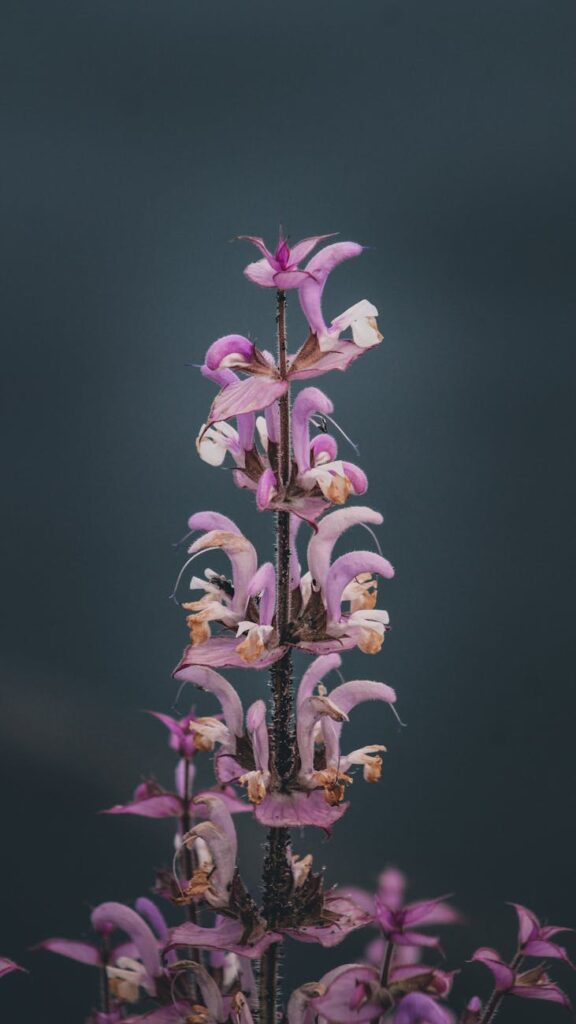
Complete Guide to Clary Sage Oil Part 13
Introduction
Clary sage oil, derived from the flowering tops and leaves of the Salvia sclarea plant, has gained recognition in the realm of essential oils and aromatherapy. This guide aims to provide a comprehensive overview of clary sage oil, exploring its characteristics, benefits, uses, and safe practices for those interested in incorporating it into their wellness routines.
What Is Clary Sage Oil?
Clary sage oil is an essential oil obtained through steam distillation of the leaves and flowering tops of the clary sage plant. This perennial herb is native to the Mediterranean region, though it is also cultivated in various parts of the world. The oil is known for its distinctively sweet, herbal aroma and pale yellow to clear color.
The chemical composition of clary sage oil includes a variety of constituents, such as linalool, linalyl acetate, and sclareol, which contribute to its unique scent and potential properties. The oil is often categorized as a middle note in aromatherapy blends, meaning it has a lasting scent that can harmonize with both lighter and heavier oils.
Key Benefits and Properties
Clary sage oil is lauded for its diverse range of benefits, primarily attributed to its chemical composition. Some of the notable properties include:
1. Antioxidant Activity
Clary sage oil possesses antioxidant properties, which may help to neutralize free radicals in the body. This can contribute to overall health and well-being.
2. Mood Enhancer
The uplifting scent of clary sage oil is often used to promote relaxation and alleviate stress. Its aroma may help to create a calming environment.
3. Hormonal Balance
While research is ongoing, clary sage oil is often associated with promoting hormonal balance, particularly among women experiencing menstrual discomfort.
4. Anti-inflammatory Effects
Some studies suggest that clary sage oil may exhibit anti-inflammatory properties, making it a popular choice in topical applications to soothe the skin.
5. Digestive Support
Clary sage oil may assist in digestive health by promoting relaxation in the digestive tract, although more research is needed in this area.
Common Uses
Clary sage oil can be utilized in a variety of ways, depending on individual preferences and needs. Some of the common applications include:
1. Aromatherapy
One of the most common uses of clary sage oil is in aromatherapy. It can be diffused in a room, added to bathwater, or inhaled directly for its soothing effects.
2. Massage
When diluted with a carrier oil, clary sage can be used in massage therapy to promote relaxation and relieve tension in the muscles.
3. Skin Care
Due to its potential anti-inflammatory properties, clary sage oil can be added to skincare formulations to help soothe and rejuvenate the skin.
4. Hair Care
Clary sage oil can be included in hair care products to promote healthy-looking hair and scalp.
5. Household Cleaners
The antibacterial properties of clary sage oil make it a suitable addition to natural cleaning products, contributing both scent and effectiveness.
Aromatherapy Applications
Clary sage oil’s unique aroma and properties make it a valuable component in various aromatherapy applications. Here are some popular ways to utilize it:
1. Diffusion
Add a few drops of clary sage oil to a diffuser along with other complementary essential oils such as lavender or bergamot. This can create a calming atmosphere, perfect for meditation or relaxation.
2. Inhalation
For a quick mood boost, place a drop of clary sage oil on a cotton ball and inhale deeply. This method is particularly useful for those seeking immediate relaxation or stress relief.
3. Bath Soak
Incorporating clary sage into bath rituals can enhance the overall experience. Mix a few drops with a carrier oil or Epsom salt before adding it to the bathwater for a soothing soak.
4. Massage Blends
When blended with a carrier oil, clary sage oil can be used for massage therapy. A common ratio is 2-3 drops of clary sage oil per tablespoon of carrier oil, such as sweet almond or jojoba oil.
5. Sleep Aid
For those struggling with sleep, create a pillow spray by mixing clary sage oil with water in a spray bottle. Lightly mist the pillow before bedtime for a calming effect.
Safety Considerations
While clary sage oil is generally considered safe for most individuals when used appropriately, there are some precautions to keep in mind:
1. Dilution
Always dilute essential oils with a carrier oil before applying them to the skin. This practice helps to prevent skin irritation.
2. Pregnancy and Nursing
Pregnant or nursing women should consult with a qualified professional before using clary sage oil, as it may have effects on hormonal balance.
3. Allergic Reactions
Conduct a patch test before using clary sage oil topically. Apply a small diluted drop to a discreet area of skin and wait 24 hours to check for any adverse reactions.
4. Drug Interactions
If you are taking medications, particularly those related to hormone regulation, consult with a healthcare provider before using clary sage oil.
5. Avoiding Overuse
As with all essential oils, moderation is key. Overuse can lead to potential sensitization or adverse reactions.
Storage and Shelf Life
Proper storage is essential to maintain the quality and efficacy of clary sage oil. Here are some tips for optimal storage:
1. Storage Conditions
Store clary sage oil in a cool, dark place to protect it from heat and light, which can degrade the oil over time. A dark glass bottle is ideal for preserving quality.
2. Shelf Life
When stored properly, clary sage oil typically has a shelf life of 3 to 4 years. However, it is advisable to check for any changes in scent or consistency before use.
3. Labeling
If you transfer clary sage oil to a different container, ensure it is clearly labeled with the name and date of purchase to track its shelf life.
Frequently Asked Questions
1. Can clary sage oil be used for cooking?
Clary sage oil is primarily intended for aromatic and topical use and is not recommended for culinary purposes, as it may not be safe for ingestion.
2. Is clary sage oil safe for children?
Clary sage oil should be used with caution around children. It is advisable to consult a qualified professional before using essential oils with children.
3. What other oils blend well with clary sage?
Clary sage oil pairs well with other essential oils such as lavender, bergamot, cedarwood, and ylang-ylang, creating harmonious blends for various applications.
4. How can I tell if my clary sage oil is pure?
To assess the purity of clary sage oil, look for a reputable brand that provides third-party testing results. Additionally, pure clary sage oil should have a consistent aroma and not contain synthetic additives.
5. Can clary sage oil help with PMS symptoms?
While many individuals report positive effects, scientific evidence is limited. It is advisable to approach essential oils as complementary to other wellness practices rather than a primary treatment.
Conclusion
Clary sage oil is a versatile essential oil with a rich history and a wide range of applications in aromatherapy and holistic wellness. By understanding its properties, benefits, and safe usage guidelines, individuals can explore the potential of clary sage oil in their personal wellness routines. As always, it is essential to approach the use of essential oils mindfully and with respect for their potency.