
Complete Guide to Clary Sage Oil Part 14
Introduction
Clary sage oil, derived from the flowering tops and leaves of the Salvia sclarea plant, has become a staple in the world of essential oils and aromatherapy. This aromatic oil, known for its distinctive scent and versatile properties, has garnered attention for both its historical significance and contemporary applications. This guide aims to provide a comprehensive overview of clary sage oil, including its origins, benefits, common uses, applications in aromatherapy, safety considerations, and storage tips.
What Is Clary Sage Oil?
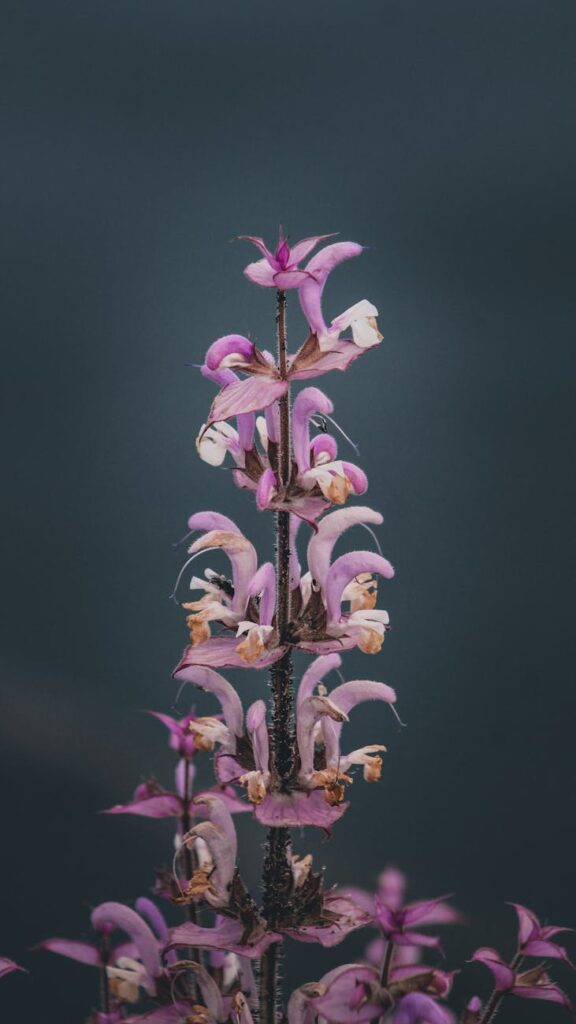
Clary sage oil is extracted through steam distillation from the flowering tops and leaves of the clary sage plant, a biennial herb native to the Mediterranean region. The plant itself is characterized by its large, soft leaves and spikes of small, pale purple flowers. Clary sage has been utilized for centuries, with its use dating back to ancient civilizations that recognized its aromatic and potential therapeutic properties.
The oil is rich in various chemical constituents, including linalyl acetate, linalool, and sclareol, which contribute to its unique fragrance and potential benefits. Clary sage oil is often described as having a sweet, herbaceous, and slightly floral scent, making it a popular choice in perfumery and aromatherapy.
Key Benefits and Properties
Clary sage oil is celebrated for its diverse range of benefits and properties. While it is essential to note that individual experiences may vary, the following are some of the key attributes often associated with this oil:
1. Mood Enhancer: Clary sage oil is believed to have uplifting properties that may help alleviate stress and promote emotional well-being.
2. Hormonal Balance: It is commonly associated with promoting hormonal balance, particularly in women, and is often used in relation to menstrual and menopausal support.
3. Antioxidant Properties: Research suggests that clary sage oil may possess antioxidant properties, which can help combat oxidative stress in the body.
4. Anti-inflammatory Effects: The oil may also have anti-inflammatory properties, making it potentially beneficial for soothing minor skin irritations.
5. Digestive Support: Clary sage oil has been traditionally used to support digestive health, though its effects may vary among individuals.
Common Uses
Clary sage oil is a versatile essential oil with numerous applications. Some of the most common uses include:
1. Aromatherapy: Its calming aroma makes it a popular choice for diffusers, helping to create a serene environment.
2. Massage: When diluted with a carrier oil, clary sage oil can be used in massage to help relieve tension and promote relaxation.
3. Skin Care: Due to its potential anti-inflammatory properties, clary sage oil is sometimes included in skincare formulations for its soothing effects on the skin.
4. Bath Products: It can be added to bath salts or oils to enhance relaxation and provide a calming bathing experience.
5. Hair Care: Clary sage oil is sometimes used in hair products for its potential to promote healthy hair and scalp.
Aromatherapy Applications
In the realm of aromatherapy, clary sage oil is often employed for its therapeutic properties and delightful fragrance. Here are some common applications:
1. Diffusion: Clary sage oil can be added to an essential oil diffuser. When diffused, it may help to create a tranquil atmosphere, making it ideal for meditation, yoga, or unwinding after a long day.
2. Inhalation: Inhaling clary sage oil directly from the bottle or from a tissue can provide immediate sensory benefits and promote relaxation.
3. Blending with Other Oils: Clary sage oil blends well with a variety of other essential oils, including lavender, bergamot, and frankincense, enhancing the overall aromatic experience.
4. Room Sprays: Combining clary sage oil with water in a spray bottle can create a natural room freshener that uplifts and calms the atmosphere.
5. Sleep Aids: Adding a few drops of clary sage oil to a cotton ball placed under a pillow may help promote restful sleep.
Safety Considerations
While clary sage oil is generally considered safe for most individuals when used appropriately, there are several safety considerations to keep in mind:
1. Dilution: Essential oils should always be diluted before applying them to the skin. A common dilution ratio is 1-2 drops of essential oil per teaspoon of carrier oil.
2. Allergic Reactions: As with any essential oil, it is advisable to perform a patch test before extensive use to check for allergic reactions or skin sensitivity.
3. Pregnancy: Clary sage oil is often recommended to be avoided during pregnancy, especially in the first trimester, due to its potential effects on hormonal balance.
4. Medical Conditions: Individuals with specific health conditions or those taking medications should consult with a healthcare professional before using clary sage oil.
5. Children and Pets: Extra caution should be exercised when using essential oils around children and pets. It is advisable to consult with a professional regarding appropriate usage in these cases.
Storage and Shelf Life
Proper storage of clary sage oil is essential to maintain its quality and therapeutic properties. Here are some tips for storage:
1. Keep it Cool and Dark: Store clary sage oil in a cool, dark place, away from direct sunlight and heat sources, to prevent degradation.
2. Use Amber or Cobalt Bottles: Essential oils are best preserved in dark glass containers that protect them from light exposure.
3. Seal Tightly: Ensure that the bottle is sealed tightly to prevent evaporation and contamination.
4. Shelf Life: When stored properly, clary sage oil can last for 3 to 5 years. However, it is advisable to check for any changes in smell, color, or consistency before use.
Frequently Asked Questions
1. Can clary sage oil help with anxiety?
While many users report that clary sage oil has calming properties, individual experiences may vary. It is often used in aromatherapy to promote relaxation.
2. Is clary sage oil safe for all skin types?
Clary sage oil should be diluted before applying to the skin. Those with sensitive skin should perform a patch test first.
3. Can I use clary sage oil during pregnancy?
Clary sage oil is generally advised to be avoided during pregnancy, particularly in the first trimester. Consult with a healthcare professional for guidance.
4. How can I incorporate clary sage oil into my skincare routine?
Clary sage oil can be diluted with a carrier oil and used in skincare routines, but it is advisable to consult with a skincare professional for personalized recommendations.
5. What are some essential oils that blend well with clary sage?
Clary sage oil blends well with lavender, bergamot, ylang-ylang, frankincense, and geranium, among others, allowing for a variety of aromatic combinations.
Conclusion
Clary sage oil is a multifaceted essential oil with a rich history and a plethora of potential benefits. From enhancing emotional well-being to supporting skin health, its uses in aromatherapy and everyday life are numerous. By understanding its properties, applications, and safety considerations, individuals can incorporate clary sage oil into their wellness routines effectively. As with any natural remedy, personal experiences may differ, and it is essential to approach clary sage oil with respect and knowledge.