
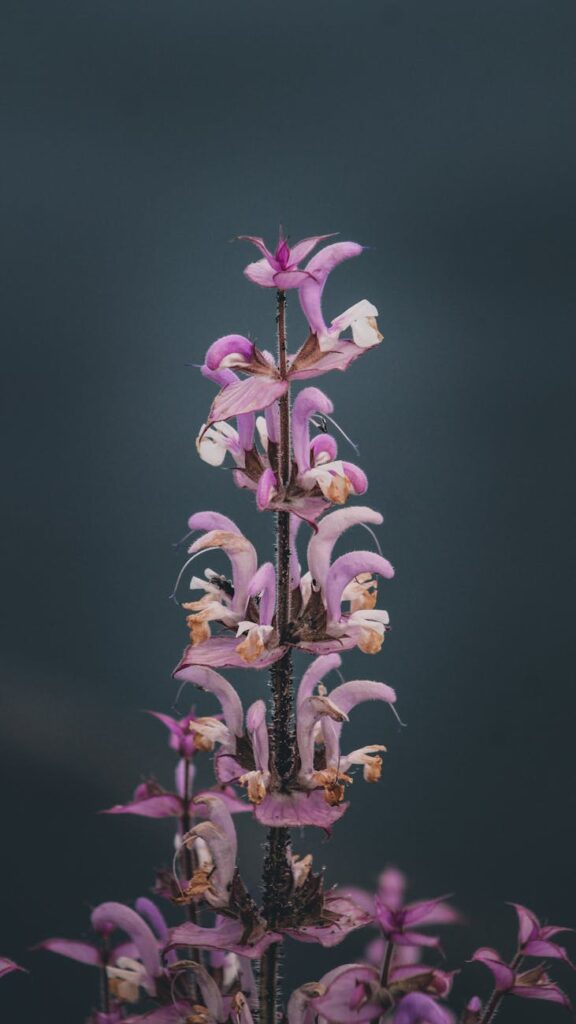
Complete Guide to Clary Sage Oil Part 16
Introduction
Clary sage oil, derived from the flowering tops and leaves of the Salvia sclarea plant, has gained popularity in the realm of aromatherapy and natural wellness. Known for its distinct earthy and slightly sweet aroma, clary sage oil is celebrated not only for its aromatic properties but also for its potential benefits in promoting emotional and physical well-being. In this guide, we will explore clary sage oil in detail, including its composition, benefits, common uses, and safety considerations.
What Is Clary Sage Oil?
Clary sage oil is an essential oil extracted from the leaves and flowers of the clary sage plant, a biennial herb that is native to the Mediterranean region. The extraction process typically involves steam distillation, which preserves the plant’s aromatic compounds. Clary sage belongs to the mint family (Lamiaceae) and is closely related to common sage (Salvia officinalis). Its distinctive scent and properties have made it a favored ingredient in perfumes, skincare products, and aromatherapy practices.
The oil is characterized by its complex chemical composition, containing constituents such as linalyl acetate, linalool, and germacrene D. These components contribute to its aromatic profile and therapeutic potential.
Key Benefits and Properties
Clary sage oil is appreciated for a variety of benefits, which include:
1. Relaxation and Stress Relief: The calming scent of clary sage oil is known to promote relaxation and help alleviate stress and anxiety, making it a popular choice in aromatherapy.
2. Hormonal Balance: Some proponents suggest that clary sage oil may support hormonal balance, particularly for women during menstruation or menopause.
3. Anti-Inflammatory Properties: Preliminary studies suggest that clary sage oil may possess anti-inflammatory properties, which could support skin health and overall well-being.
4. Antioxidant Effects: The oil is believed to contain antioxidants that may help combat oxidative stress in the body.
5. Digestive Support: Traditionally, clary sage oil has been used to assist with digestive issues, although more research is needed to fully understand its efficacy.
6. Antimicrobial Activity: Some studies have indicated that clary sage oil may have antimicrobial properties, potentially beneficial for skin applications.
Common Uses
Clary sage oil is versatile and can be used in various applications, including:
- Aromatherapy: As a diffuser oil or in personal inhalers, clary sage oil can create a calming atmosphere.
- Massage: When diluted with a carrier oil, it can be used in massage therapy to promote relaxation and alleviate muscle tension.
- Skincare: Due to its potential anti-inflammatory and antimicrobial properties, clary sage oil is often included in skincare formulations for its soothing effects.
- Hair Care: Some hair care products incorporate clary sage oil to promote scalp health and enhance hair shine.
- Culinary Uses: While not as common, clary sage can be used in cooking, particularly in savory dishes.
- Dilution: Always dilute essential oils before topical application. A typical dilution ratio is 2-3 drops of essential oil per tablespoon of carrier oil.
- Patch Test: Conduct a patch test on a small area of skin to check for any allergic reactions before widespread use.
- Pregnancy and Nursing: Pregnant or nursing individuals should consult a healthcare professional before using clary sage oil, as it may have hormonal effects.
- Medical Conditions: Individuals with specific medical conditions or those taking medications, particularly hormone-related treatments, should seek advice from a qualified professional before using clary sage oil.
- Children: Keep essential oils out of reach of children and consult a pediatrician before usage in young children.
- Storage Conditions: Store clary sage oil in a cool, dark place, away from direct sunlight and heat sources. A dark glass bottle is ideal for preserving the oil’s integrity.
- Shelf Life: Generally, essential oils can last for several years if stored correctly. However, it is a good practice to check for any changes in color, viscosity, or scent, which may indicate that the oil has degraded. Clary sage oil typically has a shelf life of 3 to 5 years.
Aromatherapy Applications
In aromatherapy, clary sage oil is commonly employed in various methods to harness its benefits:
Diffusion
Using a diffuser is one of the most popular ways to experience the aromatic properties of clary sage oil. A few drops in a diffuser can create a tranquil atmosphere, ideal for meditation or relaxation.
Inhalation
Inhalation can be achieved with personal inhalers or simply by adding a few drops of oil to a tissue or cotton ball. This method allows for immediate sensory enjoyment and stress relief.
Bathing
Adding clary sage oil to a warm bath can enhance the relaxing experience. It is advisable to dilute the oil in a carrier oil or milk to prevent skin irritation.
Massage Blends
When blended with a carrier oil, clary sage oil can be used in massage therapy. A common ratio is 2-3 drops of essential oil per tablespoon of carrier oil.
Room Sprays
Creating a room spray with clary sage oil can help to freshen indoor spaces, promoting a calming ambiance. Combine essential oil with water in a spray bottle for use.
Safety Considerations
While clary sage oil is generally regarded as safe for use, it is essential to consider the following safety precautions:
Storage and Shelf Life
Proper storage is crucial for maintaining the quality and efficacy of clary sage oil. Here are some guidelines:
Frequently Asked Questions
1. What does clary sage oil smell like?
Clary sage oil has a distinctive, earthy aroma with a slightly sweet and herbal note. Its scent is often described as calming and soothing.
2. Can clary sage oil be ingested?
While clary sage oil is primarily used for aromatic and topical applications, ingestion should be approached with caution. Always consult a knowledgeable professional before considering internal use.
3. Is clary sage oil safe for all skin types?
While clary sage oil can be beneficial for many skin types, individuals with sensitive skin should conduct a patch test first. Dilution with a carrier oil is recommended.
4. Can clary sage oil help with menstrual discomfort?
Many people use clary sage oil in aromatherapy to support hormonal balance during menstruation. However, individual experiences may vary, and it is not a substitute for medical treatment.
5. How do I choose a quality clary sage oil?
When selecting clary sage oil, look for products labeled as 100% pure essential oil, preferably organic. Check for third-party testing to ensure quality and potency.
—
In conclusion, clary sage oil is a multifaceted essential oil with a rich history and a range of potential benefits. Whether used in aromatherapy, skincare, or personal wellness practices, it offers a unique aromatic experience and may contribute to emotional and physical well-being. As with any essential oil, it is essential to use clary sage oil responsibly and with awareness of individual sensitivities and health considerations.