
Complete Guide to Clary Sage Oil Part 5
Introduction
Clary sage oil, derived from the flowering tops and leaves of the Salvia sclarea plant, has been utilized for centuries in various cultures for its aromatic, therapeutic, and culinary properties. This essential oil, known for its distinctive herbal scent, offers a wide range of benefits and applications. In this comprehensive guide, we will delve into the characteristics, benefits, and uses of clary sage oil, ensuring a well-rounded understanding for those interested in incorporating it into their lives.
What Is Clary Sage Oil?
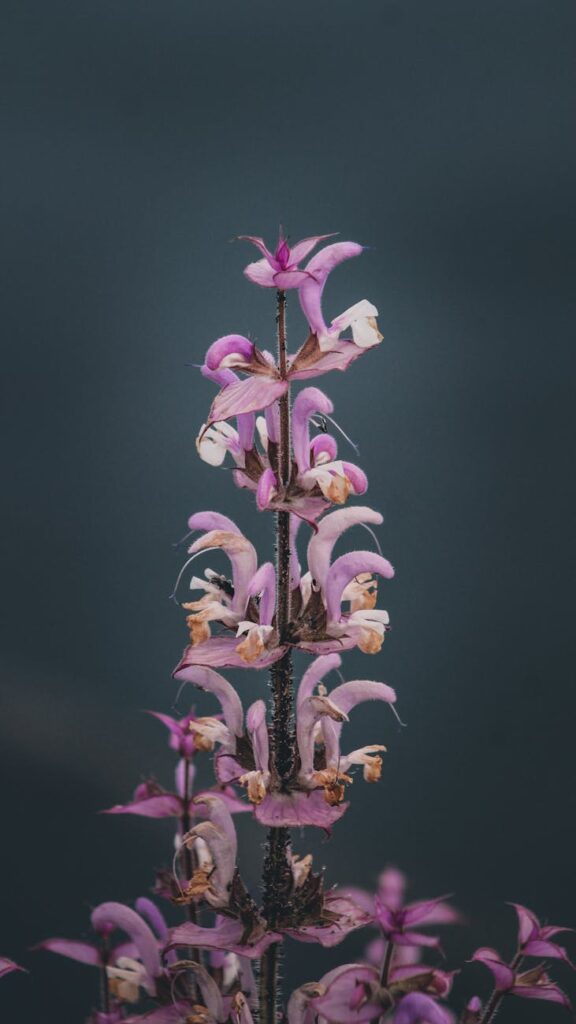
Clary sage oil is an essential oil extracted through steam distillation of the plant’s aerial parts. Native to the Mediterranean region, clary sage is a biennial herb that can grow up to three feet tall, featuring pale purple flowers and soft, velvety leaves. The oil has a warm, earthy aroma with sweet and nutty undertones, making it a popular choice in both perfumery and aromatherapy.
The chemical composition of clary sage oil primarily includes linalyl acetate, linalool, and sclareol. These constituents contribute not only to its scent but also to its therapeutic properties, making it a valuable addition to wellness practices.
Key Benefits and Properties
Clary sage oil is known for its diverse array of benefits, primarily attributed to its anti-inflammatory, antimicrobial, and calming properties. Some of the key benefits include:
1. Mood Enhancement: Clary sage oil is often used to promote relaxation and reduce stress. Its calming effects can help alleviate feelings of anxiety and improve overall mood.
2. Hormonal Balance: Traditionally, clary sage oil has been associated with women’s health, particularly during menstruation and menopause. It may help in regulating hormonal fluctuations, potentially easing symptoms such as mood swings and discomfort.
3. Digestive Support: The oil is sometimes used to aid digestion, as it can help alleviate gas and bloating. Its antispasmodic properties may also provide relief from digestive discomfort.
4. Skin Health: Clary sage oil has antimicrobial properties that can support skin health. It may help in balancing oil production and reducing the appearance of acne.
5. Pain Relief: Due to its anti-inflammatory properties, clary sage oil may be beneficial for alleviating minor aches and pains, particularly when used topically in a diluted form.
Common Uses
Clary sage oil can be employed in a variety of settings, including:
- Aromatherapy: Used in diffusers or inhalers to promote relaxation and enhance mood.
- Massage: Combined with a carrier oil for use in massage therapy to relieve tension and promote relaxation.
- Skincare: Added to creams, lotions, or oils for its potential benefits on the skin.
- Hair Care: Incorporated into shampoos or conditioners to promote scalp health.
- Culinary Uses: In some cultures, clary sage is used in cooking to flavor dishes, though care must be taken when using essential oils in foods.
Aromatherapy Applications
In aromatherapy, clary sage oil is often used for its uplifting and calming effects. Here are some common applications:
1. Diffusion: Add a few drops of clary sage oil to a diffuser to fill a room with its soothing aroma. This can create a calming atmosphere, ideal for meditation, yoga, or relaxation.
2. Inhalation: Place a few drops of clary sage oil on a tissue or in a personal inhaler and inhale deeply. This method can provide immediate relief from stress or anxiety.
3. Bathing: Add a few drops of clary sage oil to a warm bath for a relaxing and aromatic experience. This can help ease tension and promote a sense of tranquility.
4. Massage Blends: Combine clary sage oil with a carrier oil, such as sweet almond or jojoba oil, and use it for massage. This can enhance relaxation and ease muscle tension.
5. Meditation: Incorporating clary sage oil into your meditation practice can enhance focus and create a peaceful environment, supporting deeper states of mindfulness.
Safety Considerations
While clary sage oil is generally considered safe for most people when used correctly, there are some important safety considerations to keep in mind:
1. Dilution: Essential oils are highly concentrated and should be diluted with a carrier oil before topical application. A common dilution ratio is 1-2 drops of essential oil per teaspoon of carrier oil.
2. Pregnancy and Nursing: Pregnant or nursing women should consult with a qualified healthcare professional before using clary sage oil, as it may have effects on hormonal balance.
3. Allergic Reactions: Always perform a patch test before using a new essential oil, especially if you have sensitive skin or a history of allergies.
4. Medical Conditions: Individuals with certain medical conditions or those taking specific medications should consult a healthcare professional prior to using clary sage oil.
5. Children: Clary sage oil should be used with caution around children, and it’s advisable to consult a healthcare provider for guidance.
Storage and Shelf Life
To maintain the quality of clary sage oil and extend its shelf life, proper storage is essential. Here are some tips for storing your essential oil:
1. Cool, Dark Place: Store clary sage oil in a cool, dark location, away from direct sunlight and heat sources. Exposure to light and heat can degrade the oil’s quality over time.
2. Tightly Sealed: Ensure that the bottle is tightly sealed to prevent oxidation and evaporation. Essential oils can lose their potency when exposed to air.
3. Glass Containers: It is best to keep essential oils in dark glass bottles, which help protect the oil from light and maintain its integrity. Avoid plastic containers, as they can react with the oil.
4. Shelf Life: When stored correctly, clary sage oil can last for up to three to five years. However, it’s advisable to check for any changes in aroma or appearance before use.
Frequently Asked Questions
1. Can clary sage oil be used for cooking?
While clary sage is used in some culinary applications, it is important to use essential oils with caution in food. Always consult a professional before consuming essential oils.
2. Is clary sage oil safe for children?
Clary sage oil should be used with caution around children. It is advisable to consult a healthcare professional for guidance on appropriate usage.
3. Can clary sage oil be used during pregnancy?
Pregnant women should consult a qualified healthcare provider before using clary sage oil, as it may affect hormonal balance.
4. How can I incorporate clary sage oil into my skincare routine?
Clary sage oil can be added to creams, lotions, or carrier oils for topical application. Always ensure it is diluted properly before application.
5. What is the best way to use clary sage oil for stress relief?
Diffusing clary sage oil, inhaling it directly from a tissue, or adding it to a warm bath are effective methods for promoting relaxation and relieving stress.
Conclusion
Clary sage oil is a versatile essential oil with a rich history of use in aromatherapy, skincare, and wellness practices. Its calming aroma and therapeutic properties make it a valuable addition to any essential oil collection. By understanding its benefits, uses, and safety considerations, individuals can effectively incorporate clary sage oil into their daily routines, enhancing their overall well-being and fostering a sense of tranquility.