
Complete Guide to Clary Sage Oil Part 6
Introduction
Clary sage oil, derived from the flowering tops and leaves of the Salvia sclarea plant, has been cherished for its aromatic and therapeutic properties for centuries. This guide aims to provide a comprehensive overview of clary sage oil, covering its origins, benefits, applications, safety considerations, and more. Whether you are a seasoned practitioner of aromatherapy or a curious newcomer, this resource will enhance your understanding of this versatile essential oil.
What Is Clary Sage Oil?
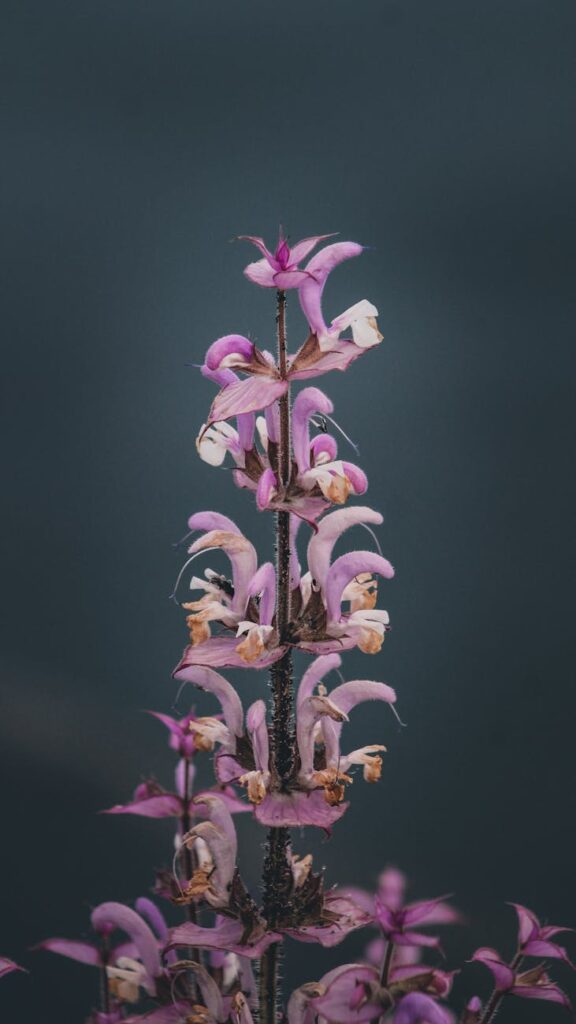
Clary sage oil is an essential oil obtained through steam distillation of the flowering tops and leaves of the clary sage plant, native to the Mediterranean region. The plant is characterized by its tall flowering stalks and soft, fuzzy leaves. Clary sage has been utilized since ancient times, not only for its aromatic qualities but also for its potential therapeutic uses. The oil has a rich, herbaceous, and slightly sweet scent, making it a popular choice in perfumery and aromatherapy.
Key Benefits and Properties
Clary sage oil is renowned for its diverse range of benefits, which can be attributed to its unique chemical composition. Key constituents include linalyl acetate, linalool, and sclareol, each contributing to its properties. Some of the notable benefits include:
1. Mood Enhancement: Clary sage oil is often associated with relaxation and stress relief. Its calming properties can help in reducing anxiety and promoting a sense of well-being.
2. Hormonal Balance: Traditionally, clary sage oil has been used to support hormonal balance, particularly in women. It may assist in alleviating symptoms associated with menstrual cycles and menopause.
3. Antimicrobial Effects: Research suggests that clary sage oil possesses antimicrobial properties, which may help in warding off certain bacteria and fungi.
4. Anti-Inflammatory Properties: The oil may exhibit anti-inflammatory effects, making it a potential aid in soothing irritated skin and reducing inflammation in various conditions.
5. Digestive Support: Clary sage oil is believed to support digestive health by helping to relieve gas, bloating, and discomfort.
Common Uses
Clary sage oil is utilized in various ways due to its versatile nature:
- Aromatherapy: It is frequently used in diffusers, inhalers, and personal blends to create a calming atmosphere.
- Topical Applications: Often diluted with a carrier oil, clary sage oil can be applied to the skin for its soothing and anti-inflammatory properties.
- Bath Additive: Adding a few drops of clary sage oil to bath water can enhance relaxation and create an aromatic experience.
- Hair Care: This oil is sometimes included in hair care formulations for its potential benefits in promoting scalp health and enhancing hair shine.
- Household Products: Due to its antimicrobial properties, clary sage oil can be incorporated into homemade cleaning products.
- Container: Store clary sage oil in a dark glass bottle to protect it from light, which can degrade the oil over time.
- Temperature: Keep the oil in a cool, dry place, away from direct sunlight and heat sources.
- Shelf Life: When stored correctly, clary sage oil can last for approximately 3-4 years. Always check for changes in scent or consistency before use, as these may indicate that the oil has gone rancid.
Aromatherapy Applications
In aromatherapy, clary sage oil is valued for its ability to promote emotional balance and relaxation. It is frequently used in essential oil blends designed for stress relief, meditation, and sleep enhancement. Here are a few common applications:
1. Stress Relief Blend: Combine clary sage oil with lavender and bergamot for a calming blend that can be diffused in your living space or used in a personal inhaler.
2. Menstrual Support: A blend of clary sage, geranium, and chamomile can be massaged onto the lower abdomen to promote comfort during menstrual cycles.
3. Sleep Aid: Mixing clary sage oil with cedarwood and vetiver can create a soothing nighttime blend, ideal for use in a diffuser before bedtime.
4. Meditation Practice: Incorporating clary sage oil into meditation rituals can enhance focus and tranquility, making it a valuable addition to personal practices.
Safety Considerations
While clary sage oil is generally considered safe for most individuals when used correctly, there are important safety considerations to keep in mind:
1. Dilution: Always dilute essential oils with a carrier oil before applying them to the skin to prevent irritation. A common dilution ratio is 2-3 drops of essential oil per teaspoon of carrier oil.
2. Pregnancy and Nursing: Pregnant or nursing individuals should consult with a healthcare professional before using clary sage oil, as it may stimulate menstruation or affect hormonal balance.
3. Allergic Reactions: Conduct a patch test before using clary sage oil topically to check for possible allergic reactions. Apply a small diluted amount to a discreet area of skin and wait 24 hours to observe any adverse reactions.
4. Avoid Ingestion: Clary sage oil should not be ingested unless under the guidance of a qualified healthcare professional, as it may cause adverse effects when consumed.
5. Photosensitivity: Although clary sage oil is less likely to cause photosensitivity compared to citrus oils, it is still advisable to avoid sun exposure on areas where the oil has been applied.
Storage and Shelf Life
Proper storage of clary sage oil is essential to maintain its potency and extend its shelf life. Here are some guidelines:
Frequently Asked Questions
1. What is the best way to use clary sage oil in a diffuser?
Add 3-5 drops of clary sage oil to your diffuser, along with water as per the manufacturer’s instructions. You can blend it with other calming oils like lavender for an enhanced effect.
2. Can clary sage oil be used for skin conditions?
Clary sage oil may be beneficial for certain skin issues when diluted with a carrier oil. However, it is essential to consult with a qualified practitioner before using it for specific skin conditions.
3. Is clary sage oil safe for children?
Clary sage oil is generally not recommended for children under the age of two. For older children, consult with a healthcare professional before use.
4. Can I use clary sage oil during pregnancy?
Clary sage oil is best avoided during pregnancy and nursing unless specifically advised by a healthcare professional due to its potential hormonal effects.
5. How can I incorporate clary sage oil into my skincare routine?
Dilute clary sage oil with a carrier oil and use it as part of your skincare regimen. It may be added to homemade lotions or creams for additional benefits.
Conclusion
Clary sage oil is a remarkable essential oil with a rich history and a wide array of applications. Its calming scent, combined with its potential benefits for emotional and physical well-being, makes it a valuable addition to any aromatherapy collection. By understanding its properties, uses, and safety considerations, individuals can harness the power of clary sage oil to enhance their overall wellness. Always remember to approach essential oils with respect and care, ensuring that you use them safely and effectively.