
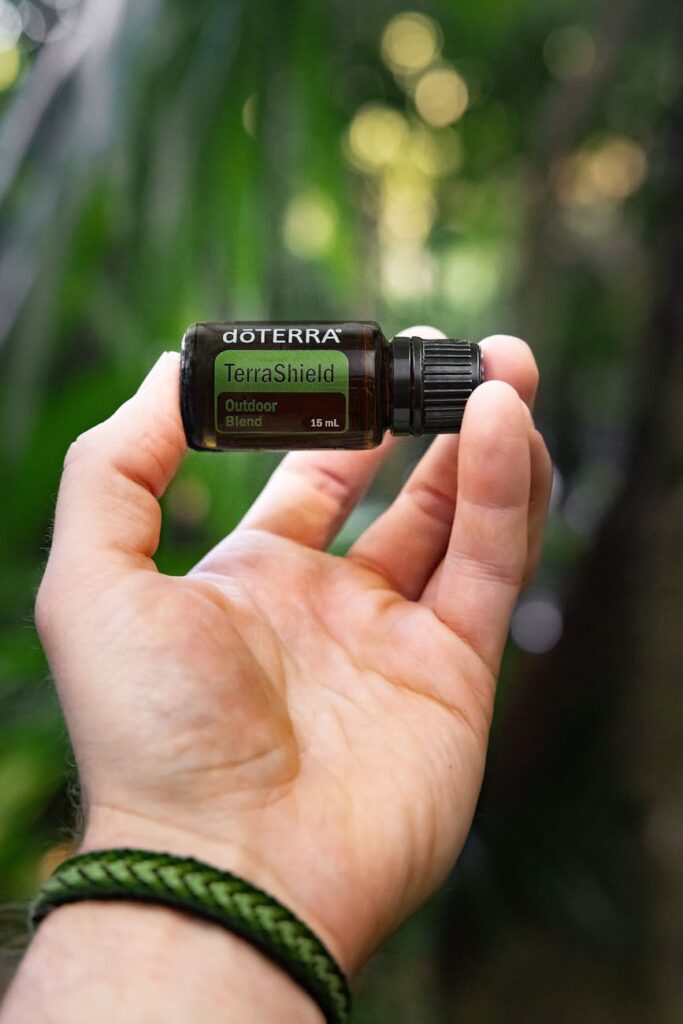
Complete Guide to Cleansing Blends
Introduction
Cleansing blends have gained significant popularity in the realm of aromatherapy and natural wellness. These blends, typically composed of various essential oils, are revered for their ability to purify and refresh spaces, uplift moods, and promote emotional balance. This guide aims to provide a comprehensive overview of cleansing blends, including their definitions, benefits, common uses, and safety considerations.
What Is Cleansing Blends?
Cleansing blends refer to combinations of essential oils specifically formulated to cleanse, purify, and refresh an environment or individual. These blends often include oils known for their purifying properties, such as lemon, eucalyptus, tea tree, and lavender. The intention behind these blends is to create a harmonious atmosphere, ward off negative energies, and promote a sense of clarity and well-being.
Cleansing blends can be used in various forms, including diffusions, sprays, and topical applications, making them versatile tools in the practice of aromatherapy. The specific oils chosen for a cleansing blend can vary based on personal preferences and desired effects.
Key Benefits and Properties
The benefits of cleansing blends extend beyond mere fragrance. Each essential oil contributes unique properties:
1. Purification: Many oils, such as lemon and tea tree, possess antimicrobial properties that help cleanse the air and surfaces.
2. Mood Enhancement: Oils like peppermint and sweet orange can uplift the mood and promote a sense of joy and vitality.
3. Emotional Balance: Scents such as frankincense and lavender are known for their calming effects, helping to reduce stress and anxiety.
4. Energizing Effects: Citrus oils, including grapefruit and lime, can invigorate the senses and boost energy levels.
5. Enhanced Focus: Certain oils, such as rosemary, are believed to promote mental clarity and concentration.
By combining various essential oils, cleansing blends harness these properties to create a holistic approach to emotional and environmental cleansing.
Common Uses
Cleansing blends can be employed in various contexts, each serving a unique purpose:
1. Home Environment:
- Air Purification: Diffusing cleansing blends can help purify the air, especially in spaces that may feel stagnant or heavy.
- Surface Cleaning: Some blends can be diluted in water for use as natural cleaning agents.
- Topical Application: When appropriately diluted, cleansing blends can be used in massages or as part of skincare routines.
- Bath Additives: Adding cleansing blends to bath water can create a soothing and revitalizing experience.
- Enhancing Focus: Using cleansing blends during meditation can help clear the mind and set a calming atmosphere.
- Spring Cleaning: Many people incorporate cleansing blends into their spring cleaning routines to refresh their homes after winter.
- Using a diffuser, cleansing blends can be dispersed into the air, providing both aromatic enjoyment and environmental purification. Generally, a few drops of the blend are combined with water in the diffuser.
- A simple DIY room spray can be made by combining cleansing oils with water and a solubilizer, such as witch hazel or vodka. This spray can be used to refresh any space.
- When applying cleansing blends to the skin, it’s essential to dilute them in a carrier oil, such as jojoba or sweet almond oil, to avoid potential skin sensitivities.
- Incorporating cleansing blends into bath soaks can provide a relaxing experience. One can mix essential oils with Epsom salts before adding them to the bath.
- Inhaling cleansing blends directly from the bottle or from a cotton ball can provide immediate effects, making it a useful technique for moments of stress.
2. Personal Use:
3. Meditation and Mindfulness:
4. Seasonal Refreshing:
Aromatherapy Applications
Aromatherapy is the practice of using essential oils to promote physical and emotional well-being. Cleansing blends can be integrated into various aromatherapy applications:
1. Diffusion:
2. Room Sprays:
3. Topical Application:
4. Bath Soaks:
5. Inhalation:
Safety Considerations
While essential oils are natural, they can still pose risks if not used properly. Here are some essential safety considerations when using cleansing blends:
1. Dilution: Essential oils should always be diluted before topical application to minimize the risk of skin irritation. A general guideline is to use a 1-2% dilution (1-2 drops of essential oil per teaspoon of carrier oil).
2. Skin Sensitivities: Conduct a patch test before using a new oil or blend on the skin. Apply a small amount diluted on the inner forearm and observe for any adverse reactions over 24 hours.
3. Pregnancy and Nursing: Pregnant or nursing individuals should consult with a qualified professional before using essential oils.
4. Children and Pets: Certain essential oils are not safe for use around young children or pets. Research specific oils to determine their safety.
5. Phototoxicity: Some citrus oils can cause skin irritation when exposed to sunlight. Avoid direct sunlight on areas where these oils have been applied for at least 12 hours.
Storage and Shelf Life
Proper storage of essential oils and cleansing blends is crucial for maintaining their potency and efficacy:
1. Containers: Store essential oils in dark glass bottles to protect them from light, which can degrade the oils.
2. Temperature: Keep oils in a cool, dry place away from direct sunlight and heat.
3. Shelf Life: The shelf life of essential oils varies; typically, citrus oils have a shorter lifespan (1-2 years), while oils like sandalwood and patchouli can last longer (up to 5-10 years). Always check for any changes in scent or appearance before use.
Frequently Asked Questions
1. Can I create my own cleansing blend?
Yes, creating your own cleansing blend can be a rewarding experience. Start with a few essential oils known for their purifying properties and experiment with proportions to find a scent that resonates with you.
2. What essential oils are best for cleansing blends?
Common essential oils for cleansing blends include lemon, eucalyptus, tea tree, lavender, peppermint, and frankincense. Each oil brings its unique properties, so consider your desired effects when choosing.
3. How often can I use cleansing blends?
Cleansing blends can be used daily, depending on personal preference and the specific application. Always monitor your body’s response and adjust usage as needed.
4. Are there any contraindications for using cleansing blends?
Yes, individuals with specific health conditions, pregnant or nursing women, and young children should exercise caution and consult a qualified professional before using essential oils.
5. Can I use cleansing blends in a diffuser during sleep?
While many people find it beneficial to use cleansing blends in a diffuser during sleep, it is important to choose oils that are calming and not overly stimulating. Avoid using citrus oils at night, as they may energize rather than relax.
Conclusion
Cleansing blends offer a multitude of benefits for both emotional well-being and environmental purification. Understanding their properties, applications, and safety considerations can enhance your experience with aromatherapy. As you explore the possibilities of cleansing blends, remember to prioritize quality, safety, and personal preference in your journey toward a more harmonious atmosphere.