
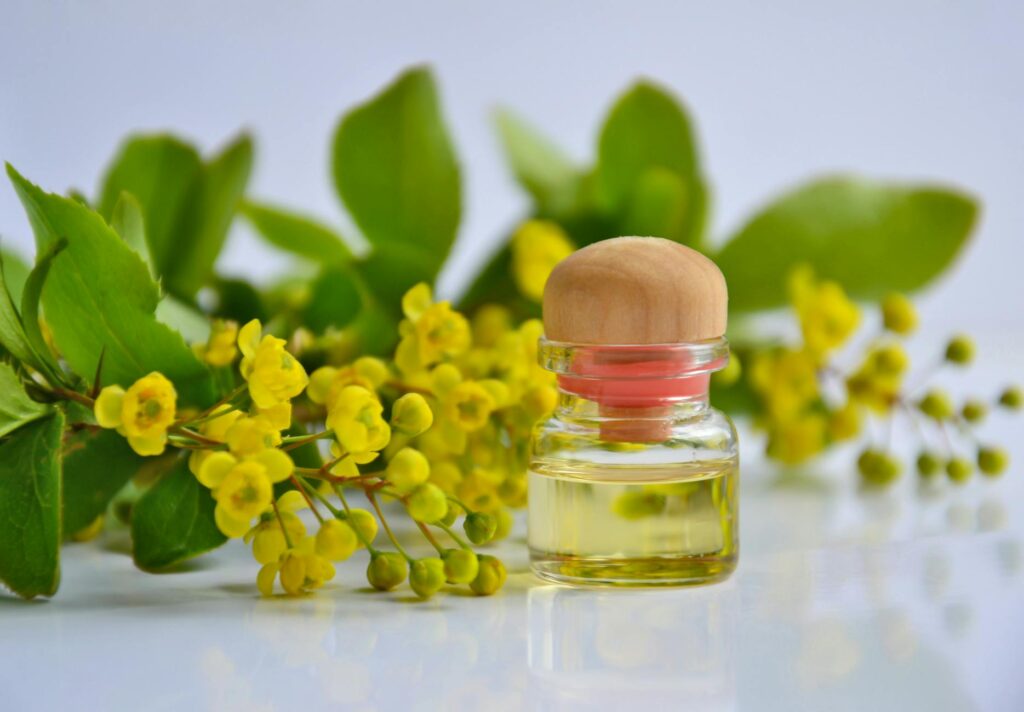
Complete Guide to Cleansing Floral Essential Oil Blends
Introduction
Essential oils have gained significant popularity in recent years for their aromatic and therapeutic properties. Among the diverse categories of essential oils, floral blends stand out for their unique cleansing and uplifting characteristics. This guide will explore what cleansing floral essential oil blends are, their key benefits, common uses, and safety considerations, providing a comprehensive overview for enthusiasts and practitioners alike.
What Is Cleansing Floral Essential Oil Blends?
Cleansing floral essential oil blends are formulations that combine various floral essential oils known for their purifying and refreshing qualities. These blends typically feature oils derived from flowers such as lavender, geranium, chamomile, and ylang-ylang, among others. The primary purpose of these blends is to cleanse the atmosphere, uplift the spirit, and promote emotional well-being.
Floral essential oils are extracted from the blossoms of plants, capturing their essence and aromatic properties. When combined, these oils create synergistic effects that enhance their individual benefits, making them particularly effective for cleansing purposes.
Key Benefits and Properties
Cleansing floral essential oil blends offer a myriad of benefits, both physical and emotional. Below are some key properties associated with these oils:
1. Purifying Effects: Many floral oils have antibacterial and antifungal properties, making them effective in purifying the air and surfaces.
2. Mood Enhancement: Floral scents are often uplifting and can help alleviate stress, anxiety, and depression. They promote a sense of calm and well-being.
3. Emotional Balance: Floral oils can aid in emotional regulation, providing comfort during periods of emotional turmoil.
4. Skin Benefits: Certain floral oils possess properties that can benefit the skin, including hydration and soothing effects, making them popular in skincare formulations.
5. Spiritual Cleansing: In various cultures, floral essential oils are used in rituals and practices to cleanse spaces and promote spiritual clarity.
Common Uses
Cleansing floral essential oil blends can be used in a variety of settings and applications. Some common uses include:
1. Diffusion: Using a diffuser with cleansing floral blends can purify the air and elevate mood in living spaces, yoga studios, or offices.
2. Topical Application: When diluted with a carrier oil, these blends can be applied to pulse points or added to bathwater for a relaxing soak.
3. Household Cleaning: Incorporating these oils into cleaning products can enhance their effectiveness and impart a pleasant fragrance.
4. Personal Care Products: Many individuals add cleansing floral essential oil blends to homemade lotions, balms, or face mists for added benefits.
5. Meditation and Relaxation: The calming properties of floral scents make them ideal for use during meditation or relaxation practices.
Aromatherapy Applications
Aromatherapy utilizes the aromatic properties of essential oils to influence physical and emotional health. Here are some specific applications of cleansing floral essential oil blends in aromatherapy:
1. Stress Relief: Blends containing lavender and chamomile can be diffused during stressful situations to promote relaxation.
2. Mood Booster: Geranium and ylang-ylang are often used to uplift spirits, making them ideal for use during periods of low energy or sadness.
3. Sleep Aid: A combination of lavender and bergamot can create a calming atmosphere conducive to restful sleep.
4. Meditative State: Using a blend of sandalwood and rose can deepen meditation practices and enhance spiritual experiences.
5. Facilitating Focus: Oils like rosemary and geranium can help clear the mind, making them suitable for enhancing concentration during study or work.
Safety Considerations
While cleansing floral essential oil blends offer numerous benefits, it is essential to approach their use with caution:
1. Dilution: Always dilute essential oils with a carrier oil before applying them to the skin to prevent irritation. A common dilution ratio is 2-3% for topical applications.
2. Patch Test: Conduct a patch test on a small area of skin to check for allergies or sensitivities before widespread use.
3. Pregnancy and Nursing: Some essential oils may not be safe for pregnant or nursing women. It is advisable to consult a healthcare professional before use.
4. Children and Pets: Certain essential oils can be toxic to children and pets. Ensure that oils are kept out of reach and consult guidelines specific to their safety.
5. Quality of Oils: Always use high-quality, pure essential oils from reputable sources. Synthetic fragrances or poorly sourced oils may not provide the desired benefits and could pose risks.
Storage and Shelf Life
Proper storage of essential oils is critical for maintaining their potency and effectiveness. Here are some guidelines:
1. Cool, Dark Place: Store essential oils in a cool, dark place away from direct sunlight and heat. This helps to preserve their properties.
2. Glass Containers: Use dark glass bottles, such as amber or cobalt, to protect oils from light degradation. Avoid plastic containers, as they can react with the oils.
3. Shelf Life: While essential oils can last for several years, their shelf life varies depending on the type. Citrus oils tend to have a shorter lifespan (1-2 years), while oils like sandalwood and patchouli can last many years.
4. Check for Changes: Regularly check for changes in color, aroma, or viscosity, as these can indicate that the oil has degraded.
Frequently Asked Questions
1. Can I create my own cleansing floral essential oil blend?
Yes, you can create your own blend by combining different floral essential oils that resonate with your preferences. Start with a base oil and add a few drops of each chosen essential oil, adjusting the ratios to achieve the desired aroma.
2. How do I use cleansing floral essential oils in a diffuser?
To use oils in a diffuser, add water to the designated fill line and then add 5-10 drops of your chosen cleansing floral blend. Turn on the diffuser and enjoy the aromatic benefits throughout your space.
3. Are there any contraindications for using floral essential oils?
Certain essential oils may interact with medications or have contraindications for specific health conditions. Always consult a healthcare professional if you have concerns regarding their use.
4. Can I use cleansing floral essential oils for aromatherapy during pregnancy?
Some essential oils are safe for use during pregnancy, while others are not. It is crucial to consult a healthcare provider for recommendations tailored to your specific circumstances.
5. What are some popular cleansing floral essential oil blends?
Popular blends often include lavender and lemon for relaxation and purification, geranium and ylang-ylang for mood enhancement, or chamomile and bergamot for sleep support.
Conclusion
Cleansing floral essential oil blends offer a wonderful way to enhance emotional well-being and purify your environment. With a variety of applications in aromatherapy and personal care, these blends serve as valuable tools in promoting a harmonious atmosphere. By understanding their properties, benefits, and safety considerations, you can integrate these essential oils into your daily life to enjoy their full potential. Always remember to choose high-quality oils and practice safe usage to maximize your experience with these enchanting botanical treasures.