
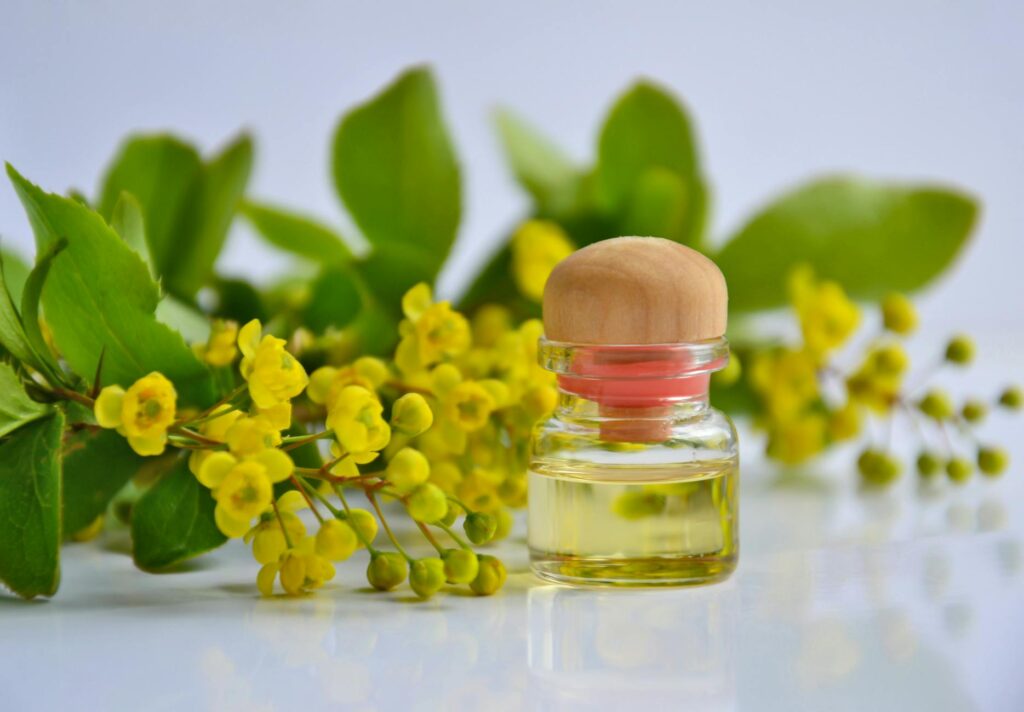
Complete Guide to Cleansing Herbal Essential Oil Blends
Introduction
Aromatherapy, an ancient practice that dates back thousands of years, utilizes the aromatic properties of essential oils derived from plants for various purposes. Among the myriad of uses for essential oils, cleansing blends play a crucial role in promoting emotional well-being, purifying environments, and supporting personal rituals. This guide aims to provide a thorough understanding of cleansing herbal essential oil blends, their benefits, applications, and safe practices.
What Is Cleansing Herbal Essential Oil Blends?
Cleansing herbal essential oil blends are combinations of essential oils that are specifically formulated to purify, refresh, and uplift the environment and the individual. These blends typically include oils derived from herbs and plants known for their cleansing properties, such as rosemary, sage, eucalyptus, lavender, and tea tree. The aromatic compounds in these oils not only contribute to pleasant fragrances but also possess various properties that can enhance the cleansing experience.
Characteristics of Cleansing Blends
- Purifying Properties: Many herbs have natural antibacterial, antiviral, or antifungal qualities that can help cleanse the air and surfaces.
- Refreshing Aroma: These blends often have invigorating scents that can uplift mood and promote clarity.
- Holistic Benefits: Besides physical cleansing, these blends can also support emotional and mental clarity, contributing to an overall sense of well-being.
- Dark Glass Containers: Store essential oils in dark glass bottles to protect them from light, which can degrade their quality.
- Cool Environment: Keep oils in a cool, dry place, away from heat sources and direct sunlight.
Key Benefits and Properties
Cleansing herbal essential oil blends offer several benefits, which can be categorized into physical, emotional, and environmental properties.
Physical Benefits
1. Antimicrobial Action: Essential oils such as tea tree and eucalyptus are known for their antimicrobial properties, making them effective in purifying spaces and surfaces.
2. Air Purification: Many cleansing oils can help eliminate odors and freshen the air, contributing to a healthier indoor environment.
Emotional Benefits
1. Stress Reduction: Aromatic components in these oils can help reduce feelings of stress and anxiety, promoting relaxation.
2. Mood Enhancement: Uplifting scents can enhance mood and foster a sense of clarity and focus.
Environmental Benefits
1. Atmospheric Cleansing: Using cleansing blends in a space can create an atmosphere that feels fresh and revitalized, often referred to as “cleansing the energy” of a room.
2. Natural Air Fresheners: These blends serve as an alternative to synthetic air fresheners, providing a more natural way to eliminate odors.
Common Uses
Cleansing herbal essential oil blends can be utilized in various ways, each serving distinct purposes:
Diffusion
Using a diffuser is one of the most common ways to enjoy the benefits of cleansing blends. The oils are dispersed into the air, allowing their aromatic compounds to circulate throughout the space.
Topical Application
When diluted with a carrier oil, cleansing blends can be applied to the skin. This method can support personal cleansing rituals, such as during meditation or yoga practices.
Household Cleaning
Incorporating essential oils into cleaning products can enhance their effectiveness. Cleansing blends can be added to homemade sprays and surface cleaners for an extra boost of purification.
Bath Additive
Adding a few drops of cleansing essential oils to bathwater can create a soothing and refreshing experience, promoting relaxation and emotional cleansing.
Aromatherapy Applications
The application of cleansing herbal essential oil blends in aromatherapy can take various forms, each tailored to individual needs and preferences. Here are some popular methods:
Inhalation
Simply inhaling the aroma of cleansing oils can provide immediate benefits. This can be done by adding a few drops to a tissue or cotton ball and inhaling deeply.
Massage
When blended with a carrier oil, these essential oils can be used in massage therapy, promoting relaxation and enhancing the cleansing experience.
Room Sprays
Creating a room spray with cleansing blends can help refresh and purify indoor spaces. Combine the oils with distilled water and a small amount of alcohol in a spray bottle for effective use.
Bathing Rituals
Incorporating cleansing essential oils into bathing rituals can enhance the overall experience. This can be achieved by adding a few drops to bath salts or oils, creating a soothing atmosphere.
Safety Considerations
While essential oils are generally safe when used appropriately, there are essential safety considerations to keep in mind:
Dilution
Always dilute essential oils with a carrier oil before applying them to the skin to prevent irritation. A typical dilution ratio is 2-3 drops of essential oil per tablespoon of carrier oil.
Skin Sensitivity
Perform a patch test before using new essential oils topically. Apply a small amount of the diluted oil to a small area of skin and observe for any adverse reactions.
Pregnancy and Nursing
Pregnant or nursing individuals should consult a healthcare professional before using essential oils, as some oils may not be safe during these periods.
Pets
Certain essential oils can be harmful to pets. It is important to research and ensure that the chosen oils are safe for household animals.
Storage and Shelf Life
Proper storage of essential oils is crucial for maintaining their potency and effectiveness.
Storage Guidelines
Shelf Life
Most essential oils have a shelf life of 1 to 3 years, depending on the type of oil. Citrus oils may have a shorter shelf life due to their more volatile nature, while oils like patchouli can age beautifully over time. Always check for changes in aroma, color, or consistency before use.
Frequently Asked Questions
1. Can I create my own cleansing blends?
Yes, you can create your own cleansing herbal essential oil blends by combining different essential oils known for their cleansing properties. Experiment with ratios to find a blend that resonates with you.
2. How do I know which oils to include in my blend?
Research the properties of various essential oils to understand their benefits. Popular choices for cleansing blends include tea tree, eucalyptus, rosemary, sage, and lavender.
3. Can cleansing oils be used in a humidifier?
It is generally not recommended to use essential oils in standard humidifiers, as they may damage the unit. Instead, use a diffuser designed for essential oils.
4. How often can I use cleansing blends?
Cleansing herbal essential oil blends can be used as often as needed, but it’s important to monitor your body’s response and adjust usage accordingly.
5. Are there any essential oils I should avoid?
Certain essential oils, such as cinnamon and clove, can be irritating to the skin and should be used with caution. Always research specific oils for their safety and compatibility with your needs.
Conclusion
Cleansing herbal essential oil blends offer a rich tapestry of benefits, from purifying environments to enhancing emotional well-being. By understanding the properties, applications, and safety considerations associated with these blends, individuals can harness their power for holistic cleansing rituals. Whether diffusing in a living space, incorporating into cleaning routines, or using in personal self-care, cleansing essential oils can be a valuable addition to a wellness practice.