
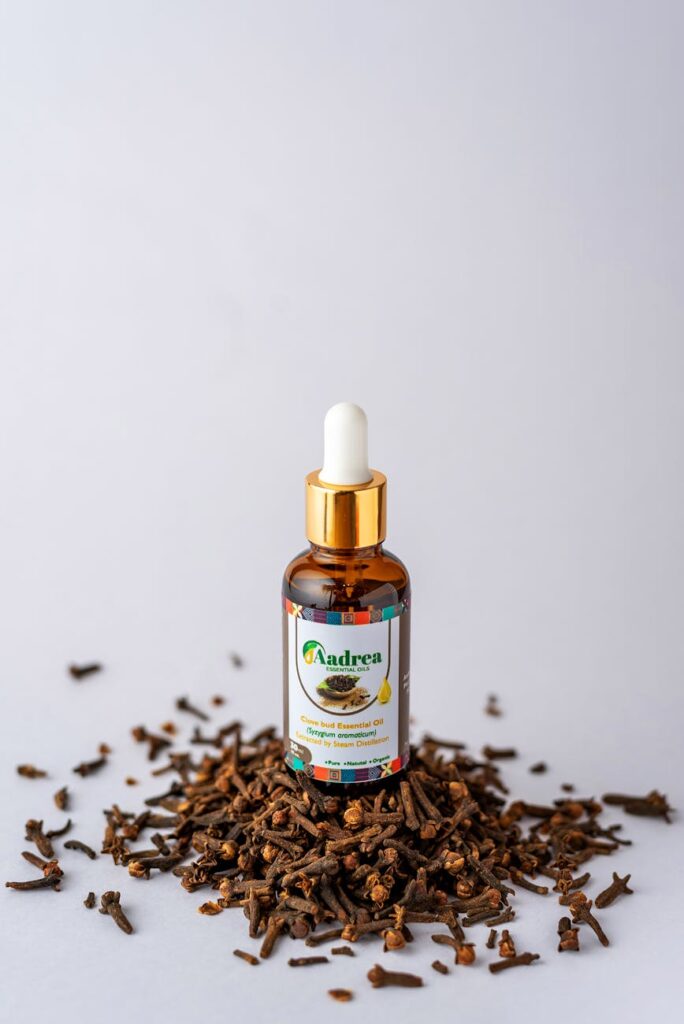
Complete Guide to Clove Extract
Introduction
Clove extract, derived from the dried flower buds of the Syzygium aromaticum tree, has been utilized for centuries in various cultures for its aromatic and therapeutic properties. This essential oil is widely recognized for its distinctive warm and spicy scent, making it a popular choice in both culinary and herbal applications. This guide will explore the characteristics, benefits, uses, and safety considerations associated with clove extract.
What Is Clove Extract?
Clove extract is a concentrated form of the essential oil obtained from the flower buds of the clove tree, which is native to the Maluku Islands in Indonesia. The extraction process typically involves steam distillation or solvent extraction, resulting in a potent oil rich in eugenol, a compound responsible for most of clove’s notable properties. The extract can vary in potency and quality depending on the extraction method and the source of the cloves.
Clove oil is typically a yellow to brown liquid with a warm, spicy aroma that can be both invigorating and soothing. It is often diluted with carrier oils for topical applications or used in aromatherapy practices.
Key Benefits and Properties
Clove extract is celebrated for its numerous benefits and properties, which include:
1. Antioxidant Properties
Clove extract is rich in antioxidants, which help combat oxidative stress in the body. Antioxidants play a crucial role in neutralizing free radicals, thus promoting overall health.
2. Anti-inflammatory Effects
The eugenol found in clove oil is known for its anti-inflammatory properties. This can be beneficial in reducing inflammation and providing relief from discomfort.
3. Antimicrobial Activity
Clove extract has demonstrated antimicrobial effects, making it effective against a variety of bacteria and fungi. This property makes it a valuable ingredient in natural cleaning products and personal care items.
4. Analgesic Qualities
Clove oil is often used for its pain-relieving properties, particularly in dental care, where it can alleviate toothaches and oral discomfort.
5. Digestive Support
Traditionally, clove extract has been used to support digestive health, helping to alleviate issues such as bloating and gas.
Common Uses
Clove extract is versatile and can be employed in various applications, including:
1. Culinary Uses
Clove extract is commonly used as a flavoring agent in cooking and baking. Its warm, spicy flavor enhances both sweet and savory dishes, including desserts, marinades, and spiced beverages.
2. Personal Care Products
Due to its aromatic and antimicrobial properties, clove extract is frequently found in oral hygiene products, perfumes, soaps, and lotions.
3. Natural Remedies
Clove extract is often incorporated into herbal remedies, teas, and tinctures, where it is valued for its potential health benefits.
4. Household Cleaning
Clove extract’s antimicrobial properties make it an effective ingredient in natural cleaning solutions, providing a pleasant scent while disinfecting surfaces.
Aromatherapy Applications
In the realm of aromatherapy, clove extract is used to promote emotional well-being and create a calming atmosphere. Some common applications include:
1. Diffusion
Adding a few drops of clove essential oil to a diffuser can create a warm and inviting environment. It can also help to purify the air and enhance focus.
2. Massage
When diluted with a carrier oil, clove extract can be used in massage blends. Its warming properties may provide relief for sore muscles and promote relaxation.
3. Bathing
Incorporating clove extract into bath products can create a soothing and aromatic experience. A few drops can be added to bath oils or salts for a calming soak.
4. Inhalation
For a quick mood boost, inhaling clove extract can invigorate the senses and promote alertness.
Safety Considerations
While clove extract is generally regarded as safe when used appropriately, some precautions should be taken:
1. Skin Sensitivity
Clove oil is potent and may cause skin irritation in some individuals, particularly when used at full strength. It is advisable to conduct a patch test before applying it topically.
2. Dilution
Always dilute clove extract with a carrier oil before topical application. A typical dilution ratio is 1-2 drops of essential oil per teaspoon of carrier oil.
3. Pregnant and Nursing Women
Pregnant and nursing women should consult with a healthcare professional before using clove extract, as certain essential oils may not be recommended during these periods.
4. Allergies
Individuals with allergies to cloves or other members of the Myrtaceae family should avoid clove extract.
5. Interaction with Medications
Clove extract may interact with certain medications, particularly blood thinners. It is advisable to consult a healthcare professional before using clove extract if you are on medication.
Storage and Shelf Life
To maintain the quality of clove extract, proper storage is essential:
1. Storage Conditions
Store clove extract in a cool, dark place away from direct sunlight to prevent degradation. An airtight container is ideal to minimize exposure to air and moisture.
2. Shelf Life
When stored correctly, clove extract can have a shelf life of 1-3 years. However, its potency may diminish over time, so it is advisable to check for any changes in aroma or appearance before use.
Frequently Asked Questions
1. Can clove extract be ingested?
While clove extract is used in culinary applications, it is advisable to use it in moderation. Always consult a healthcare professional before ingesting essential oils.
2. Is clove extract safe for children?
Clove extract should be used with caution around children. It is best to consult a healthcare professional before using it in any form for children.
3. How can I use clove extract for aromatherapy?
Clove extract can be used in a diffuser, added to bath products, or diluted with carrier oils for topical applications. Always follow guidelines for dilution and usage.
4. Where can I purchase clove extract?
Clove extract can be found in health food stores, specialty herbal shops, and online retailers that specialize in essential oils and natural products.
5. What should I do if I experience an allergic reaction?
If you suspect an allergic reaction to clove extract, discontinue use immediately and consult a healthcare professional for guidance.
Conclusion
Clove extract is a remarkable substance with a rich history of use in culinary, personal care, and therapeutic applications. Its unique properties and versatility make it a valuable addition to any herbal or aromatherapy collection. By understanding its benefits, uses, and safety considerations, individuals can safely incorporate clove extract into their lives for enhanced well-being and enjoyment.