
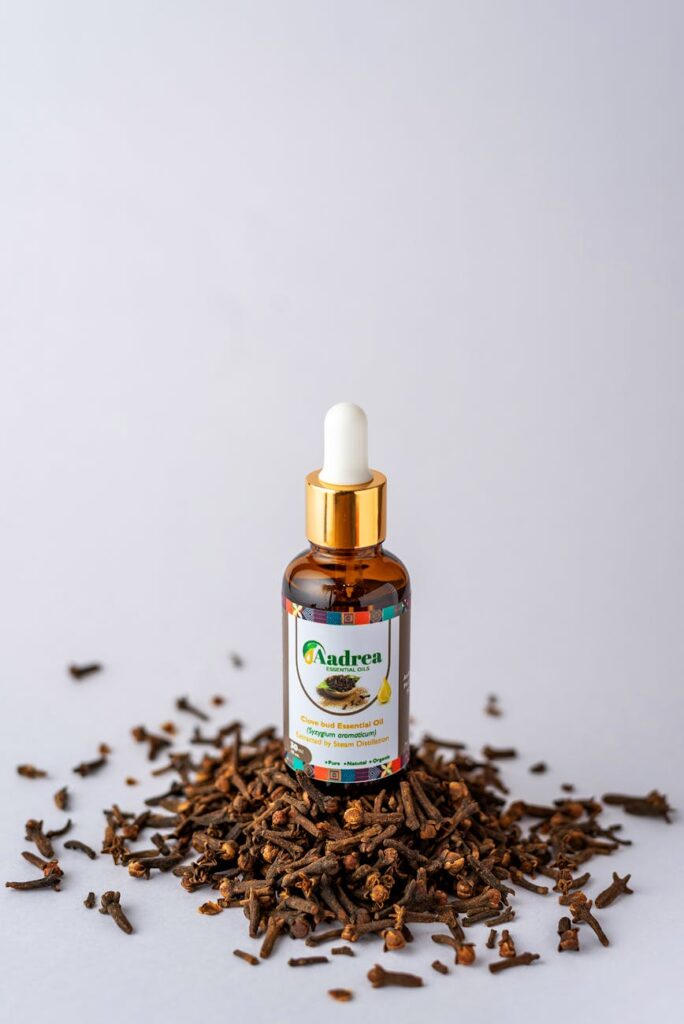
Complete Guide to CO2 Extracted Oils
Introduction
Essential oils have gained significant popularity in recent years, not only for their aromatic properties but also for their potential benefits in wellness and holistic practices. Among the various extraction methods available, CO2 extraction has emerged as a preferred technique for obtaining high-quality essential oils. This guide will explore CO2 extracted oils, detailing their properties, uses, and the advantages they offer compared to oils extracted through more traditional methods.
What Is CO2 Extracted Oils?
CO2 extracted oils are derived using carbon dioxide (CO2) as a solvent in a specialized extraction process. This method involves using CO2 in a supercritical state, where it possesses both gas and liquid properties, to extract essential oils from plant materials. The process is conducted in a controlled environment under specific temperature and pressure conditions, allowing for the selective extraction of aromatic compounds.
The CO2 extraction process can be divided into two main phases:
1. Supercritical Extraction: In this phase, CO2 is maintained at high pressure and temperature, transitioning it into a supercritical state. In this state, CO2 can penetrate plant materials, dissolving essential oils and other valuable compounds.
2. Post-Extraction Separation: Once the extraction is complete, the pressure is reduced, allowing the CO2 to evaporate. This leaves behind the extracted oil without any residual solvents, ensuring purity and vibrancy of the fragrance.
This method is known for producing high-quality, concentrated oils that retain a more comprehensive profile of the plant’s constituents compared to oils obtained through steam distillation or cold pressing.
Key Benefits and Properties
CO2 extracted oils boast several advantages that make them appealing to both consumers and manufacturers:
- Purity: The CO2 extraction process does not leave behind harmful solvents, ensuring that the final product is clean and free from contaminants.
- Full Spectrum Profile: CO2 extraction captures a broader range of phytonutrients, including terpenes, flavonoids, and other aromatic compounds that contribute to the oil’s overall scent and properties.
- Enhanced Potency: The concentrated nature of CO2 extracted oils often leads to more potent aromas and beneficial characteristics, making them particularly appealing for aromatherapy and cosmetic applications.
- Versatility: These oils can be used in a variety of settings, from perfumery to food flavoring, owing to their high purity and complex aromas.
- Aromatherapy: Due to their potent and complex scents, CO2 extracted oils are favored in aromatherapy practices for their potential to enhance mood and create a calming ambiance.
- Cosmetics and Skincare: Many cosmetic brands incorporate CO2 extracted oils into their products, leveraging their rich profiles to provide nourishing benefits to the skin and enhance fragrance.
- Food and Beverage: The food industry also utilizes CO2 extracted oils as natural flavoring agents, offering intense flavors without the need for synthetic additives.
- Perfumery: The depth and complexity of CO2 extracted oils make them ideal for creating unique and sophisticated fragrances in high-end perfumes.
- Lavender: Known for its calming and relaxing properties, CO2 extracted lavender oil can be used in diffusers or blended into massage oils.
- Peppermint: With its invigorating scent, CO2 extracted peppermint oil is often employed to promote alertness and clarity.
- Citrus Oils: CO2 extracted citrus oils, like lemon and sweet orange, are celebrated for their uplifting aromas that can enhance mood and promote positivity.
- Rose: The rich and complex scent of CO2 extracted rose oil makes it a favored choice in both perfumery and skin care.
- Dilution: Most essential oils, including CO2 extracted oils, should be diluted with a carrier oil before applying to the skin to avoid irritation.
- Patch Test: It is advisable to perform a patch test before using a new essential oil to ensure there are no adverse reactions.
- Quality: Always source CO2 extracted oils from reputable suppliers to ensure the purity and quality of the product.
- Sensitivity: Individuals with certain sensitivities or allergies should consult with a professional before using essential oils.
- Container: Store oils in dark glass bottles to prevent light exposure, which can degrade the oil over time.
- Temperature: Keep oils in a cool, dry place away from direct sunlight and heat sources, as temperature fluctuations can affect their integrity.
- Shelf Life: The shelf life of CO2 extracted oils varies based on the specific oil and storage conditions. Generally, most oils can last from 1 to 3 years if stored correctly. It is advisable to check for any changes in aroma or appearance before use.
Common Uses
CO2 extracted oils are utilized in various industries and applications:
Aromatherapy Applications
In aromatherapy, CO2 extracted oils are used for their aromatic and potential emotional benefits. Some popular oils extracted using this method include:
To utilize these oils in aromatherapy, they can be diffused into the air, added to baths, or blended with carrier oils for topical application.
Safety Considerations
While CO2 extracted oils are generally regarded as safe, it is essential to keep the following considerations in mind:
Storage and Shelf Life
Proper storage of CO2 extracted oils is crucial to maintain their quality and longevity. Here are some guidelines:
Frequently Asked Questions
1. How do CO2 extracted oils compare to steam-distilled oils?
CO2 extracted oils typically offer a broader spectrum of aromatic compounds and are often considered more potent than steam-distilled oils. The CO2 extraction method preserves more of the plant’s natural constituents, leading to richer and more complex aromas.
2. Are CO2 extracted oils safe for children and pets?
While many CO2 extracted oils are safe for use around children and pets, it is crucial to research specific oils and consult with a knowledgeable professional. Some essential oils may not be suitable for certain age groups or animals.
3. Can CO2 extracted oils be ingested?
Not all essential oils are safe for ingestion. If you are considering using CO2 extracted oils for culinary purposes, ensure that the oils are specifically labeled as food-grade and suitable for consumption.
4. Can I use CO2 extracted oils in my homemade products?
Yes, CO2 extracted oils can be used in various DIY projects, including skincare formulations, candles, and household cleaners. Ensure you follow recommended dilution guidelines and safety practices.
5. How can I identify high-quality CO2 extracted oils?
Look for oils that are sourced from reputable suppliers, feature clear labeling, and provide information about the extraction process. High-quality oils should also be free from synthetic additives and fillers.
Conclusion
CO2 extracted oils represent a sophisticated method of obtaining essential oils that maximizes the purity and complexity of plant compounds. With their versatile applications across aromatherapy, cosmetics, food, and perfumery, they offer valuable benefits to users seeking high-quality natural products. By understanding their properties and uses, individuals can make informed choices about incorporating CO2 extracted oils into their daily lives, enhancing their experiences with nature’s aromatic treasures.