
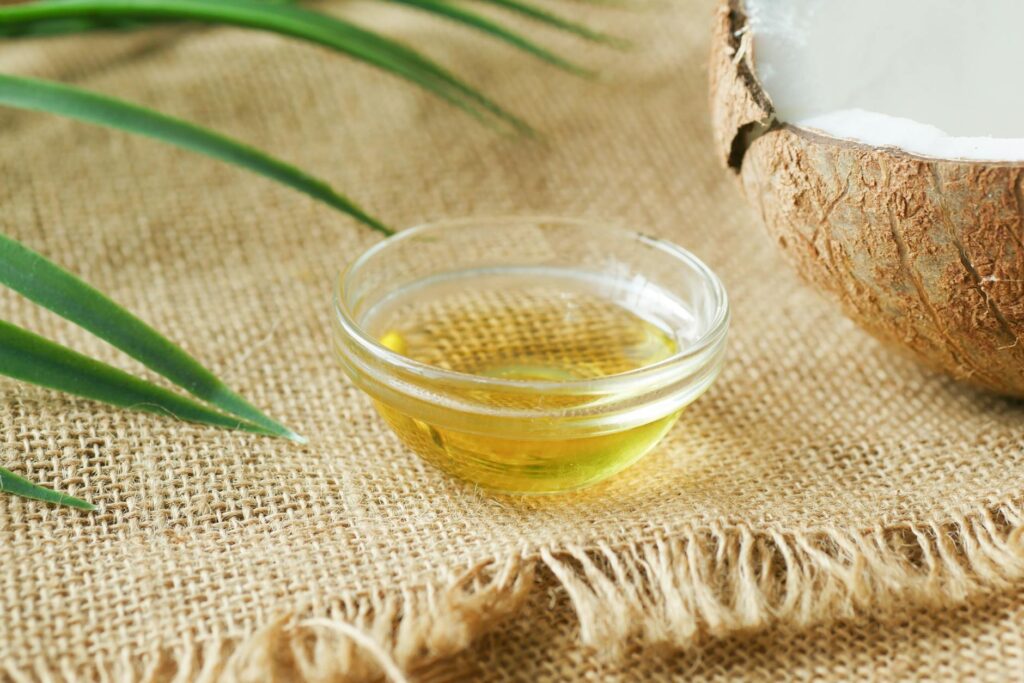
Complete Guide to Coconut Fractionated Oil
Introduction
Coconut fractionated oil, often referred to simply as fractionated coconut oil, is a versatile carrier oil derived from coconuts. Unlike regular coconut oil, which is solid at room temperature, fractionated coconut oil remains liquid and has a variety of applications in skincare, aromatherapy, and even cooking. This guide will explore the properties, benefits, and various uses of coconut fractionated oil, along with important safety considerations.
What Is Coconut Fractionated Oil?
Fractionated coconut oil is produced by a process called fractionation, which separates the long-chain fatty acids from the medium-chain triglycerides (MCTs) in the coconut oil. The end result is a clear, odorless oil that is lightweight and non-greasy. This process also increases the oil’s shelf life, making it a popular choice for cosmetic and therapeutic applications.
Composition
The composition of coconut fractionated oil is primarily made up of medium-chain fatty acids, particularly capric and caprylic acids. These fatty acids provide unique properties that contribute to the oil’s effectiveness in various applications.
Difference from Regular Coconut Oil
Regular coconut oil is solid at room temperature due to its high content of long-chain fatty acids. In contrast, fractionated coconut oil remains in a liquid state, making it easier to work with in formulations. Additionally, fractionated coconut oil is lighter and absorbs more readily into the skin compared to its unrefined counterpart.
Key Benefits and Properties
Coconut fractionated oil boasts several characteristics that make it advantageous for various uses:
1. Moisturizing Properties
This oil is an excellent moisturizer due to its ability to penetrate the skin without leaving a greasy residue. It helps to keep the skin hydrated, making it a popular ingredient in lotions and creams.
2. Non-Comedogenic
Fractionated coconut oil is non-comedogenic, meaning it does not clog pores. This property makes it suitable for all skin types, including oily and acne-prone skin.
3. Antimicrobial Effects
Some studies suggest that fractionated coconut oil has mild antimicrobial properties, which can help protect the skin from certain bacteria and fungi.
4. Lightweight Texture
The lightweight nature of fractionated coconut oil makes it an ideal carrier oil for essential oils in aromatherapy applications. It allows for easy application without feeling heavy on the skin.
5. Enhanced Shelf Life
The fractionation process removes the long-chain fatty acids that can lead to rancidity, resulting in a product with a longer shelf life compared to regular coconut oil.
Common Uses
Coconut fractionated oil is utilized in a wide array of applications, including:
1. Skincare Products
- Lotions and Creams: Often used as a base for moisturizing products.
- Sunscreen: Can be blended with other ingredients to create natural sunscreens.
- Makeup Remover: Effectively dissolves makeup without harsh chemicals.
- Conditioners: Used in hair oils and conditioners to nourish and hydrate hair.
- Scalp Treatments: Can help soothe and moisturize the scalp.
- Dark Glass Bottles: Protects the oil from light exposure.
- Plastic Bottles: Suitable for short-term storage but less ideal for long-term preservation.
2. Haircare
3. Massage Oil
The smooth texture of fractionated coconut oil makes it an excellent choice for massage therapy. It allows for easy glide over the skin and can be mixed with essential oils for enhanced benefits.
4. Cooking
While not as common as regular coconut oil in culinary uses, fractionated coconut oil can be used in cooking due to its high smoke point and neutral flavor.
Aromatherapy Applications
In aromatherapy, coconut fractionated oil serves as an effective carrier oil for diluting essential oils. This allows for safe topical application and enhances the absorption of the essential oils into the skin.
Blending with Essential Oils
When blending essential oils with fractionated coconut oil, it is important to maintain appropriate dilution ratios. A general guideline is to use 1-2 drops of essential oil per teaspoon of fractionated coconut oil for topical applications.
Diffusion
While fractionated coconut oil is not typically used in diffusers, it can be applied topically for localized scent benefits or blended into homemade rollerball mixes for on-the-go aromatherapy.
Safety Considerations
Although coconut fractionated oil is generally considered safe for most individuals, there are a few safety considerations to keep in mind:
1. Allergies
Some individuals may have allergies to coconut products. It is advisable to conduct a patch test before using it widely on the skin.
2. Essential Oil Dilution
When using coconut fractionated oil as a carrier for essential oils, proper dilution is crucial to avoid skin irritation. Always follow the recommended dilution guidelines based on the specific essential oil.
3. Storage
Proper storage is essential to maintain the integrity of the oil. Keep it in a cool, dark place to prevent degradation.
Storage and Shelf Life
Coconut fractionated oil has an extended shelf life, typically lasting up to two years when stored properly. To maximize its longevity, it should be kept in a tightly sealed container away from direct sunlight and heat sources.
Container Options
Frequently Asked Questions
1. Can fractionated coconut oil be used for cooking?
While it can be used in cooking, it is less common than regular coconut oil. It has a high smoke point, making it suitable for sautéing and frying, but its neutral flavor may not lend itself to all culinary applications.
2. Is fractionated coconut oil suitable for oily skin?
Yes, its non-comedogenic properties make it suitable for oily and acne-prone skin. It hydrates without clogging pores.
3. How do I know if I am allergic to coconut oil?
If you have a history of allergies to coconut or related products, conduct a patch test by applying a small amount of the oil to a discreet area of skin and observe for any adverse reactions.
4. Can fractionated coconut oil be mixed with essential oils?
Yes, it is commonly used as a carrier oil for diluting essential oils, enhancing their absorption and ensuring safe topical application.
5. What is the difference between fractionated coconut oil and regular coconut oil?
The primary difference lies in their composition and consistency. Fractionated coconut oil remains liquid and is rich in medium-chain triglycerides, while regular coconut oil is solid at room temperature and contains a higher proportion of long-chain fatty acids.
Conclusion
Coconut fractionated oil is a versatile and beneficial oil with a wide range of applications, particularly in skincare and aromatherapy. Its lightweight, non-greasy texture, along with its moisturizing properties, makes it a popular choice for both commercial products and DIY formulations. Understanding its benefits, uses, and safety considerations can help individuals make informed decisions about incorporating this oil into their daily routines.