
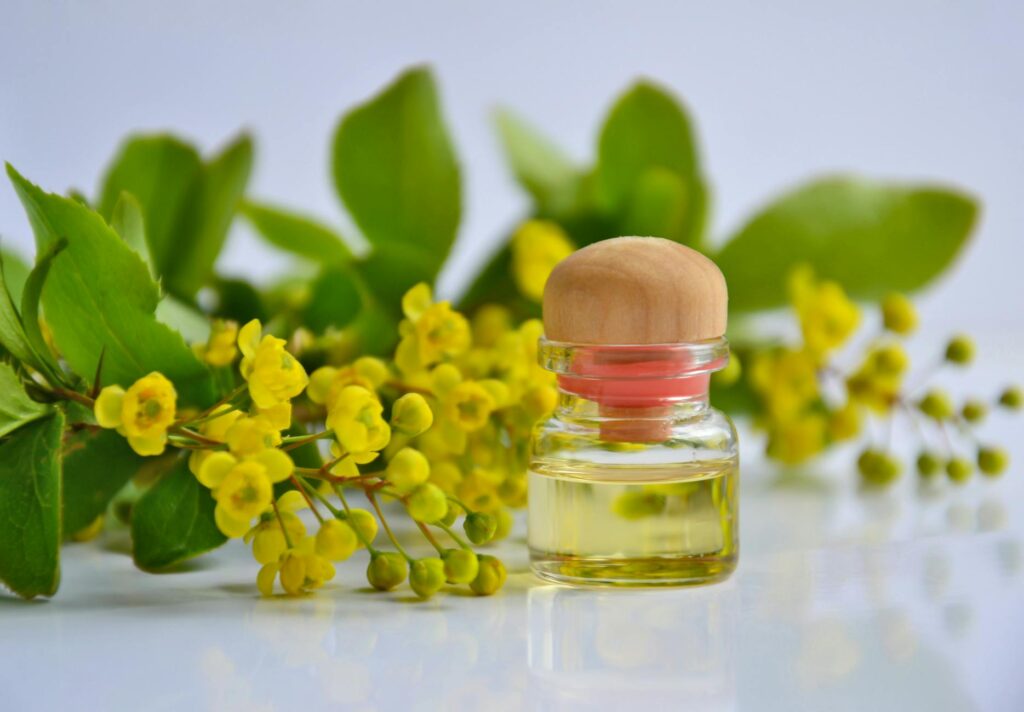
Complete Guide to Coconut Oil Part 3
Introduction
Coconut oil, derived from the fruit of the coconut palm (Cocos nucifera), has garnered considerable attention for its versatility and numerous applications. This guide serves to deepen your understanding of coconut oil, exploring its properties, benefits, and uses, particularly in the realms of aromatherapy and natural wellness. As we continue to uncover the various facets of this remarkable oil, we aim to provide a comprehensive resource for enthusiasts and practitioners alike.
What Is Coconut Oil?
Coconut oil is a saturated fat extracted from the flesh of mature coconuts. It is available in two primary forms: refined and unrefined (also known as virgin). Unrefined coconut oil is extracted through cold-pressing the fresh coconut meat, retaining its natural aroma and flavor. Refined coconut oil, on the other hand, undergoes processing that often includes bleaching and deodorizing, resulting in a more neutral scent and taste.
Coconut oil is composed predominantly of medium-chain triglycerides (MCTs), particularly lauric acid, which constitutes about 47% of its fatty acid profile. These unique fatty acids contribute to its stability and health-related properties, making coconut oil a popular choice for culinary, cosmetic, and therapeutic applications.
Key Benefits and Properties
Nutritional Profile
Coconut oil is rich in calories and provides a quick source of energy. It contains a unique blend of fatty acids, including:
- Lauric Acid: Known for its antimicrobial properties.
- Capric Acid and Caprylic Acid: These acids are known for their potential antifungal and antibacterial effects.
- Vitamin E: An antioxidant that helps protect the skin and promote overall health.
- Cooking Oil: Its high smoke point makes it suitable for frying and sautéing.
- Baking: Coconut oil can replace butter or other oils in baking recipes, imparting a subtle coconut flavor.
- Smoothies: Adding coconut oil to smoothies can enhance their nutritional profile and provide healthy fats.
- Moisturizer: Suitable for all skin types, coconut oil is often used as a natural moisturizer.
- Makeup Remover: It effectively dissolves makeup, making it a gentle cleansing option.
- Hair Treatment: Used as a pre-wash treatment, coconut oil can help reduce protein loss in hair.
- Natural Lubricant: Coconut oil can be used for various household applications, including lubricating squeaky hinges.
- Furniture Polish: When mixed with vinegar, it can be used to polish and protect wooden surfaces.
- Lavender: Known for its calming properties, lavender essential oil can be blended with coconut oil for a soothing massage oil.
- Peppermint: The cooling sensation of peppermint can be enhanced by mixing it with coconut oil, providing relief to sore muscles.
- Tea Tree: Due to its antimicrobial properties, tea tree oil is often combined with coconut oil for skin applications.
- Allergic Reactions: Some individuals may experience allergic reactions to coconut oil. It is advisable to perform a patch test before widespread application on the skin.
- Comedogenicity: Coconut oil is classified as comedogenic, meaning it may clog pores, particularly for those with oily or acne-prone skin.
- Dietary Moderation: Due to its high saturated fat content, moderation is key when incorporating coconut oil into the diet.
- Temperature: Store coconut oil in a cool, dark place away from direct sunlight. It can solidify in colder temperatures and liquefy in warmer conditions, which does not affect its quality.
- Container: Use an airtight glass or plastic container to prevent oxidation and contamination.
- Avoid Moisture: Ensure that the container remains dry to prevent the growth of bacteria or mold.
Antimicrobial Properties
Coconut oil has been studied for its antimicrobial effects, particularly due to its lauric acid content. This fatty acid can form monolaurin in the body, which has been shown to have antiviral, antibacterial, and antifungal properties.
Skin and Hair Benefits
Coconut oil is widely recognized for its moisturizing properties. Its ability to penetrate the hair shaft makes it an effective conditioner, while its emollient properties provide hydration and protection to the skin. It can help alleviate symptoms of dryness and irritation, making it a popular choice in skincare formulations.
Weight Management
Some studies suggest that the medium-chain triglycerides in coconut oil may promote satiety and enhance metabolic rates, potentially aiding in weight management. However, further research is needed to fully understand these effects.
Common Uses
Coconut oil is celebrated for its versatility and can be employed in various domains:
Culinary Uses
Cosmetic Uses
Household Uses
Aromatherapy Applications
While coconut oil is not an essential oil, it is frequently used as a carrier oil in aromatherapy. Its light texture and ability to blend well with essential oils make it an excellent choice for diluting and applying aromatic blends.
Blending with Essential Oils
When using coconut oil as a carrier, it is advisable to dilute essential oils appropriately to ensure safe application. Common essential oils that pair well with coconut oil include:
Diffusion
While coconut oil is not typically used in diffusers, it can be included in homemade room sprays or personal inhalers for a pleasant aroma.
Safety Considerations
Although coconut oil is generally considered safe for most individuals, there are a few considerations to keep in mind:
Storage and Shelf Life
Coconut oil has a relatively long shelf life, typically lasting up to two years when stored properly. To maximize its longevity, consider the following storage tips:
Frequently Asked Questions
1. Can coconut oil be used for cooking?
Yes, coconut oil is commonly used for cooking due to its high smoke point and unique flavor. It can be used for frying, baking, and sautéing.
2. Is coconut oil suitable for all skin types?
While coconut oil can be beneficial for many skin types, individuals with oily or acne-prone skin should use it with caution due to its comedogenic properties.
3. How do I incorporate coconut oil into my skincare routine?
Coconut oil can be used as a moisturizer, makeup remover, or hair conditioner. It can be applied directly to the skin or blended with essential oils for added benefits.
4. Can coconut oil help with weight loss?
Some studies suggest that the medium-chain triglycerides in coconut oil may aid in weight management, but further research is needed to establish definitive conclusions.
5. How should I store coconut oil?
Store coconut oil in a cool, dark place in an airtight container to maximize its shelf life and prevent oxidation.
Conclusion
Coconut oil is a multifaceted oil that has found its way into various aspects of daily life, from culinary applications to skincare and aromatherapy. Understanding its properties, benefits, and safe usage can empower you to incorporate this versatile oil into your routine effectively. As with all natural products, individual experiences may vary, and it is essential to choose the right applications that suit your lifestyle and needs.