
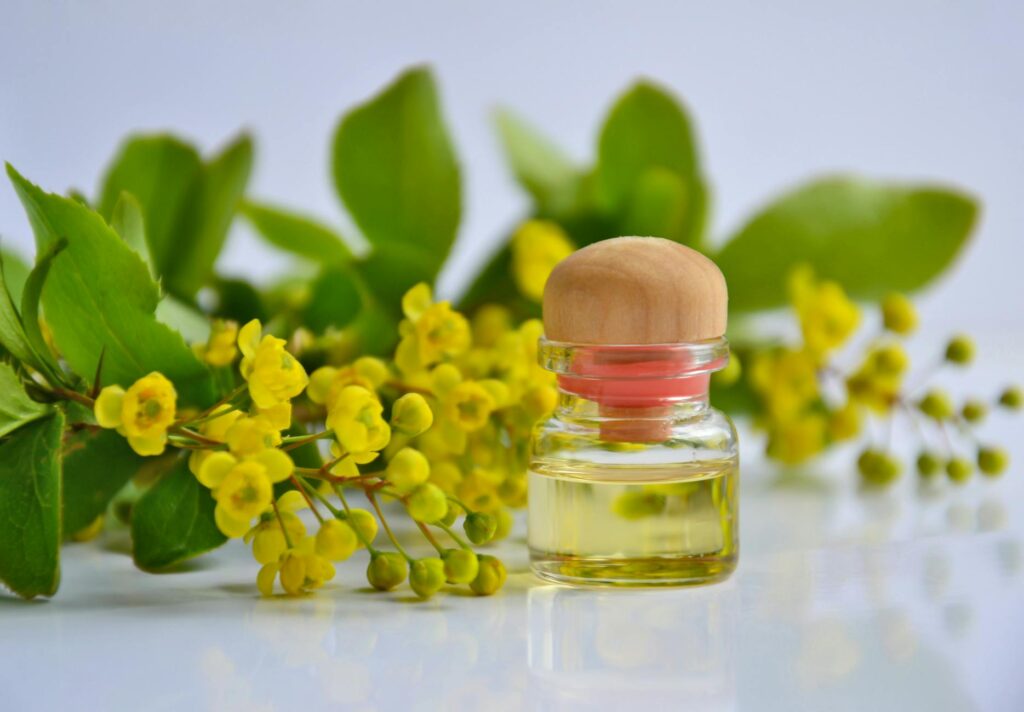
Complete Guide to Coconut Oil Part 4
Introduction
Coconut oil has gained significant popularity in recent years, not only as a dietary staple but also as a versatile ingredient in cosmetics, skincare, and aromatherapy. This guide aims to provide a comprehensive overview of coconut oil, its benefits, applications, and safety considerations. Whether you are a novice exploring the world of essential oils and aromatherapy or an experienced practitioner, this guide serves as an invaluable resource.
What Is Coconut Oil?
Coconut oil is a natural oil extracted from the meat of mature coconuts (Cocos nucifera). It is predominantly composed of saturated fats, particularly medium-chain fatty acids (MCFAs), which are believed to offer numerous health benefits. Coconut oil can be extracted through various methods, including cold-pressing and refining. The two primary types of coconut oil are:
1. Virgin Coconut Oil: This oil is extracted from fresh coconut meat without the use of heat or chemicals. It retains the natural aroma and flavor of coconuts and is often preferred for culinary and cosmetic uses.
2. Refined Coconut Oil: Refined coconut oil is processed to remove impurities, resulting in a neutral flavor and aroma. It is often used in cooking and industrial applications due to its high smoke point.
Key Benefits and Properties
Coconut oil is celebrated for its unique composition and potential benefits. Key properties include:
- Moisturizing: Coconut oil is an excellent emollient that can help retain moisture in the skin and hair.
- Antimicrobial: The presence of lauric acid, a type of MCFA, gives coconut oil its antimicrobial properties, making it useful for maintaining skin health.
- Anti-inflammatory: Coconut oil may aid in reducing inflammation, making it beneficial for soothing irritated skin.
- Nutrient-Rich: It contains vitamins E and K, along with essential fatty acids that can nourish the skin and hair.
- Cooking and Baking: Its high smoke point makes it suitable for frying, sautéing, and baking.
- Substitute for Butter: Coconut oil can be used as a dairy-free alternative to butter in various recipes.
- Smoothies and Beverages: It can be added to smoothies for a creamy texture and additional health benefits.
- Moisturizer: It can be applied directly to the skin for hydration.
- Makeup Remover: Coconut oil can effectively dissolve makeup while moisturizing the skin.
- Lip Balm: Its emollient properties make it a popular choice for homemade lip balms.
- Conditioner: Coconut oil can be used as a deep conditioner to nourish and hydrate hair.
- Frizz Control: A small amount can help tame frizz and add shine.
- Natural Cleaner: Coconut oil can be mixed with essential oils to create an all-purpose cleaner.
- Wood Polish: It can be used to polish and protect wooden surfaces.
- Dilution Ratio: A common dilution ratio is 2-3 drops of essential oil per teaspoon of coconut oil for topical applications.
- Popular Combinations: Coconut oil pairs well with essential oils such as lavender, tea tree, and eucalyptus for various purposes.
- Allergic Reactions: Some people may experience allergic reactions to coconut oil. It is advisable to perform a patch test before applying it to a larger area of skin.
- Skin Sensitivity: Those with sensitive skin may want to dilute coconut oil further or consult a professional before use.
- Dietary Use: Although coconut oil is consumed widely, moderation is key due to its high saturated fat content. Consulting with a healthcare professional regarding dietary practices is recommended.
- Container: Store coconut oil in a cool, dark place in an airtight container. Glass jars are preferable to plastic containers, as they do not leach chemicals.
- Temperature: Coconut oil solidifies at temperatures below 76°F (24°C) and will liquefy when warm. This natural fluctuation does not affect its quality.
- Shelf Life: Virgin coconut oil typically has a shelf life of 2-3 years, while refined coconut oil may last longer. Always check for any off-odors or discoloration before use, as these may indicate spoilage.
Common Uses
Coconut oil is remarkably versatile and can be used in various ways:
Culinary Uses
Skincare
Haircare
Household Uses
Aromatherapy Applications
In aromatherapy, coconut oil is often used as a carrier oil. Carrier oils are used to dilute essential oils before topical application, allowing for safe and effective use. Coconut oil’s smooth texture and moisturizing properties make it an excellent choice for this purpose.
Blending with Essential Oils
When blending coconut oil with essential oils, consider the following:
Massage
Coconut oil is frequently used in massage therapy, offering both a smooth glide and skin nourishment. It can help relieve tension and promote relaxation when blended with calming essential oils.
Skin Treatments
Coconut oil can be infused with essential oils for targeted skin treatments. For instance, combining coconut oil with tea tree oil may be beneficial for minor skin irritations.
Safety Considerations
While coconut oil is generally considered safe for most individuals, it is essential to take certain precautions:
Storage and Shelf Life
Proper storage of coconut oil is crucial to maintaining its quality:
Frequently Asked Questions
1. Is coconut oil comedogenic?
Coconut oil is considered moderately comedogenic, meaning it can clog pores for some individuals. Those with oily or acne-prone skin may want to patch test before applying it widely.
2. Can I use coconut oil on my face?
Yes, many people use coconut oil on their face as a moisturizer. However, it is essential to consider individual skin types and sensitivities.
3. How do I use coconut oil for hair?
Coconut oil can be used as a pre-shampoo treatment, a leave-in conditioner, or a styling aid. Apply a small amount to the ends of the hair to reduce frizz and add shine.
4. Can coconut oil be used in aromatherapy?
Yes, coconut oil is an excellent carrier oil for blending with essential oils in aromatherapy. Its moisturizing properties enhance the benefits of essential oils when applied topically.
5. What is the best way to incorporate coconut oil into my diet?
Coconut oil can be added to smoothies, used for cooking, or incorporated into baked goods. However, moderation is essential due to its saturated fat content.
Conclusion
Coconut oil is a multifaceted ingredient with a wide range of applications in cooking, skincare, haircare, and aromatherapy. Its unique composition offers numerous benefits, making it a cherished staple in many households. By understanding its properties, uses, and safety considerations, individuals can effectively incorporate coconut oil into their daily routines. Whether you are looking to enhance your culinary creations, nourish your skin, or explore the world of aromatherapy, coconut oil is a remarkable resource worth exploring.