
Complete Guide to Cold Infused Oils
Introduction
Cold infused oils have gained popularity in the realm of natural beauty, culinary arts, and holistic wellness. This guide explores the intricacies of cold infused oils, delving into their definition, benefits, applications, and safety considerations. Whether you are a seasoned practitioner or a curious beginner, this comprehensive guide will enhance your understanding of these aromatic oils.
What Is Cold Infused Oils?
Cold infused oils are oils that have been infused with herbs, flowers, or other botanicals without the application of heat. This method preserves the delicate properties and aromatic profiles of the ingredients, allowing the oil to absorb their essence over time. The process typically involves submerging dried or fresh plant material in a carrier oil, such as olive, jojoba, or almond oil, and letting it steep for an extended period, usually several weeks.
The infusion process is gentle and slow, which helps maintain the integrity of the plant material’s essential compounds. The result is a fragrant and versatile oil that can be used in various applications, from culinary delights to skincare formulations.
Key Benefits and Properties
1. Preservation of Plant Properties
One of the primary benefits of cold infused oils is the preservation of the plant’s therapeutic properties. Unlike heat extraction methods, which can alter or degrade certain compounds, cold infusion retains the natural essence and benefits of the botanicals.
2. Versatility
Cold infused oils can serve multiple purposes. They can be used in cooking, as a base for massage oils, in homemade skincare products, or as an aromatic element in diffusers. This versatility makes them a valuable addition to any natural wellness toolkit.
3. Enhanced Flavor and Aroma
In culinary applications, cold infused oils can elevate dishes by adding layered flavors and aromas. Infusing oils with herbs, spices, or citrus can create unique culinary experiences, enriching salads, marinades, and dressings.
4. Natural Skincare Benefits
When used in skincare, cold infused oils can provide moisturizing, soothing, and nourishing properties. Depending on the botanicals used, they may offer anti-inflammatory, antioxidant, or antimicrobial effects, making them suitable for various skin types.
Common Uses
1. Culinary Uses
Cold infused oils can enhance the flavor of dishes. Common culinary applications include:
- Salad Dressings: Use infused oils as a base for vinaigrettes or drizzles.
- Marinades: Combine with vinegar, spices, and other ingredients for flavorful marinades.
- Finishing Touch: Drizzle over roasted vegetables, pasta, or grilled meats for an aromatic touch.
- Moisturizers: Use as a facial or body oil to hydrate and nourish the skin.
- Massage Oils: Blend with essential oils for a soothing massage experience.
- Hair Treatments: Apply to dry ends to add moisture and shine.
- Diffusion: Add to a diffuser to create a calming atmosphere.
- Inhalation: Use in personal inhalers or simply breathe in the aroma for relaxation.
2. Skincare and Massage
In the realm of personal care, cold infused oils can be employed in:
3. Aromatherapy
Cold infused oils can be used in aromatherapy practices, such as:
Aromatherapy Applications
In aromatherapy, cold infused oils can be highly beneficial. When selecting oils for infusion, consider the following:
1. Lavender Infused Oil
Lavender is renowned for its calming properties. An infused lavender oil can be used in massage, added to bath water, or diffused to promote relaxation and sleep.
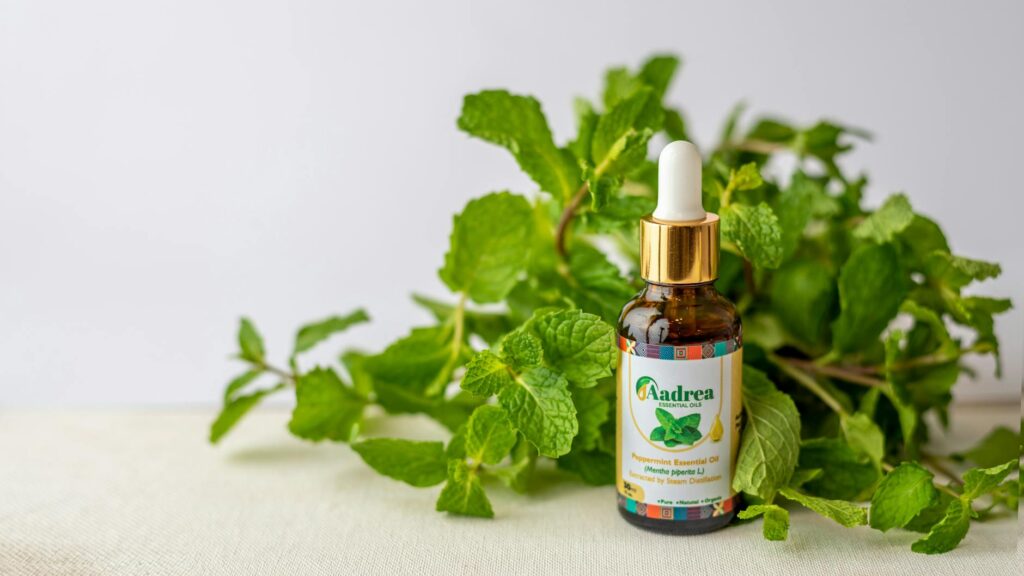
2. Peppermint Infused Oil
Peppermint oil can invigorate the mind and body. It is often used in aromatherapy to enhance focus and energy, making it ideal for use during study or work sessions.
3. Calendula Infused Oil
Calendula is known for its soothing properties, making it an excellent choice for skincare. Infused calendula oil can be used in salves and balms for minor irritations.
Safety Considerations
While cold infused oils are generally safe, it’s essential to consider the following precautions:
1. Quality of Ingredients
Choose high-quality carrier oils and botanicals to ensure the best infusion results. Organic and fresh ingredients are preferable.
2. Allergies and Sensitivities
Always conduct a patch test before applying any infused oil to the skin. Some botanicals may cause allergic reactions or sensitivities.
3. Storage and Contamination
Ensure that the infused oil is stored in a clean, dry container to avoid contamination. Use dark glass bottles to protect the oil from light, which can degrade its quality.
Storage and Shelf Life
Proper storage is critical to maintaining the quality of cold infused oils. Here are some guidelines:
1. Containers
Use dark glass bottles to store infused oils. This protects the oil from light exposure, which can lead to oxidation and spoilage.
2. Cool, Dark Place
Store the oils in a cool, dark place, away from direct sunlight and heat sources. A pantry or cupboard is ideal for preserving their quality.
3. Shelf Life
Most cold infused oils have a shelf life of about 6 to 12 months, depending on the carrier oil used and the ingredients infused. Regularly check for any signs of spoilage, such as off smells or cloudiness.
Frequently Asked Questions
1. Can I use fresh herbs for infusion?
Yes, fresh herbs can be used for infusion. However, they contain more moisture, which can lead to spoilage. It is advisable to wilt them slightly or use dried herbs for longer shelf life.
2. How long does the infusion process take?
The infusion process generally takes 2 to 6 weeks, depending on the desired strength of the oil. It is essential to shake the mixture occasionally to encourage the infusion process.
3. Can I add essential oils to cold infused oils?
Yes, you can blend essential oils with cold infused oils for enhanced aromatic and therapeutic properties. However, ensure that the essential oils are compatible with the infused oil’s intended use.
4. Are cold infused oils safe for cooking?
Cold infused oils are generally safe for cooking, but it’s best to keep them at low temperatures to preserve their flavors and properties. Avoid using them for high-heat cooking methods.
5. Can I use any type of oil for infusion?
While you can use various carrier oils, some are more suitable than others. Common options include olive oil, jojoba oil, almond oil, and grapeseed oil, each offering different properties and aromas.
Conclusion
Cold infused oils are a remarkable blend of nature’s bounty and craftsmanship, offering a myriad of benefits for culinary, skincare, and aromatherapy applications. By understanding the infusion process, key benefits, and practical uses, you can unlock the potential of these aromatic oils in your daily life. Embrace the art of cold infusion and explore the endless possibilities that await!