
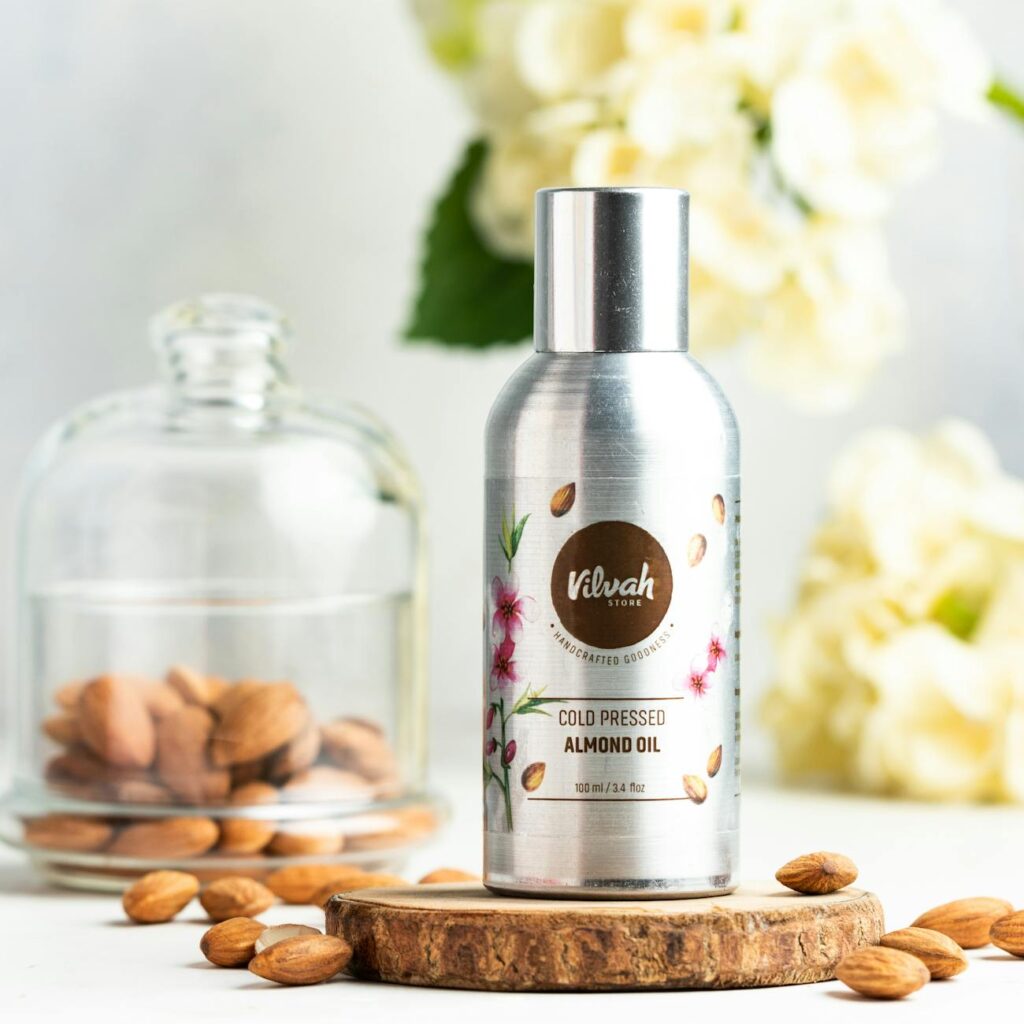
Complete Guide to Cold-Pressed Almond Oil
Introduction
Almond oil, derived from the seeds of the almond tree (Prunus dulcis), has been cherished for centuries for its diverse applications and beneficial properties. Cold-pressed almond oil, in particular, is a high-quality oil extracted without the use of heat, retaining its natural nutrients and flavor. This guide aims to provide a comprehensive overview of cold-pressed almond oil, covering its benefits, uses, applications in aromatherapy, safety considerations, and more.
What Is Cold-Pressed Almond Oil?
Cold-pressed almond oil is extracted from raw almonds using a method that involves crushing the nuts and pressing them to release the oil, without the application of heat. This process preserves the oil’s nutritional integrity, flavor, and aroma, making it a superior choice for culinary and cosmetic applications. Cold-pressed almond oil is typically light in color and has a subtle, nutty fragrance, distinguishing it from refined almond oil, which may undergo chemical processes and heat treatment.
Types of Almond Oil
There are two primary types of almond oil:
1. Sweet Almond Oil: Extracted from the sweet varieties of almonds, this is the most common type used in cosmetics and culinary applications.
2. Bitter Almond Oil: Derived from bitter almonds, this oil is not typically used in food products due to its potential toxicity and is mainly used in aromatherapy and fragrance products.
Key Benefits and Properties
Cold-pressed almond oil is celebrated for its rich composition of fatty acids, vitamins, and antioxidants. Key benefits and properties include:
Nutrient-Rich Composition
- Fatty Acids: Almond oil is a rich source of monounsaturated fatty acids, primarily oleic acid, which contributes to its moisturizing properties.
- Vitamins: It contains high levels of vitamin E, a powerful antioxidant that supports skin health and protects against oxidative stress.
- Minerals: Almond oil also provides essential minerals like magnesium, calcium, and potassium, contributing to overall wellness.
- Moisturizing: Its emollient properties make it an effective moisturizer, helping to hydrate and soften the skin.
- Soothing: Almond oil can help soothe irritated skin conditions, including eczema and psoriasis, due to its anti-inflammatory properties.
- Anti-Aging: The antioxidants in almond oil may help reduce the appearance of fine lines and wrinkles, promoting youthful-looking skin.
- Nourishing: Almond oil can be beneficial for hair health, providing nourishment and moisture to dry or damaged hair.
- Dandruff Treatment: Its moisturizing properties can aid in reducing dandruff and promoting a healthy scalp.
- Cooking: Ideal for sautéing, baking, and salad dressings, cold-pressed almond oil adds a nutty flavor to dishes.
- Nutritional Supplement: It can be incorporated into smoothies or drizzled over vegetables for an added nutritional boost.
- Skincare: Used in creams, lotions, and serums, almond oil serves as an effective moisturizer and carrier oil for essential oils.
- Massage Oil: Its smooth texture makes it a popular choice for massages, providing glide while hydrating the skin.
- Conditioner: Almond oil is often included in hair conditioners and masks for its nourishing properties.
- Styling Aid: A small amount of almond oil can be applied to hair to reduce frizz and add shine.
- Massage Blends: Combining almond oil with essential oils for therapeutic massages.
- Diffusion: While almond oil is not typically diffused, it can be mixed with essential oils for a topical application that enhances relaxation or invigorates the senses.
- Skincare Formulations: It can be used in homemade skincare products, providing a nourishing base for essential oils targeting specific skin concerns.
- Containers: Store almond oil in dark glass bottles to protect it from light, which can degrade the oil.
- Temperature: Keep the oil in a cool, dark place, away from heat sources. Refrigeration can extend its shelf life.
- Shelf Life: When stored correctly, cold-pressed almond oil typically has a shelf life of around 1 to 2 years. Always check for any off odors or changes in appearance before use.
Skin Benefits
Hair Benefits
Common Uses
Cold-pressed almond oil has a wide range of applications across various domains, including:
Culinary Uses
Cosmetic Uses
Haircare Products
Aromatherapy Applications
In aromatherapy, cold-pressed almond oil is valued as a carrier oil. It serves as a base for diluting essential oils, allowing their therapeutic properties to be safely absorbed into the skin. Some common applications in aromatherapy include:
Safety Considerations
While cold-pressed almond oil is generally considered safe for most individuals, it is essential to keep the following safety considerations in mind:
Allergies
Individuals with nut allergies should avoid almond oil, as it can trigger allergic reactions. Always perform a patch test before using the oil on a larger area of the skin.
Skin Sensitivity
Although almond oil is typically gentle, some individuals may experience sensitivity. Conduct a patch test to check for any adverse reactions.
Quality and Purity
Ensure that you purchase high-quality, 100% pure cold-pressed almond oil from reputable sources. Check for certifications regarding organic and cold-pressed production methods.
Storage and Shelf Life
To maintain the quality and longevity of cold-pressed almond oil, proper storage is crucial:
Frequently Asked Questions
1. Can cold-pressed almond oil be used for cooking?
Yes, cold-pressed almond oil can be used for cooking, including sautéing and baking. Its mild flavor enhances many dishes, but it has a low smoke point, so avoid using it for frying at high temperatures.
2. Is cold-pressed almond oil suitable for all skin types?
Cold-pressed almond oil is generally suitable for most skin types, including sensitive skin. However, individuals with nut allergies should avoid it. Performing a patch test is advisable for those with sensitive skin.
3. How do I use almond oil in hair care?
Almond oil can be applied directly to the hair or mixed with other products. For a deep conditioning treatment, apply it to the scalp and hair, leave it on for 30 minutes, and then wash it out with shampoo.
4. Can I use cold-pressed almond oil for essential oils?
Yes, cold-pressed almond oil is an excellent carrier oil for diluting essential oils before topical application. It helps enhance the absorption of essential oils while providing moisturizing benefits.
5. What is the difference between cold-pressed and refined almond oil?
Cold-pressed almond oil is extracted without heat, retaining its natural nutrients and flavor, while refined almond oil undergoes processing, which may involve heat and chemical treatments, leading to a loss of beneficial properties.
Conclusion
Cold-pressed almond oil is a versatile and beneficial oil with a wide array of applications in culinary, cosmetic, and aromatherapy practices. Its rich composition of vitamins, fatty acids, and antioxidants makes it a valuable addition to many routines. By understanding its properties, uses, and safety considerations, individuals can make the most of this nourishing oil in their daily lives. Whether used for cooking, skincare, or aromatherapy, cold-pressed almond oil embodies the essence of natural wellness.