
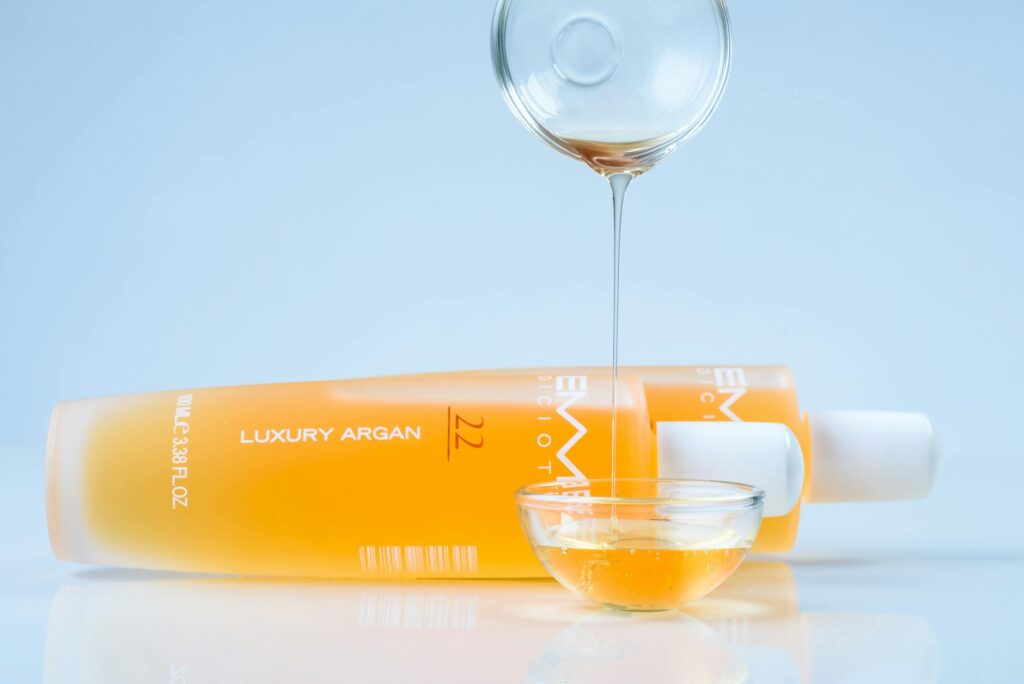
Complete Guide to Cold-Pressed Argan Oil
Introduction
Argan oil, often referred to as “liquid gold,” has gained significant popularity in recent years due to its numerous benefits for skin, hair, and overall wellness. This article aims to provide a comprehensive overview of cold-pressed argan oil, detailing its properties, uses, and applications in aromatherapy. Understanding the unique aspects of this oil can enhance its incorporation into daily routines, promoting both beauty and health.
What Is Cold-Pressed Argan Oil?
Cold-pressed argan oil is derived from the nuts of the argan tree (Argania spinosa), which is native to Morocco. The cold-pressing process involves extracting the oil without the application of heat, which helps preserve its nutritional and therapeutic properties. This method ensures that the oil retains its rich composition of fatty acids, vitamins, and antioxidants, making it a highly sought-after ingredient in cosmetic and culinary applications.
The argan tree is a resilient species that thrives in arid environments, and its nuts contain a high percentage of oil—typically around 50%. The traditional method of producing argan oil is labor-intensive, often involving women’s cooperatives in Morocco that hand-crack the nuts and cold-press the oil, which contributes to its authenticity and quality.
Key Benefits and Properties
Cold-pressed argan oil is renowned for its myriad benefits, primarily due to its unique composition:
Nutritional Composition
- Fatty Acids: Rich in oleic acid (omega-9) and linoleic acid (omega-6), which are essential for maintaining healthy skin and hair.
- Vitamin E: A powerful antioxidant that protects cells from oxidative stress and promotes skin health.
- Phytosterols: Compounds that help maintain skin barrier function and reduce inflammation.
- Skin Care: Used as a moisturizer, it can be applied directly to the skin or mixed with other products. It is particularly effective for dry patches and can help improve overall skin texture.
- Hair Care: As a hair serum, it can be applied to damp or dry hair to tame frizz and add shine. It can also be used as a deep conditioning treatment.
- Nail Care: Massaging argan oil into the cuticles can promote nail health and hydration.
- Cool, Dark Place: To preserve its properties, store argan oil in a cool, dark location away from direct sunlight and heat.
- Sealed Container: Keep the oil in a tightly sealed container to prevent oxidation.
Moisturizing Properties
Cold-pressed argan oil is an excellent natural moisturizer. Its high content of fatty acids allows it to penetrate deeply into the skin, providing hydration without leaving a greasy residue. This makes it suitable for a range of skin types, from dry to oily.
Anti-Aging Effects
The antioxidants present in argan oil, particularly vitamin E, help combat signs of aging by neutralizing free radicals. Regular use can improve skin elasticity and reduce the appearance of fine lines and wrinkles.
Hair Health
Argan oil is widely used in hair care products due to its ability to nourish and hydrate. It can help repair damaged hair, reduce frizz, and enhance shine, making it a popular ingredient in shampoos, conditioners, and styling products.
Common Uses
Cold-pressed argan oil can be utilized in various ways, catering to both beauty and culinary applications.
Cosmetic Uses
Culinary Uses
Cold-pressed argan oil is also used in cooking, particularly in Moroccan cuisine. It can be drizzled over salads, used as a dip for bread, or incorporated into sauces. Its nutty flavor adds a unique taste profile to various dishes.
Aromatherapy Applications
In aromatherapy, cold-pressed argan oil serves as an excellent carrier oil due to its light texture and skin-friendly properties. It can be blended with essential oils for various therapeutic applications:
Blending with Essential Oils
Argan oil can be mixed with essential oils such as lavender for relaxation, tea tree for its antibacterial properties, or citrus oils for uplifting effects. The oil’s moisturizing qualities enhance the absorption of essential oils into the skin.
Massage Oil
When used in massage, argan oil provides a smooth glide, making it ideal for therapeutic practices. Its nourishing properties can help soothe and hydrate the skin while promoting relaxation.
Safety Considerations
While cold-pressed argan oil is generally safe for most individuals, there are a few considerations to keep in mind:
Skin Sensitivity
Before applying argan oil to the skin, it is advisable to perform a patch test, especially for those with sensitive skin or allergies. Apply a small amount to a discreet area and observe for any adverse reactions.
Quality of Oil
It is essential to choose high-quality, pure cold-pressed argan oil. Look for products that are labeled as “100% pure” and check for certifications or seals of authenticity to ensure the oil has been produced ethically and sustainably.
Allergies
Individuals with nut allergies should exercise caution when using argan oil, as it is derived from nuts. Consulting with a healthcare provider before use is recommended for those with specific dietary restrictions or allergies.
Storage and Shelf Life
Proper storage is crucial for maintaining the quality of cold-pressed argan oil:
Storage Conditions
Shelf Life
When stored correctly, cold-pressed argan oil has a shelf life of approximately 12 to 24 months. However, it is advisable to check for any changes in smell, color, or texture before use, as these may indicate spoilage.
Frequently Asked Questions
1. Can cold-pressed argan oil be used on all skin types?
Yes, cold-pressed argan oil is suitable for various skin types, including dry, oily, and sensitive skin. Its lightweight texture allows for easy absorption without clogging pores.
2. Is argan oil safe for cooking?
Yes, cold-pressed argan oil can be safely used in cooking, particularly in salad dressings and as a finishing oil. However, it is not recommended for high-heat cooking, as excessive heat can degrade its nutritional properties.
3. How can I incorporate argan oil into my skincare routine?
Argan oil can be used as a standalone moisturizer, added to other products, or used as a carrier oil for essential oils. It can also be applied before makeup to enhance hydration.
4. Can argan oil help with acne?
While argan oil is non-comedogenic and may help balance oil production, individuals with acne-prone skin should consult a dermatologist to determine the best approach for their specific condition.
5. Is there a difference between cosmetic and culinary argan oil?
Yes, culinary argan oil is typically made from roasted argan nuts and has a distinct flavor, while cosmetic argan oil is usually made from unroasted nuts, preserving its natural scent and properties. It is important to use the appropriate type for each application.
Conclusion
Cold-pressed argan oil is a versatile and beneficial oil with a wide range of applications in beauty and culinary practices. Its unique composition offers nourishing properties for skin and hair, while its role in aromatherapy enhances overall wellness. By understanding its benefits and uses, individuals can effectively incorporate this remarkable oil into their daily routines, enjoying its many advantages while supporting sustainable practices in its sourcing.