
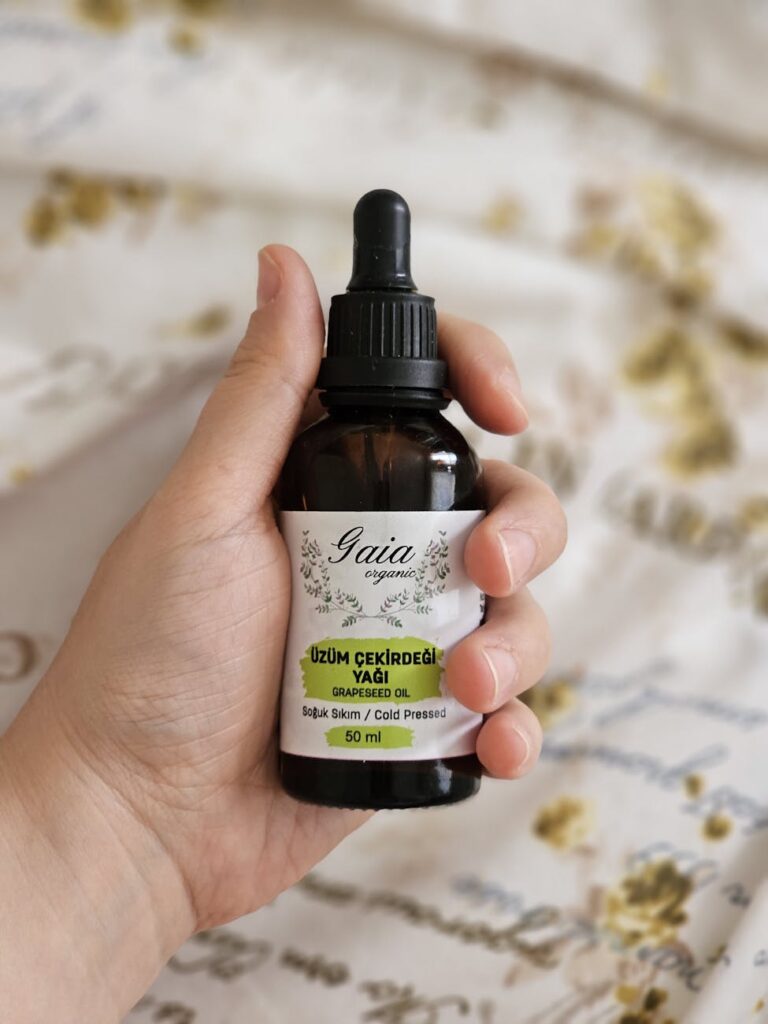
Complete Guide to Cold-Pressed Black Seed Oil
Introduction
Cold-pressed black seed oil, derived from the seeds of the Nigella sativa plant, has garnered attention for its versatile applications and potential health benefits. Known historically for its use in traditional medicine, this oil is increasingly popular in contemporary wellness practices, culinary applications, and skincare routines. This guide aims to provide a comprehensive overview of cold-pressed black seed oil, its properties, uses, and safety considerations.
What Is Cold-Pressed Black Seed Oil?
Cold-pressed black seed oil is extracted from the tiny black seeds of the Nigella sativa plant, which is native to South and Southwest Asia. The term “cold-pressed” refers to the method of extraction that does not involve heat, preserving the oil’s natural properties and nutrients. This extraction process is crucial, as heat can degrade the oil’s quality and diminish its beneficial compounds.
Nigella sativa has been used for thousands of years in various cultures, often referred to as “black cumin” or “fennel flower.” The oil has a distinctive, slightly bitter taste and a unique aromatic profile that can range from nutty to peppery.
Key Benefits and Properties
Cold-pressed black seed oil is known for its rich composition of bioactive compounds, including:
1. Thymoquinone: This is the most prominent active ingredient in black seed oil, known for its antioxidant and anti-inflammatory properties.
2. Essential Fatty Acids: The oil is rich in omega-3 and omega-6 fatty acids, which are important for maintaining overall health and supporting cellular function.
3. Vitamins and Minerals: Black seed oil is a source of vitamins A, B, and C, as well as essential minerals like calcium, potassium, and zinc.
Potential Benefits
While scientific research is ongoing, several potential benefits of cold-pressed black seed oil have been suggested:
- Anti-Inflammatory Effects: The oil may help reduce inflammation in the body, making it a popular choice for those seeking natural relief.
- Antioxidant Properties: The presence of thymoquinone and other antioxidants may help neutralize free radicals, which can contribute to cellular damage.
- Immune Support: Some studies suggest that black seed oil may support immune function due to its bioactive compounds.
- Skin Health: Its moisturizing properties and potential to soothe skin irritations have made it a sought-after ingredient in skincare formulations.
- Flavoring Agent: The oil can be used as a flavor enhancer in salad dressings, marinades, and dips.
- Food Supplement: Some individuals incorporate black seed oil into smoothies or take it by the teaspoon for its health benefits.
- Skincare: Black seed oil can be found in creams, lotions, and serums due to its moisturizing and soothing properties.
- Hair Care: It is often used in hair oils and conditioners to promote healthier hair and scalp.
- Massage Oil: Diluted black seed oil can be used in massage therapy for its potential anti-inflammatory properties.
- Aromatherapy: When blended with essential oils, black seed oil can be used in diffusers or inhalers for its aromatic qualities.
- Pairing with Other Oils: Black seed oil blends well with oils such as lavender, eucalyptus, and rosemary, enhancing both the aroma and therapeutic properties of the mixture.
- Diffusion: Although it can be used in a diffuser, it is often more effective when combined with other essential oils to create a balanced scent profile.
- Storage Conditions: Store the oil in a cool, dark place, away from direct sunlight and heat sources. A dark glass bottle can help protect the oil from light exposure.
- Shelf Life: When stored properly, cold-pressed black seed oil can have a shelf life of approximately 6 to 12 months. It is advisable to check for any changes in smell or appearance, which may indicate spoilage.
Common Uses
Cold-pressed black seed oil can be used in various ways, encompassing culinary, cosmetic, and therapeutic applications:
Culinary Uses
Cosmetic Uses
Therapeutic Uses
Aromatherapy Applications
While black seed oil is not a primary essential oil, it can be effectively used in aromatherapy when combined with other essential oils. Its unique scent can complement a variety of blends, offering a grounding and earthy note.
Blending Tips
Safety Considerations
While cold-pressed black seed oil is generally considered safe for most individuals, some precautions should be taken:
1. Allergic Reactions: As with any natural product, individuals may experience allergic reactions. It is advisable to perform a patch test before applying it to the skin.
2. Pregnancy and Breastfeeding: Pregnant or breastfeeding individuals should consult a healthcare professional before using black seed oil.
3. Medication Interactions: Black seed oil may interact with certain medications, particularly those that affect blood sugar levels or blood clotting. Consultation with a healthcare provider is recommended for those on medication.
Storage and Shelf Life
To ensure the longevity and quality of cold-pressed black seed oil, proper storage is essential:
Frequently Asked Questions
1. How do I know if I’m purchasing high-quality black seed oil?
Look for oil that is labeled “cold-pressed” and preferably organic. Dark glass bottles are a good sign, as they protect the oil from light. Check for third-party testing or certifications to ensure quality.
2. Can black seed oil be taken internally?
Yes, many people consume black seed oil as a supplement. However, it is important to adhere to recommended dosages and consult a healthcare provider if you have any health conditions or are taking medications.
3. Is cold-pressed black seed oil safe for children?
While black seed oil is often used in natural remedies, it is best to consult a healthcare provider before administering it to children.
4. Can I use black seed oil on my face?
Yes, many people use black seed oil in skincare formulations. It can be beneficial for moisturizing and soothing the skin, but it’s important to perform a patch test first to check for any adverse reactions.
5. Are there any side effects associated with black seed oil?
While generally considered safe, some individuals may experience gastrointestinal upset or allergic reactions. It is always advisable to consult a healthcare provider if any concerning symptoms arise.
Conclusion
Cold-pressed black seed oil is a versatile and valuable addition to the realms of culinary, cosmetic, and therapeutic practices. Its rich composition of beneficial compounds makes it a sought-after oil for those interested in natural wellness. While the potential benefits are numerous, it is essential to approach its use with awareness of safety considerations and quality sourcing. Whether used alone or in combination with other ingredients, cold-pressed black seed oil represents a time-honored natural resource that continues to captivate individuals worldwide.