
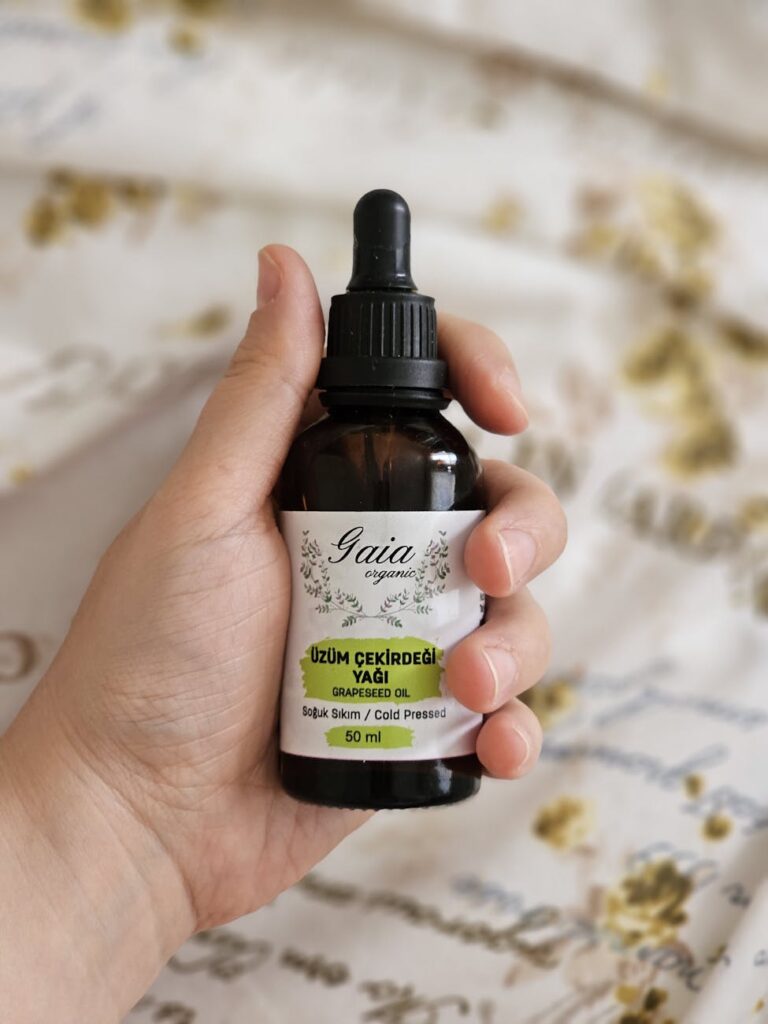
Complete Guide to Cold-Pressed Chia Seed Oil
Introduction
Chia seed oil has gained considerable attention in recent years due to its numerous health benefits and diverse applications. Extracted from the seeds of the Salvia hispanica plant, this oil is often cold-pressed to retain its vital nutrients and properties. In this comprehensive guide, we will explore what cold-pressed chia seed oil is, its key benefits, common uses, applications in aromatherapy, safety considerations, storage recommendations, and frequently asked questions.
What Is Cold-Pressed Chia Seed Oil?
Cold-pressed chia seed oil is derived from the seeds of the chia plant, native to Central and South America. The cold-press extraction method involves mechanically pressing the seeds to extract the oil without using heat. This process helps preserve the oil’s nutritional profile, including omega-3 fatty acids, antioxidants, and essential vitamins. Cold-pressed chia seed oil is typically clear to pale yellow and has a mild, nutty flavor.
Key Benefits and Properties
Nutritional Profile
Cold-pressed chia seed oil is rich in several essential nutrients, including:
- Omega-3 Fatty Acids: Primarily alpha-linolenic acid (ALA), which is known for its anti-inflammatory properties.
- Omega-6 Fatty Acids: Important for skin health and overall bodily functions.
- Antioxidants: Such as tocopherols (vitamin E), which help protect cells from oxidative stress.
- Vitamins and Minerals: Including calcium, potassium, and magnesium.
- Salad Dressings: Its mild flavor makes it an excellent base for vinaigrettes.
- Smoothies: A tablespoon can be added to smoothies for an extra nutritional boost.
- Baking: Chia seed oil can be used in baking recipes as a substitute for other oils or fats.
- Drizzling: Use it as a finishing oil over vegetables, grains, or proteins for added flavor and nutrients.
- Moisturizers: It can be applied directly to the skin or incorporated into creams and lotions.
- Hair Treatments: Chia seed oil can help nourish dry or damaged hair when used as a leave-in conditioner.
- Lavender: For relaxation and calming effects.
- Tea Tree: For its antibacterial properties.
- Peppermint: For an invigorating and refreshing scent.
- Skin Sensitivity: Conduct a patch test before applying the oil to a larger area of skin, especially if you have sensitive skin.
- Allergic Reactions: Individuals with a known allergy to chia seeds should avoid chia seed oil.
- Pregnancy and Nursing: Consult a healthcare provider before using any new oil during pregnancy or while breastfeeding.
- Cool, Dark Place: Store the oil in a cool, dark place, away from direct sunlight and heat.
- Refrigeration: For extended shelf life, consider refrigerating the oil, as it can become rancid over time.
- Tightly Sealed Container: Keep the oil in a tightly sealed container to prevent oxidation.
Health Benefits
While it is essential to remember that this oil is not a substitute for medical treatment, its nutrient-dense profile offers various potential benefits:
1. Skin Health: The fatty acids in chia seed oil can help maintain skin hydration and elasticity.
2. Heart Health: Omega-3 fatty acids may contribute to heart health by supporting healthy cholesterol levels.
3. Anti-inflammatory Properties: The oil’s high omega-3 content may help reduce inflammation in the body.
4. Digestive Health: The oil’s fiber content can support digestive function, although it is primarily consumed in small amounts.
Common Uses
Culinary Applications
Cold-pressed chia seed oil is versatile in the kitchen and can be used in various ways:
Skin and Hair Care
Due to its emollient properties, cold-pressed chia seed oil is commonly used in personal care products:
Aromatherapy Applications
While chia seed oil is not an essential oil, it can still play a role in aromatherapy as a carrier oil. Carrier oils are used to dilute essential oils before topical application. Chia seed oil has several characteristics that make it suitable for this purpose:
Benefits as a Carrier Oil
1. Skin Compatibility: Its high fatty acid content makes it gentle on the skin and suitable for all skin types.
2. Absorption: Chia seed oil absorbs well into the skin, making it an effective medium for delivering essential oils.
3. Non-Comedogenic: This oil is unlikely to clog pores, making it ideal for facial applications.
Blending with Essential Oils
Chia seed oil can be blended with various essential oils to create customized aromatherapy blends. Some popular essential oils to mix with chia seed oil include:
Safety Considerations
While cold-pressed chia seed oil is generally safe for most people, certain precautions should be observed:
Storage and Shelf Life
Proper storage is crucial for maintaining the quality of cold-pressed chia seed oil:
Storage Recommendations
Shelf Life
When stored correctly, cold-pressed chia seed oil can last up to 1 year. However, always check for changes in smell, color, or texture, which may indicate spoilage.
Frequently Asked Questions
1. Can I use cold-pressed chia seed oil for cooking?
Yes, cold-pressed chia seed oil can be used for cooking and baking, but it is best suited for low-heat applications. High heat can degrade the oil’s nutritional properties.
2. Is cold-pressed chia seed oil suitable for all skin types?
Yes, cold-pressed chia seed oil is generally suitable for all skin types, including sensitive skin. However, conducting a patch test is advisable.
3. Can I take chia seed oil as a dietary supplement?
Chia seed oil can be consumed as part of a balanced diet, but it is recommended to consult with a healthcare professional before starting any new supplement regimen.
4. How does chia seed oil compare to other oils?
Chia seed oil is particularly high in omega-3 fatty acids compared to many other common oils, making it a beneficial addition to a healthy diet.
5. How do I incorporate chia seed oil into my skincare routine?
Chia seed oil can be applied directly to the skin or mixed with essential oils or other skincare products. It can also be added to homemade lotions and creams.
Conclusion
Cold-pressed chia seed oil is a nutrient-rich oil with numerous applications in culinary, skincare, and aromatherapy practices. Its high content of omega-3 fatty acids, antioxidants, and vitamins makes it a valuable addition to a balanced lifestyle. By understanding its benefits, uses, and safety considerations, you can effectively incorporate this versatile oil into your daily routine.