
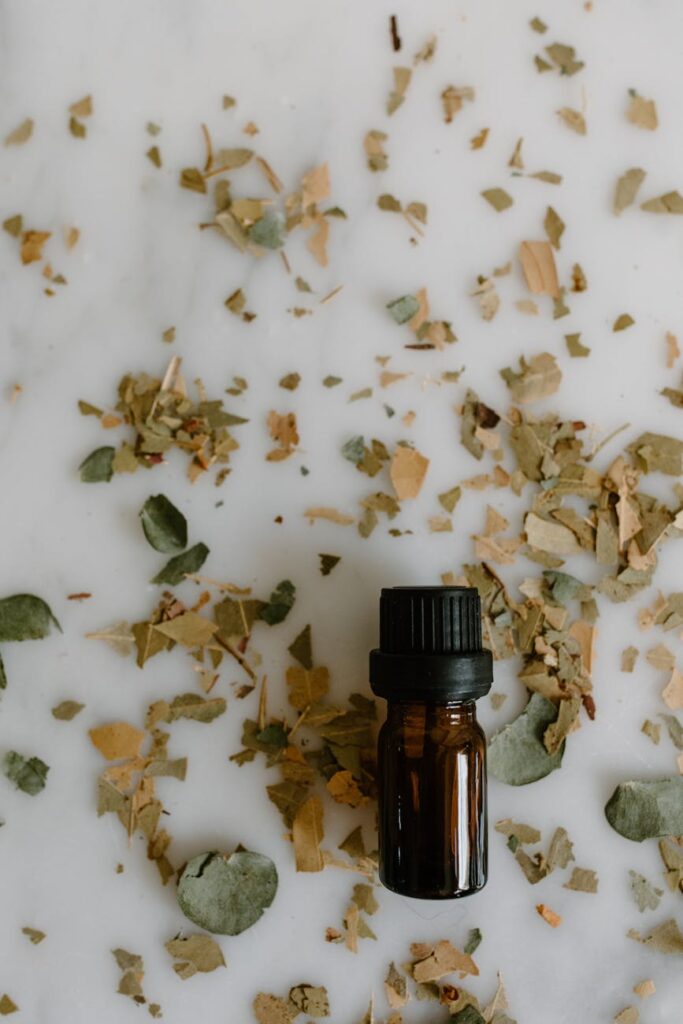
Complete Guide to Cold-Pressed Flaxseed Oil
Introduction
Cold-pressed flaxseed oil has gained popularity in recent years, celebrated for its myriad health benefits and versatile applications. Extracted from the seeds of the flax plant (Linum usitatissimum), this oil stands out not only for its nutritional profile but also for its role in various wellness practices, including aromatherapy. This comprehensive guide will delve into what cold-pressed flaxseed oil is, its benefits, common uses, and safety considerations, providing a robust foundation for understanding this valuable oil.
What Is Cold-Pressed Flaxseed Oil?
Cold-pressed flaxseed oil is derived from the seeds of the flax plant through a mechanical process that avoids the application of heat. This method preserves the oil’s natural properties, including its delicate flavor and rich nutrient content. Flaxseed oil is primarily composed of polyunsaturated fatty acids, particularly alpha-linolenic acid (ALA), an essential omega-3 fatty acid.
The cold-pressing technique involves crushing the flax seeds to extract the oil, maintaining the integrity of the nutrients, antioxidants, and enzymes present in the seeds. This method contrasts with refined oils, which typically undergo processing that can diminish their beneficial properties.
Key Benefits and Properties
Cold-pressed flaxseed oil is renowned for its nutritional profile and health benefits. Some of its key attributes include:
1. Rich in Omega-3 Fatty Acids
Flaxseed oil is one of the richest plant sources of omega-3 fatty acids, particularly ALA. These fatty acids are essential for many bodily functions, including cellular health and cardiovascular support.
2. High in Antioxidants
Flaxseed oil contains lignans, a type of antioxidant that can help combat oxidative stress in the body. Antioxidants are crucial for protecting cells from damage caused by free radicals.
3. Anti-Inflammatory Properties
The omega-3 fatty acids in flaxseed oil may help reduce inflammation in the body, potentially benefiting individuals with conditions characterized by chronic inflammation.
4. Supports Skin Health
Due to its moisturizing properties, flaxseed oil is often used in cosmetic applications. It may help soothe dry skin and improve the skin barrier function, making it a popular ingredient in skincare formulations.
5. Potential Digestive Benefits
Some individuals find that flaxseed oil can support digestive health, although the evidence is primarily anecdotal. It may help promote regularity and overall gut health.
Common Uses
Cold-pressed flaxseed oil is versatile and can be used in various ways:
1. Culinary Uses
Flaxseed oil has a mild, nutty flavor that enhances salads, smoothies, and other dishes. It is not recommended for cooking at high temperatures, as heat can degrade its beneficial properties. Instead, it is best used as a finishing oil or in dressings.
2. Beauty and Skincare
In the realm of beauty, flaxseed oil is often used in lotions, creams, and hair products. Its moisturizing properties make it an excellent choice for dry skin and hair treatments.
3. Dietary Supplements
Many people choose to take flaxseed oil as a dietary supplement in liquid or capsule form to benefit from its omega-3 fatty acids and other nutrients.
4. Natural Remedies
Flaxseed oil is sometimes used in home remedies for various conditions, although users should consult reliable sources for guidance.
Aromatherapy Applications
While flaxseed oil is not typically classified as an essential oil, it can play a role in aromatherapy when used as a carrier oil. Its subtle scent and skin-nourishing properties make it suitable for diluting essential oils, allowing for effective topical application without overwhelming the senses.
1. Carrier Oil
In aromatherapy, flaxseed oil can be mixed with essential oils for massages or topical applications. It helps deliver the therapeutic properties of essential oils while providing additional skin benefits.
2. Blending with Essential Oils
Flaxseed oil can be blended with essential oils such as lavender, chamomile, or eucalyptus. This combination allows for a soothing and nourishing experience, enhancing both the aromatic and therapeutic benefits.
3. Skin Applications
When applied topically, flaxseed oil may help reduce skin irritation and improve hydration, making it a beneficial addition to aromatherapy practices focused on skin health.
Safety Considerations
While cold-pressed flaxseed oil is generally safe for most individuals, some considerations should be kept in mind:
1. Allergies
Individuals with allergies to flax or related plants should avoid using flaxseed oil. It is advisable to perform a patch test before applying it to the skin.
2. Pregnancy and Breastfeeding
Pregnant and breastfeeding individuals should consult a healthcare provider before incorporating flaxseed oil into their routine.
3. Interactions with Medications
Flaxseed oil may interact with certain medications, particularly blood thinners and hormone therapies. It is crucial to consult a healthcare professional if you are taking medications.
4. Dosage
When using flaxseed oil as a supplement, it is essential to adhere to recommended dosages. Overconsumption can lead to digestive discomfort and other adverse effects.
Storage and Shelf Life
Proper storage is vital to maintaining the quality of cold-pressed flaxseed oil. Follow these guidelines for optimal shelf life:
1. Storage Conditions
Flaxseed oil should be stored in a cool, dark place, ideally in a refrigerator. Exposure to light and heat can cause the oil to become rancid more quickly.
2. Shelf Life
When properly stored, cold-pressed flaxseed oil typically has a shelf life of about six months to a year. It is advisable to check for signs of rancidity, such as off odors or changes in color, before use.
Frequently Asked Questions
1. Can I cook with cold-pressed flaxseed oil?
Flaxseed oil is not recommended for cooking at high temperatures due to its low smoke point. It is best used in salad dressings or as a finishing oil.
2. How do I incorporate flaxseed oil into my diet?
You can add flaxseed oil to smoothies, salads, or yogurt. It can also be taken as a dietary supplement in liquid or capsule form.
3. What is the difference between cold-pressed and refined flaxseed oil?
Cold-pressed flaxseed oil is extracted without heat, preserving its nutrients, while refined flaxseed oil undergoes processing that may reduce its beneficial properties.
4. Is flaxseed oil safe for everyone?
While generally safe, individuals with allergies to flax or those on specific medications should consult a healthcare provider before using flaxseed oil.
5. How can I tell if my flaxseed oil has gone bad?
Signs of rancidity include off odors, changes in color, or a bitter taste. If you notice any of these signs, it is best to discard the oil.
Conclusion
Cold-pressed flaxseed oil is a remarkable oil with numerous benefits and applications. From its rich omega-3 content to its uses in cooking, skincare, and aromatherapy, it offers a versatile addition to various lifestyles. However, as with any oil, proper storage, awareness of safety considerations, and informed usage are essential for maximizing its potential. Whether you’re looking to enhance your diet or explore its applications in beauty and wellness, cold-pressed flaxseed oil is a valuable resource worthy of consideration.