
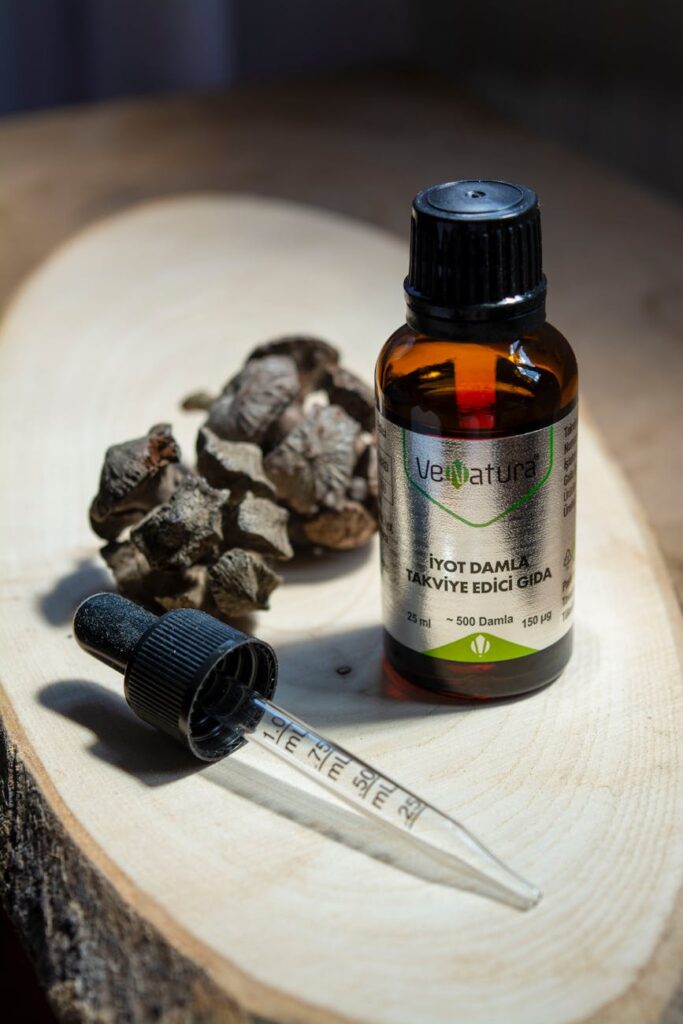
Complete Guide to Cold-Pressed Kukui Nut Oil
Introduction
Kukui nut oil, derived from the nuts of the kukui tree (Aleurites molucanna), has been cherished for centuries, particularly in Hawaiian culture. Its rich, nourishing properties make it a sought-after oil in both cosmetic and therapeutic applications. Cold-pressed kukui nut oil is extracted without the use of heat, ensuring that the oil retains its natural nutrients and beneficial properties. In this comprehensive guide, we will explore the characteristics, benefits, uses, and safety considerations of cold-pressed kukui nut oil, as well as its applications in aromatherapy.
What Is Cold-Pressed Kukui Nut Oil?
Cold-pressed kukui nut oil is obtained through a mechanical extraction process that involves crushing the nuts of the kukui tree without applying heat. This method preserves the oil’s delicate structure and enhances its array of beneficial compounds, including essential fatty acids, vitamins, and antioxidants. The kukui tree is native to Hawaii, where it thrives in tropical climates. The oil is typically pale yellow to clear in color and has a light, nutty aroma.
Key Benefits and Properties
Cold-pressed kukui nut oil is valued for its unique composition of fatty acids, which include:
- Linoleic acid (Omega-6): This essential fatty acid helps maintain the skin’s barrier function and can improve hydration.
- Oleic acid (Omega-9): Known for its moisturizing properties, oleic acid can penetrate deep into the skin and provide nourishment.
- Palmitic acid: This fatty acid contributes to the oil’s emollient properties, making it effective for softening and smoothing the skin.
- Moisturizers: Its hydrating properties make it a popular ingredient in lotions, creams, and serums.
- Body Oils: Kukui nut oil can be used as a standalone body oil or blended with other carrier oils for enhanced benefits.
- Massage Oils: Due to its smooth texture, it is an excellent choice for massage blends, helping to nourish the skin while providing a silky glide.
- Blending with Essential Oils: Kukui nut oil can be combined with various essential oils, such as lavender, chamomile, or eucalyptus, for soothing massage blends, skincare treatments, or relaxation purposes.
- Diffusion: While kukui nut oil itself does not have a strong aromatic profile, it can be used in diffuser blends when combined with more fragrant essential oils, enhancing the overall sensory experience.
- Allergic Reactions: Individuals with nut allergies should exercise caution and conduct a patch test before using kukui nut oil on the skin.
- Pregnancy and Nursing: While kukui nut oil is often regarded as safe, it is advisable for pregnant or nursing individuals to consult with a healthcare professional before incorporating any new oils into their routine.
- Dilution: When using kukui nut oil in aromatherapy, it is essential to properly dilute it with essential oils, as undiluted oils can cause skin irritation.
- Container: Use a dark glass bottle to protect the oil from light exposure, which can degrade its quality over time.
- Temperature: Store the oil in a cool, dark place, away from heat and humidity. This helps to prevent rancidity and prolongs its shelf life.
- Shelf Life: Cold-pressed kukui nut oil typically has a shelf life of about 1 to 2 years when stored correctly. Always check for any changes in smell or appearance before use.
In addition to its fatty acid profile, kukui nut oil is rich in vitamins A, C, and E, which are known for their antioxidant properties. These compounds help combat oxidative stress, promote skin health, and support a youthful appearance.
Moisturizing and Hydrating
Kukui nut oil is an excellent moisturizer, making it beneficial for dry or dehydrated skin. Its lightweight texture allows for easy absorption, providing long-lasting hydration without leaving a greasy residue.
Soothing and Calming
The oil is often used to soothe irritated or inflamed skin conditions, as it can help reduce redness and promote healing. Its anti-inflammatory properties make it suitable for applications on sensitive or sunburned skin.
Enhancing Skin Elasticity
Regular use of kukui nut oil may improve skin elasticity, making it an ideal choice for those looking to maintain firmness and reduce the appearance of fine lines and wrinkles.
Common Uses
Cold-pressed kukui nut oil is versatile and can be utilized in various applications, including:
Skincare
Haircare
Kukui nut oil can be applied to hair to improve moisture retention, reduce frizz, and enhance shine. It is often included in shampoos, conditioners, and hair masks.
Lip Care
The oil is commonly found in lip balms and treatments, as it helps to keep lips hydrated and prevent chapping.
Aromatherapy Applications
In aromatherapy, kukui nut oil is often used as a carrier oil due to its light texture and skin-nourishing properties. It effectively dilutes essential oils, allowing for safe application on the skin. Some common applications include:
Safety Considerations
Although cold-pressed kukui nut oil is generally considered safe for topical use, there are a few precautions to keep in mind:
Storage and Shelf Life
To preserve the quality of cold-pressed kukui nut oil, it is important to store it properly:
Frequently Asked Questions
1. Can cold-pressed kukui nut oil be used on all skin types?
Yes, kukui nut oil is generally suitable for all skin types, including dry, oily, and sensitive skin. Its lightweight texture and non-comedogenic properties make it an excellent choice for various skin conditions.
2. Is kukui nut oil safe for use on the face?
Yes, kukui nut oil can be safely used on the face as a moisturizer or part of a skincare routine. Its hydrating properties can help maintain skin health and improve texture.
3. How is cold-pressed kukui nut oil different from other oils?
Cold-pressed kukui nut oil is unique due to its specific fatty acid profile and nutrient content. Unlike some oils that may undergo refining or hydrogenation, cold-pressed kukui nut oil retains its natural properties, making it particularly beneficial for skincare and haircare.
4. Can kukui nut oil be ingested?
While kukui nut oil is commonly used in topical applications, it is not widely recommended for internal use. If considering ingestion, consult a healthcare professional.
5. How do I incorporate kukui nut oil into my skincare routine?
Kukui nut oil can be applied directly to the skin after cleansing, or it can be mixed with other oils or skincare products. It is also effective when used as part of a massage oil blend.
Conclusion
Cold-pressed kukui nut oil is a remarkable oil with a wealth of benefits for skin and hair care. Its rich composition of essential fatty acids, vitamins, and antioxidants makes it a valuable addition to various applications, including skincare, haircare, and aromatherapy. By understanding its properties, uses, and safety considerations, individuals can fully appreciate the advantages of incorporating kukui nut oil into their personal care routines.