
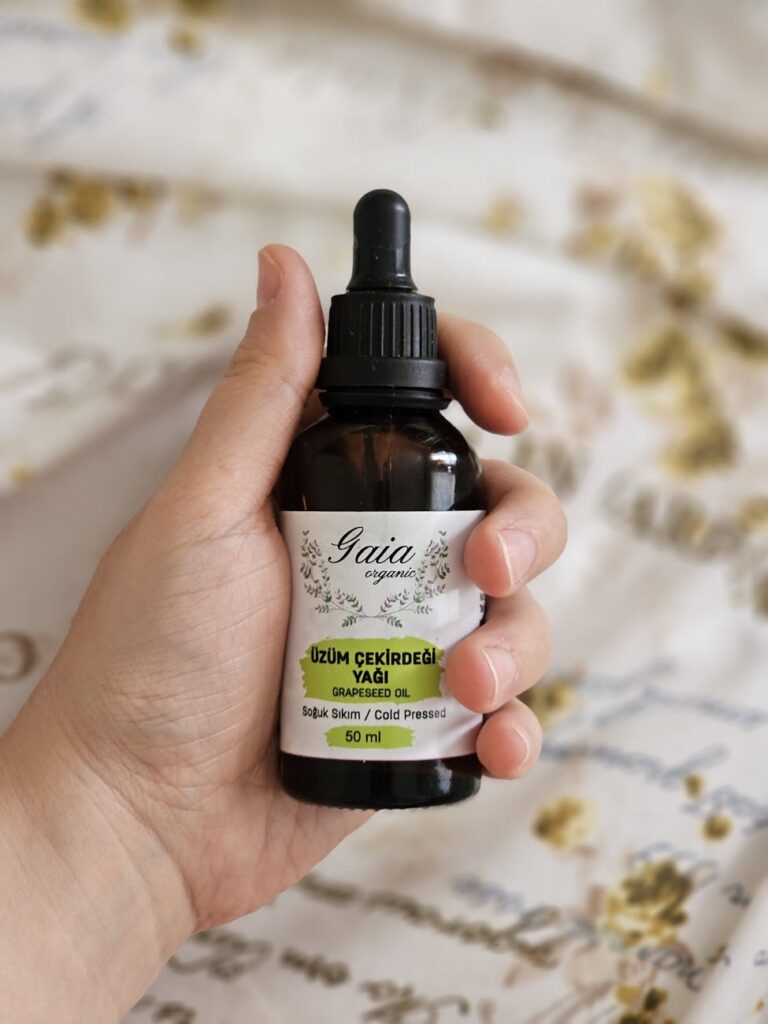
Complete Guide to Cold Pressed Oils
Introduction
Cold pressed oils have gained significant attention in recent years, thanks to their natural extraction methods and rich nutritional profiles. These oils are not only popular in culinary applications but are also increasingly recognized in the realms of aromatherapy and holistic well-being. This comprehensive guide aims to explore the intricacies of cold pressed oils, their benefits, uses, and the best practices for storage and safety.
What Is Cold Pressed Oils?
Cold pressed oils are derived from the mechanical pressing of seeds, nuts, or fruits without the application of heat. This method preserves the natural flavor, aroma, and nutritional integrity of the oil. The process typically involves crushing the raw materials to release their oil, followed by pressing to separate the oil from the solid components.
The Process
1. Selection of Raw Materials: High-quality seeds, nuts, or fruits are selected for oil extraction. Common examples include olives, sunflower seeds, and almonds.
2. Mechanical Pressing: The raw materials are subjected to a hydraulic press or a screw press to extract the oil. The pressing occurs at low temperatures to maintain the oil’s natural properties.
3. Filtration: After extraction, the oil may undergo filtration to remove any remaining solids, ensuring clarity and stability.
Types of Cold Pressed Oils
Cold pressed oils can be categorized based on their source:
- Seed Oils: Examples include flaxseed oil, pumpkin seed oil, and sesame oil.
- Nut Oils: Almond oil and walnut oil are popular choices.
- Fruit Oils: Olive oil and avocado oil fall under this category.
- Jojoba Oil: Mimics the skin’s natural oils, making it an excellent choice for all skin types.
- Grapeseed Oil: Lightweight and easily absorbed, ideal for massage and aromatherapy blends.
- Sweet Almond Oil: Rich in vitamins and minerals, beneficial for skin and hair applications.
- Olive Oil: Typically lasts up to 2 years when stored properly.
- Nut Oils: Generally have a shorter shelf life, around 6 months to 1 year.
- Seed Oils: Varies by type; flaxseed oil, for example, should ideally be used within 3-6 months.
Key Benefits and Properties
Cold pressed oils are renowned for their rich nutritional content and numerous health benefits. Here are some of the key properties:
Nutrient Density
Cold pressed oils retain essential fatty acids, vitamins, and antioxidants that are often lost during high-heat extraction processes. For instance, olive oil is abundant in monounsaturated fats and vitamin E.
Flavor and Aroma
The flavor profile of cold pressed oils is often more robust and complex compared to refined oils. This is due to the preservation of natural compounds that contribute to the oil’s taste and aroma.
Chemical Composition
Cold pressing results in oils that are free from chemical solvents, making them a natural choice for those seeking minimally processed products. The absence of heat also prevents the alteration of beneficial compounds.
Common Uses
Cold pressed oils have a wide array of applications across various fields, including culinary, cosmetic, and therapeutic uses.
Culinary Uses
1. Cooking: While some cold pressed oils have a low smoke point and are better suited for dressings or drizzling, others like avocado oil can be used for sautéing.
2. Salad Dressings: Olive oil is a classic choice for salad dressings, providing both flavor and health benefits.
3. Flavor Enhancer: Cold pressed oils can enhance the flavor of dishes, lending a unique taste profile that complements various cuisines.
Cosmetic Uses
1. Moisturizers: Many cold pressed oils, such as coconut and almond oil, are used in skincare products for their hydrating properties.
2. Hair Care: Oils like argan oil are often used for hair treatments to enhance shine and manageability.
3. Massage Oils: Due to their nourishing properties, cold pressed oils are popular in massage therapy.
Aromatherapy Applications
Cold pressed oils also play a significant role in aromatherapy, where they serve as carrier oils for essential oils. They help dilute potent essential oils, making them safe for topical application while enhancing the aromatherapy experience.
Common Carrier Oils
Blending with Essential Oils
Cold pressed oils can be blended with essential oils to create personalized aromatic experiences. When mixing, it’s essential to consider the properties and aromas of both the carrier and essential oils to achieve a harmonious blend.
Safety Considerations
While cold pressed oils are generally safe for most applications, certain precautions should be observed:
Allergies
Some individuals may have allergies to specific oils, especially those derived from nuts or seeds. It is advisable to conduct a patch test before using a new oil topically.
Quality Assurance
The quality of cold pressed oils can vary significantly. It is beneficial to choose oils that are labeled as organic or cold pressed, ensuring minimal processing and the absence of harmful additives.
Storage Recommendations
To maintain the integrity of cold pressed oils, proper storage is crucial. Exposure to light, heat, and air can cause oils to become rancid. It is recommended to store oils in dark glass bottles in a cool, dark place.
Storage and Shelf Life
The shelf life of cold pressed oils can vary based on the type of oil and its storage conditions. Generally, cold pressed oils have a shorter shelf life compared to refined oils due to the absence of preservatives.
Recommended Storage Conditions
1. Cool Temperature: Store oils in a cool environment, ideally below 70°F (21°C).
2. Dark Containers: Use dark glass bottles to minimize light exposure, which can degrade the oil.
3. Seal Tightly: Keep the bottle tightly sealed to prevent air from entering, which can lead to oxidation.
Shelf Life Estimates
Frequently Asked Questions
1. Can I use cold pressed oils for cooking?
Yes, many cold pressed oils are suitable for cooking, although it’s important to consider their smoke points. Oils with higher smoke points, like avocado oil, can be used for high-heat cooking, while others like extra virgin olive oil are better suited for dressings.
2. Are cold pressed oils better than refined oils?
Cold pressed oils are often considered better due to their higher nutrient content and lack of chemical processing. However, the choice between cold pressed and refined oils should depend on the intended use and personal preferences.
3. How can I tell if cold pressed oil has gone bad?
Signs of rancidity include an off or sour smell, a change in color, and a bitter taste. If you notice any of these signs, it is best to dispose of the oil.
4. Can I use cold pressed oils on my skin?
Yes, many cold pressed oils are safe for topical application and can provide benefits for skin hydration and nourishment. However, conducting a patch test is advisable for those with sensitive skin.
5. What are some popular cold pressed oils for aromatherapy?
Popular choices include sweet almond oil, jojoba oil, and grapeseed oil as carrier oils. These oils blend well with essential oils and provide additional benefits for skin and hair.
Conclusion
Cold pressed oils are a versatile and enriching addition to both culinary and holistic practices. Their natural extraction process, coupled with numerous health benefits, makes them a valuable resource for anyone interested in enhancing their lifestyle. Understanding their properties, uses, and proper storage techniques ensures that you can enjoy these oils to their fullest potential. Whether for cooking, skincare, or aromatherapy, cold pressed oils offer a world of possibilities to explore.