
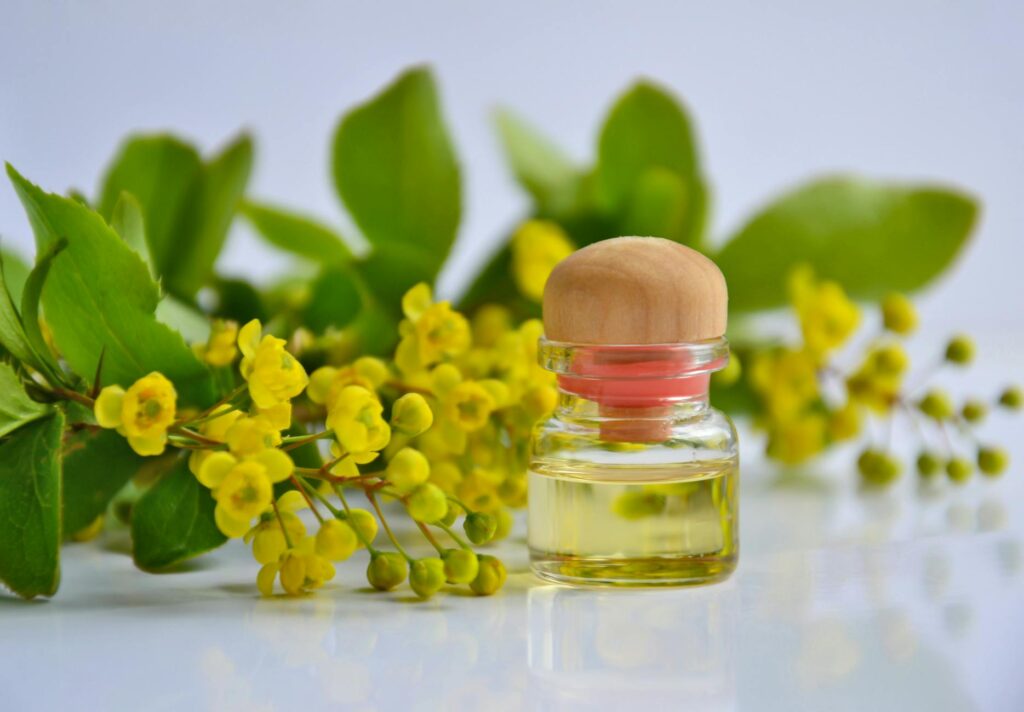
Complete Guide to Copaiba Oil
Introduction
Copaiba oil, derived from the resin of the Copaifera tree, has gained popularity in the realm of essential oils and aromatherapy. This versatile oil is celebrated for its unique properties and a wide range of applications, from skincare to emotional well-being. In this comprehensive guide, we will delve into the origins, benefits, uses, and safety considerations of copaiba oil, equipping you with the knowledge to incorporate it into your life effectively.
What Is Copaiba Oil?
Copaiba oil is extracted from the resin of the Copaifera tree, which is native to South America. The trees can grow up to 30 meters tall and are typically found in the Amazon rainforest. The resin is harvested by making incisions in the bark, allowing the sap to flow out and solidify into a thick, viscous substance. Once collected, the resin undergoes a distillation process to produce the essential oil.
Copaiba oil is known for its warm, woody aroma, characterized by a hint of sweetness. It is often used as a base note in perfumery and blends well with other essential oils, enhancing their fragrances and therapeutic effects.
Key Benefits and Properties
Copaiba oil is rich in beta-caryophyllene, a compound that contributes to its therapeutic properties. Below are some of the key benefits and properties associated with copaiba oil:
Anti-Inflammatory
Copaiba oil is renowned for its anti-inflammatory properties, which may help soothe skin irritations and promote a sense of comfort. This makes it a popular choice for topical applications.
Antimicrobial
Research suggests that copaiba oil possesses antimicrobial properties, making it a potential ally in supporting skin health and overall hygiene.
Analgesic
The oil is also thought to have analgesic properties that may help alleviate discomfort when applied topically or inhaled.
Calming and Grounding
Copaiba oil has a calming effect on the mind and body, often used in aromatherapy to promote relaxation and stress relief.
Common Uses
Copaiba oil can be used in various ways, making it a versatile addition to your essential oil collection. Here are some common applications:
Skincare
Copaiba oil can be diluted with a carrier oil and applied to the skin to help with blemishes, redness, and irritation. Its soothing properties make it suitable for sensitive or inflamed skin.
Massage
Incorporating copaiba oil into massage oils can enhance relaxation and provide relief from muscle tension.
Diffusion
Using a diffuser, copaiba oil can be inhaled to promote a calming atmosphere, making it an excellent choice for meditation or yoga practices.
Bath
Adding a few drops of copaiba oil to a warm bath can create a soothing experience, helping to ease tension and promote relaxation.
Aromatherapy Applications
Copaiba oil is frequently used in aromatherapy for its calming and grounding effects. Here are some popular applications:
Diffuser Blends
Copaiba oil blends well with other essential oils, such as lavender, frankincense, and bergamot. Creating a synergy of scents can enhance the overall benefits of your aromatherapy experience.
Inhalation
For immediate relaxation, copaiba oil can be inhaled directly from the bottle or added to a personal inhaler. This method allows for quick access to its calming properties.
Topical Applications
When diluted with a carrier oil, copaiba oil can be applied to pulse points, such as the wrists or neck. This method allows for the continuous release of its calming aroma throughout the day.
Safety Considerations
While copaiba oil is generally considered safe for use, it’s important to adhere to certain precautions:
Skin Sensitivity
Always perform a patch test before applying copaiba oil topically. Diluting it with a carrier oil is advisable to avoid any potential skin irritation.
Pregnancy and Nursing
Consult with a healthcare professional before using copaiba oil during pregnancy or while nursing, as individual responses can vary.
Children
Copaiba oil should be used cautiously with children. It is advisable to consult a qualified aromatherapist or healthcare provider for guidance on age-appropriate usage.
Allergies
If you have known allergies to other essential oils or botanical substances, it’s wise to consult a healthcare provider before using copaiba oil.
Storage and Shelf Life
Proper storage is essential to maintaining the quality and efficacy of copaiba oil. Here are some tips for optimal storage:
Dark Glass Bottles
Store copaiba oil in a dark glass bottle to protect it from light, which can degrade its properties.
Cool, Dry Place
Keep the oil in a cool, dry place, away from direct sunlight and heat sources. A cabinet or drawer is often suitable.
Shelf Life
When stored correctly, copaiba oil has a shelf life of about 2 to 3 years. Regularly check for any changes in aroma, texture, or color, which may indicate spoilage.
Frequently Asked Questions
1. Is copaiba oil safe for everyone?
Copaiba oil is generally safe for most individuals when used as directed. However, those with allergies, pregnant or nursing women, and young children should consult a healthcare professional before use.
2. Can copaiba oil be ingested?
While some sources suggest that copaiba oil can be ingested, it is essential to consult a healthcare provider or a qualified aromatherapist for guidance on safe ingestion practices.
3. How is copaiba oil different from CBD oil?
Copaiba oil and CBD oil both come from plants but are derived from different sources. Copaiba oil is extracted from the resin of the Copaifera tree, while CBD oil is derived from the cannabis plant. They have different chemical compositions and effects.
4. Can I use copaiba oil for cooking?
Copaiba oil is primarily used for aromatherapy and topical applications, and it is not typically recommended for culinary uses. Always check with a knowledgeable source before considering ingestion.
5. How do I dilute copaiba oil for topical use?
A common dilution ratio is 2-3 drops of copaiba oil in 1 teaspoon of carrier oil, such as coconut or jojoba oil. Adjust the dilution according to individual preferences and skin sensitivity.
Conclusion
Copaiba oil is a remarkable essential oil with a rich history and a plethora of applications. From its calming properties to its versatility in skincare and aromatherapy, copaiba oil is a valuable addition to any essential oil collection. As with all essential oils, understanding its benefits, uses, and safety considerations is key to maximizing its potential. Ensure you consult reputable sources or professionals if you have any questions or concerns regarding your use of copaiba oil.