
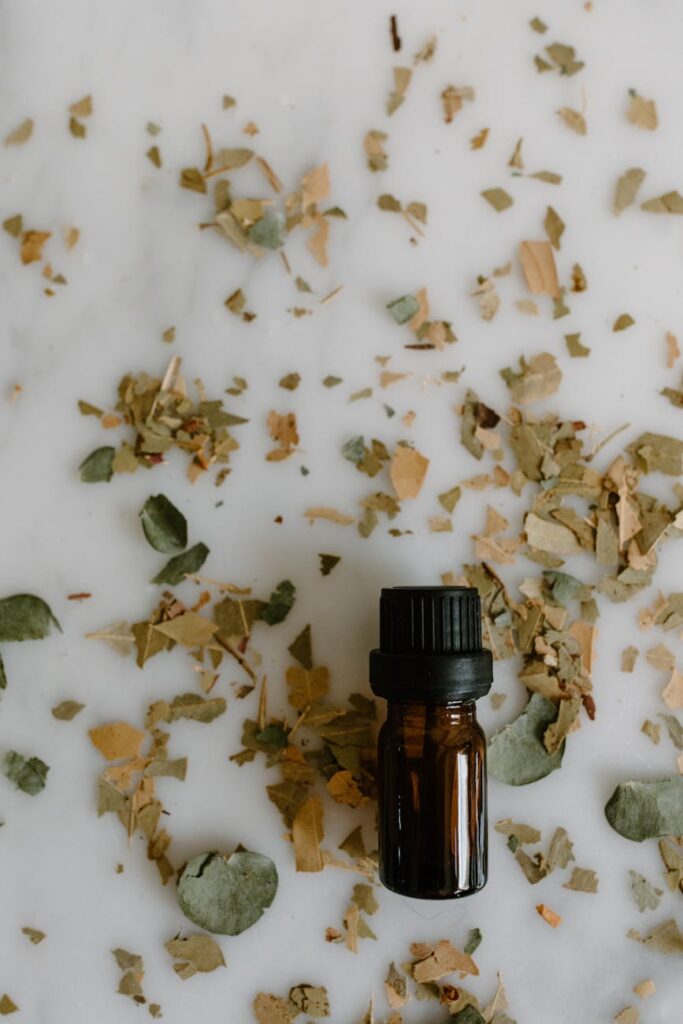
Complete Guide to Cranberry Extract
Introduction
Cranberry extract has garnered significant attention in both culinary and wellness circles due to its unique flavor profile and potential health benefits. Derived from the small, tart berries of the Vaccinium macrocarpon plant, cranberry extract is rich in vitamins, antioxidants, and phytochemicals. This comprehensive guide explores cranberry extract’s properties, benefits, and various applications, particularly in aromatherapy.
What Is Cranberry Extract?
Cranberry extract is a concentrated form of the cranberry fruit, typically produced through processes like drying, juicing, or pressing. The extract retains many of the beneficial components of the whole berry, including phenolic compounds, flavonoids, and vitamin C. The concentration of these compounds may vary depending on the extraction method and specific product formulation.
Cranberries are native to North America and are characterized by their bright red color and distinct tart flavor. Commonly consumed as juice, dried fruit, or in sauces, cranberries have been historically valued for their nutritional properties and culinary versatility.
Key Benefits and Properties
Cranberry extract is widely recognized for its numerous health-promoting properties, including:
1. Antioxidant Properties
Cranberries are a rich source of antioxidants, including proanthocyanidins, quercetin, and vitamin C. Antioxidants neutralize free radicals in the body, potentially reducing oxidative stress and supporting overall health.
2. Urinary Tract Health
Cranberry extract is often associated with urinary tract health. The unique compounds found in cranberries may help prevent bacteria from adhering to the urinary tract walls. This property has made cranberry extract popular in dietary supplements targeting urinary health.
3. Heart Health
Some studies suggest that cranberry extract may support cardiovascular health by improving cholesterol levels and reducing blood pressure. The antioxidants in cranberries may also benefit blood vessel function.
4. Anti-Inflammatory Effects
Cranberries contain compounds that may exhibit anti-inflammatory properties, which could help reduce inflammation in the body. Chronic inflammation is linked to various health issues, making this benefit particularly noteworthy.
5. Immune Support
The high vitamin C content in cranberry extract may bolster the immune system, contributing to overall health and wellness. Vitamin C is known for its role in supporting immune function and enhancing the body’s ability to fight off infections.
Common Uses
Cranberry extract is utilized in various forms, including:
- Dietary Supplements: Available in capsules, powders, or liquid forms, these supplements are popular for promoting urinary tract health.
- Culinary Applications: Used in sauces, jams, and beverages, cranberry extract can enhance flavor while providing nutritional benefits.
- Cosmetic Products: Due to its antioxidant properties, cranberry extract is incorporated into skincare formulations, such as creams and serums, aimed at promoting skin health.
- Allergies: Individuals with allergies to cranberries or related plants (such as blueberries or huckleberries) should exercise caution and consult a healthcare professional before use.
- Interactions with Medications: Cranberry extract may interact with certain medications, particularly blood thinners. It is advisable to consult with a healthcare professional before integrating cranberry extract into your routine if you are taking medications.
- Pregnancy and Breastfeeding: While cranberry is commonly consumed in food, pregnant and breastfeeding individuals should consult a healthcare provider before using concentrated forms of cranberry extract.
- Cool, Dark Place: Store cranberry extract in a cool, dark location, away from direct sunlight and heat sources.
- Sealed Containers: Keep the extract in its original, sealed container to prevent exposure to air and moisture, which can degrade its quality.
- Check Expiration Dates: Always adhere to the expiration date on the product packaging to ensure safety and potency.
Aromatherapy Applications
While cranberry extract is not as commonly used as essential oils in aromatherapy, it can still play a role in enhancing well-being. Here are some ways cranberry extract may be incorporated into aromatherapy practices:
1. Diffusion
Although cranberry extract itself is not typically diffused, products containing cranberry essential oil or fragrance can be added to a diffuser to create a refreshing and uplifting environment. The tart and fruity aroma can enhance mood and promote a sense of well-being.
2. Inhalation
Inhalation of cranberry-scented products can provide a sensory experience that may evoke feelings of energy and vitality, making it an interesting addition to a personal inhaler or aromatherapy blend.
3. Topical Application
Cranberry extract can be used in skin care formulations to enhance the benefits of essential oils. When blended with carrier oils, it may assist in nourishing the skin while delivering the antioxidant properties of cranberries.
Safety Considerations
Cranberry extract is generally considered safe for most individuals when used appropriately. However, some safety considerations include:
Storage and Shelf Life
To maintain the quality and efficacy of cranberry extract, proper storage is essential:
The shelf life of cranberry extract can vary depending on the processing method and storage conditions, but it is generally recommended to use it within one to two years of purchase.
Frequently Asked Questions
1. Is cranberry extract effective for urinary tract infections?
Cranberry extract is often associated with urinary tract health, but it should not be considered a standalone treatment for urinary tract infections (UTIs). It is advisable to consult a healthcare professional for appropriate treatment options.
2. Can cranberry extract be taken with other supplements?
While cranberry extract can generally be taken alongside other supplements, it is always best to consult with a healthcare provider to avoid potential interactions.
3. How much cranberry extract should I take daily?
The appropriate dosage of cranberry extract can vary widely based on individual needs, product formulation, and health goals. Following the manufacturer’s guidelines and consulting with a healthcare professional is recommended.
4. Are there any side effects associated with cranberry extract?
Cranberry extract is generally safe when consumed in moderation. However, some individuals may experience gastrointestinal discomfort or allergic reactions. It is important to monitor your body’s response and discontinue use if any adverse effects occur.
5. Can I use cranberry extract in cooking?
Yes, cranberry extract can be used in various culinary applications, including smoothies, sauces, and baked goods, to enhance flavor and nutritional value. However, it is essential to follow the recommended usage instructions provided by the manufacturer.
Conclusion
Cranberry extract is a versatile and nutritionally rich substance that offers numerous benefits, from supporting urinary tract health to providing antioxidant protection. While it can be enjoyed in various culinary and wellness applications, understanding its properties and potential uses is essential for maximizing its benefits. Always approach its use with an informed perspective, and consult with healthcare professionals as needed to tailor its incorporation into your daily routine.