
Complete Guide to Culinary Edible Plants
Introduction
Culinary edible plants have captured the attention of chefs, home cooks, and health enthusiasts alike. These plants not only enhance the flavor and aroma of dishes but also provide a myriad of nutritional and therapeutic benefits. This guide aims to explore the various types of culinary edible plants, their benefits, common uses, and applications in aromatherapy, ensuring a comprehensive understanding of their value in both the kitchen and wellness practices.
What Is Culinary Edible Plants?
Culinary edible plants encompass a wide range of species, including herbs, vegetables, fruits, and flowers that are safe for human consumption. They are utilized in cooking for their flavors, aromas, and nutritional properties. These plants can be sourced from gardens, markets, or grocery stores and are often categorized into several groups:
1. Herbs: These are typically leafy and aromatic parts of plants, such as basil, parsley, and cilantro.
2. Vegetables: This category includes a variety of plant parts, such as roots (carrots), stems (celery), and leaves (spinach).
3. Fruits: Edible fruits come from flowering plants and include apples, berries, and citrus.
4. Flowers: Certain flowers, like nasturtiums and violets, are edible and can be used in salads or as garnishes.
Culinary edible plants are not just limited to traditional varieties; many cultures incorporate unique plants into their cuisines, expanding the global palate.
Key Benefits and Properties
Culinary edible plants are rich in nutrients, offering various health benefits. While this guide does not provide medical advice, here are some common properties associated with these plants:
- Nutritional Value: Many edible plants are high in vitamins, minerals, and antioxidants. For instance, leafy greens are often rich in vitamins A, C, and K.
- Flavor Enhancement: Herbs and spices can significantly elevate the taste of dishes, making them more appealing and enjoyable.
- Digestive Support: Certain plants, such as ginger and peppermint, are known for their ability to aid digestion and soothe the stomach.
- Hydration: Fruits and vegetables often have high water content, contributing to hydration and overall health.
- Allergies: Some individuals may be allergic to specific herbs or plants. It is essential to be aware of any personal allergies before consuming new types of plants.
- Pesticides and Chemicals: When purchasing edible plants, especially from markets or stores, it is vital to choose organic options when possible to avoid exposure to harmful pesticides and chemicals.
- Toxic Plants: Not all plants are safe for consumption. It is crucial to properly identify any plant before consuming it. Familiarize yourself with edible versus inedible species to avoid any health risks.
- Refrigeration: Most fresh herbs can be stored in the refrigerator. Place them in a damp paper towel and store them in a plastic bag to keep them fresh for longer.
- Freezing: Some herbs can be chopped and frozen in ice cube trays with a bit of water or oil for easy future use.
- Cool, Dry Place: Root vegetables like potatoes and onions should be stored in a cool, dark, and dry place.
- Refrigeration: Leafy greens and other vegetables should be kept in the refrigerator, ideally in a crisper drawer.
- Room Temperature: Certain fruits, like bananas and avocados, are best stored at room temperature until ripe.
- Refrigeration: Once ripe, many fruits can be stored in the refrigerator to prolong their shelf life.
- Short Shelf Life: Edible flowers are delicate and should be used shortly after purchase. Store them in the refrigerator in a container with a damp paper towel.
Common Uses
Culinary edible plants are versatile and can be used in various ways:
Cooking
Edible plants are primarily used in cooking, where they can be incorporated into a wide array of dishes. Herbs are often added to sauces, soups, and salads, while vegetables can be steamed, roasted, or eaten raw. Fruits make excellent additions to desserts, smoothies, and snacks.
Garnishing
Edible flowers and herbs are frequently used for garnishing dishes, adding both visual appeal and flavor. A sprinkle of fresh herbs can transform a simple dish into a culinary masterpiece.
Infusions and Extracts
Many culinary plants can be used to make infusions, oils, or extracts that capture their flavors and aromas. For instance, basil-infused oil or vanilla extract can be used in various recipes.
Beverages
Edible plants are also popular in beverages. Herbal teas, fruit juices, and flavored waters often incorporate culinary plants for added taste and health benefits.
Aromatherapy Applications
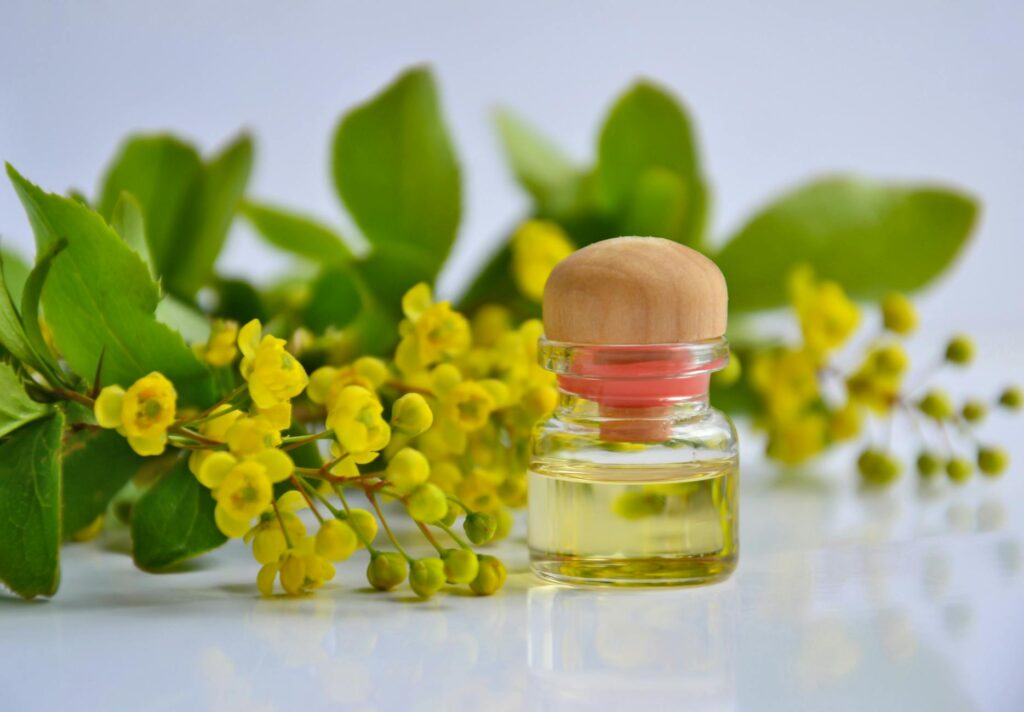
The aromatic properties of culinary edible plants extend beyond the kitchen and into the realm of aromatherapy. Many of these plants are known for their essential oils, which can be used in various ways:
Essential Oils
Herbs such as rosemary, thyme, and peppermint are not only culinary delights but also popular sources of essential oils. These oils can be diffused, inhaled, or applied topically (when diluted) to promote relaxation, focus, or invigorate the senses.
Culinary Aromatherapy
Using culinary plants in cooking can be considered a form of aromatherapy. The act of preparing food with fragrant herbs and spices not only enhances the meal but also engages the senses, creating a holistic experience.
Scented Candles and Incense
Some culinary plants are also used in the production of scented candles and incense. The aromas of cinnamon, vanilla, and citrus can create a calming atmosphere and enhance mood.
Safety Considerations
While many culinary edible plants are safe to consume, there are important safety considerations to keep in mind:
Storage and Shelf Life
Proper storage of culinary edible plants is essential to maintain their freshness and flavor. Here are some general guidelines:
Herbs
Vegetables
Fruits
Edible Flowers
Frequently Asked Questions
1. Can all herbs be used in cooking?
Not all herbs are suitable for culinary use. Some may be toxic or have strong flavors that are not palatable. Always research and ensure the plant is edible before use.
2. How can I grow my own culinary edible plants?
Many culinary edible plants can be grown in containers or gardens. Ensure they have adequate sunlight, water, and nutrients. Start with easy-to-grow herbs like basil, mint, or chives.
3. Are there any culinary edible plants that should be avoided?
Certain plants, such as some wild mushrooms or berries, can be toxic. It is crucial to have a reliable identification guide or consult an expert when foraging for wild edible plants.
4. What is the best way to preserve herbs?
Freezing, drying, or making herb-infused oils are effective ways to preserve herbs. Each method has its advantages, depending on how you plan to use the herbs later.
5. Can I use essential oils from culinary plants in cooking?
While some essential oils are safe for culinary use, many are not. Always check the label and ensure they are food-safe before using them in cooking.
Conclusion
Culinary edible plants are a remarkable aspect of both gastronomy and holistic wellness. Their versatility, flavor, and potential health benefits make them invaluable in kitchens and aromatherapy practices around the world. By understanding their properties, uses, and safety considerations, one can appreciate the rich tapestry of flavors and aromas these plants contribute to our lives. Whether you grow them in your garden or purchase them from a local market, culinary edible plants offer an exciting journey into the world of taste and wellness.