
Complete Guide to Culinary Herbs
Introduction
Culinary herbs are integral components of global cuisines, celebrated not only for their ability to enhance flavor but also for their aromatic qualities and potential health benefits. These herbs, often used fresh or dried, are derived from various plant parts such as leaves, stems, and flowers. This guide aims to provide a comprehensive overview of culinary herbs, exploring their definitions, benefits, uses, and more.
What Are Culinary Herbs?
Culinary herbs are plants that are cultivated for their flavorful and aromatic leaves, flowers, or stems, which are used to enhance the taste of food. Unlike spices, which are derived from other parts of the plant such as seeds, bark, or roots, culinary herbs primarily focus on the leafy green parts. Common examples include basil, parsley, cilantro, rosemary, and thyme. These herbs can be used fresh or dried and are often a staple in cooking across various cultures.
Distinction from Spices
While both culinary herbs and spices enhance food, the main distinction lies in their plant origins and parts used. Herbs are typically soft-stemmed and leafy, while spices are often derived from seeds, roots, or barks. Understanding this difference is essential for proper culinary application.
Key Benefits and Properties
Culinary herbs are not only valued for their taste but also for their various properties, which can contribute to overall culinary experiences. Here are some of the key benefits:
1. Flavor Enhancement: Culinary herbs impart distinct flavors, ranging from savory to sweet, and can elevate the overall taste profile of dishes.
2. Aromatic Qualities: Many herbs possess strong aromatic compounds, making them ideal for enhancing the sensory experience of food.
3. Nutritional Value: While not a primary source of nutrition, herbs can contribute vitamins and minerals, providing additional benefits when incorporated into meals.
4. Antioxidant Properties: Some culinary herbs are rich in antioxidants, which can help combat oxidative stress in the body.
5. Culinary Versatility: Culinary herbs can be used in a variety of cuisines, making them adaptable across different culinary traditions.
Common Uses
Culinary herbs have a wide range of applications in cooking. Here are some of the most common uses:
Seasoning Dishes
Herbs are commonly used to season a variety of dishes, including soups, stews, salads, and sauces. Fresh herbs are often added at the end of the cooking process to preserve their flavor and aroma.
Garnishing
Many culinary herbs serve as garnishes for dishes, enhancing not only the visual appeal but also contributing an additional layer of flavor. For instance, freshly chopped parsley on a plate can elevate the presentation of a meal.
Infusions and Oils
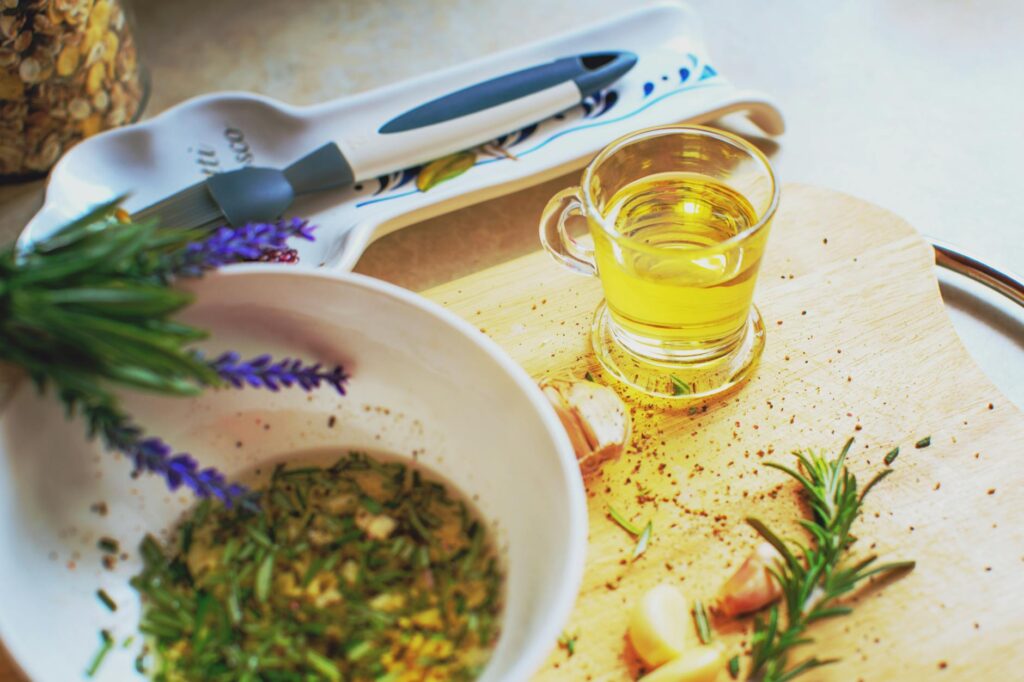
Culinary herbs can be infused into oils and vinegars, creating flavorful condiments that enhance dressings and marinades. For example, basil-infused olive oil can be drizzled over salads or used for dipping bread.
Herbal Teas
Certain culinary herbs can be used to create herbal teas, which are both refreshing and aromatic. Herbs such as mint and chamomile are commonly brewed into calming beverages.
Preservation
Herbs can also play a role in food preservation. For instance, herbs like rosemary and thyme contain natural preservatives that can extend the shelf life of certain foods.
Aromatherapy Applications
While primarily used in cooking, many culinary herbs also have applications in aromatherapy. Their essential oils can be extracted and utilized for various purposes, including:
Stress Relief
Certain culinary herbs, such as lavender and chamomile, are well-known for their calming properties. Their essential oils can be used in diffusers or added to baths to promote relaxation.
Mood Enhancement
Aromas from herbs like rosemary and basil can invigorate the senses and uplift mood. Incorporating these scents into daily routines can contribute to a more positive atmosphere.
Respiratory Support
Herbs such as eucalyptus and thyme are commonly used in aromatherapy for their potential benefits in supporting respiratory health. Their essential oils may be diffused or inhaled for a refreshing experience.
Safety Considerations
While culinary herbs are generally safe for consumption, there are a few important considerations to keep in mind:
Allergies
Some individuals may be allergic to specific herbs. It is advisable to conduct a patch test or consult with a knowledgeable individual if trying a new herb for the first time.
Interactions with Medications
Certain herbs may interact with medications. It is prudent to consult with a healthcare professional if you are on medication and intend to incorporate culinary herbs into your diet.
Quality of Source
When purchasing culinary herbs, consider sourcing them from reputable suppliers to ensure quality and safety. Contaminants can sometimes be present in lower-quality products.
Storage and Shelf Life
Proper storage is essential for maintaining the flavor and aroma of culinary herbs. Here are some guidelines for different forms of herbs:
Fresh Herbs
- Storage: Fresh herbs should be stored in the refrigerator. It is often beneficial to place them upright in a jar with water, similar to flowers, and cover the tops loosely with a plastic bag.
- Shelf Life: Fresh herbs generally last about 1-2 weeks in the refrigerator, depending on the variety.
- Storage: Dried herbs should be stored in airtight containers in a cool, dark place, away from direct sunlight.
- Shelf Life: Dried herbs can last from six months to several years, depending on the type. However, their potency diminishes over time, so it’s best to replace them regularly.
- Storage: Fresh herbs can also be frozen for longer storage. They can be chopped and placed in ice cube trays with water or oil for easy use later.
- Shelf Life: Frozen herbs can maintain their flavor for up to six months.
Dried Herbs
Frozen Herbs
Frequently Asked Questions
Can I grow culinary herbs at home?
Yes, many culinary herbs are suitable for home gardening. Herbs like basil, parsley, and mint thrive in pots and can be grown indoors or outdoors.
How do I know which herbs to use in my cooking?
Choosing herbs depends on personal preference and the type of dish. Familiarizing yourself with common pairings can help enhance your cooking. For example, basil pairs well with tomatoes, while rosemary complements roasted meats.
Are dried herbs as effective as fresh herbs?
Dried herbs are convenient and can be just as flavorful as fresh herbs, though typically more concentrated. When substituting dried herbs for fresh, a general rule of thumb is to use one-third the amount of dried herbs.
Can I use culinary herbs in non-cooking applications?
Absolutely! Culinary herbs can be used in teas, infused oils, and even in skincare products. Their versatility extends beyond the kitchen.
What is the best way to preserve the flavor of fresh herbs?
To preserve the flavor of fresh herbs, store them properly and use them soon after harvesting. Additionally, consider drying or freezing herbs for future use.
Conclusion
Culinary herbs are a delightful and essential component of cooking, offering a spectrum of flavors, aromas, and potential benefits. Their versatility allows them to be used in countless dishes and applications, making them a favorite among chefs and home cooks alike. By understanding their properties, uses, and storage methods, one can fully appreciate the role of culinary herbs in both the culinary arts and everyday life. Whether you are a seasoned chef or a novice cook, incorporating these herbs into your kitchen will undoubtedly enhance your culinary creations.