
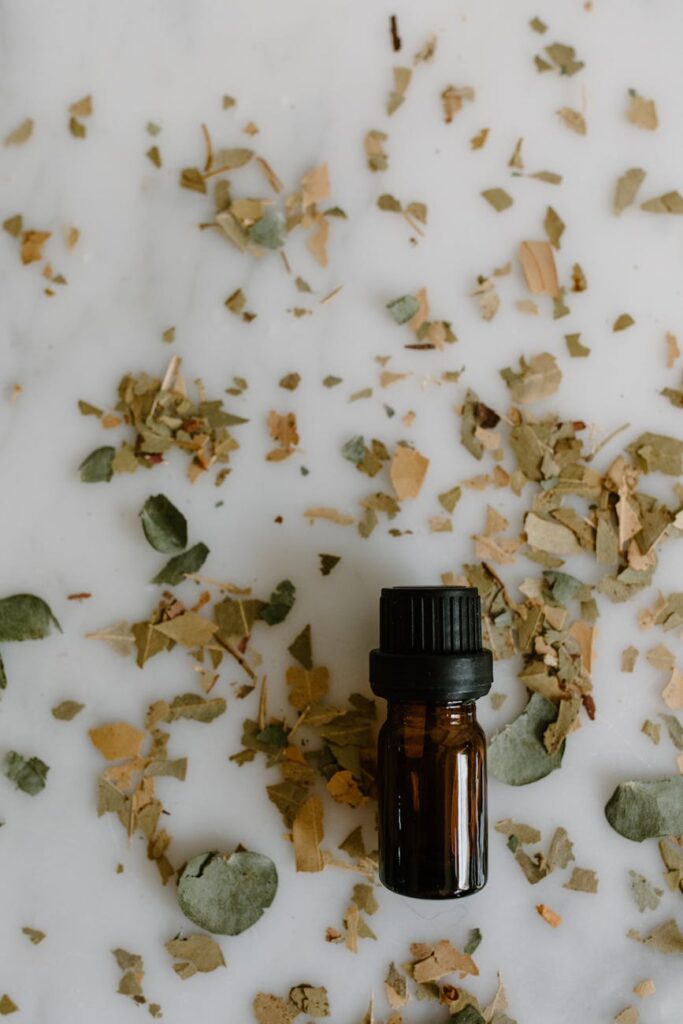
Complete Guide to Cypress Oil Part 1
Introduction
Cypress oil, derived from the needles, twigs, and cones of the Cypress tree, has been revered for centuries for its aromatic and therapeutic properties. This essential oil, which carries a fresh and woody scent, is not only a staple in aromatherapy but also finds applications in various holistic practices. In this guide, we will explore the origins of cypress oil, its benefits, common uses, applications in aromatherapy, safety considerations, storage methods, and address frequently asked questions.
What Is Cypress Oil?
Cypress oil is extracted through steam distillation from the leaves and twigs of several species of the Cupressus tree, most notably Cupressus sempervirens, commonly known as the Mediterranean cypress. This evergreen tree is native to the Mediterranean region but is cultivated in many parts of the world for its timber and essential oil. The oil is characterized by its pale yellow to greenish color, with a fresh, woody aroma that often evokes feelings of grounding and calm.
Key Benefits and Properties
Cypress oil is known for a variety of beneficial properties, making it a versatile component in both aromatherapy and holistic practices. Some of the key benefits and properties include:
Astringent
Cypress oil has astringent properties, which can help tighten and tone the skin. This quality makes it a popular choice in skincare formulations, particularly for oily or acne-prone skin.
Antiseptic
The oil possesses mild antiseptic qualities, which can be useful in cleansing and purifying the skin. It may help in preventing infections and supporting skin health.
Relaxant
Cypress oil is often used for its calming effects. The aroma is believed to reduce feelings of anxiety and stress, promoting a sense of emotional balance and tranquility.
Circulatory Support
Some practitioners suggest that cypress oil may support healthy circulation, making it a common choice in massage blends aimed at promoting blood flow and reducing the appearance of varicose veins.
Respiratory Aid
Inhalation of cypress oil can be soothing for the respiratory system. Its fresh scent may help clear the airways and promote easier breathing.
Common Uses
Cypress oil is utilized in a wide range of applications, both in aromatherapy and beyond. Some common uses include:
Skincare
Due to its astringent and antiseptic properties, cypress oil is often incorporated into skincare products such as facial cleansers, toners, and masks. It may be beneficial for oily or blemish-prone skin.
Massage
Cypress oil is a popular choice in massage therapy. Its relaxing properties can enhance the massage experience, while its circulation-supporting qualities may help relieve tension in the muscles.
Home Fragrance
The fresh, woody scent of cypress oil makes it an excellent addition to home fragrance products, including candles, diffusers, and room sprays. Its aroma can create a calming atmosphere in living spaces.
Bath Products
Cypress oil can be added to bath products for a soothing experience. It may help to relax the mind and body, making it a popular choice for bath oils and salts.
Natural Cleaning Products
The antiseptic properties of cypress oil lend themselves well to natural cleaning products. It can be added to homemade cleaners for a refreshing fragrance and added antibacterial benefits.
Aromatherapy Applications
Aromatherapy is a holistic healing practice that utilizes essential oils to promote physical and emotional well-being. Cypress oil can be incorporated into various aromatherapy methods:
Diffusion
One of the simplest ways to enjoy the benefits of cypress oil is through diffusion. Adding a few drops to a diffuser allows the oil’s aroma to fill the room, promoting a calming and grounding atmosphere.
Inhalation
For a more direct approach, cypress oil can be inhaled. A drop or two can be placed on a tissue or cotton ball, or simply inhaled directly from the bottle. This method can quickly provide the oil’s soothing benefits.
Topical Application
Cypress oil can be diluted with a carrier oil (such as jojoba or sweet almond oil) and applied topically. This method is often used for skin care and massage.
Bathing
Adding a few drops of cypress oil to a warm bath can enhance relaxation and promote a sense of calm. It can be mixed with a carrier oil or an emulsifier, like milk or honey, to help disperse the oil in water.
Safety Considerations
While cypress oil is generally regarded as safe for most people when used appropriately, there are several safety considerations to keep in mind:
Skin Sensitivity
As with any essential oil, cypress oil should be diluted with a carrier oil before topical application to minimize the risk of skin irritation. A patch test is recommended to check for any adverse reactions.
Pregnancy and Breastfeeding
Pregnant or breastfeeding individuals should consult a healthcare professional before using cypress oil, as the effects are not well-studied in these populations.
Pre-existing Conditions
Individuals with specific health conditions or those taking medications should consult a healthcare provider before using cypress oil, particularly if they have blood clotting disorders or are undergoing surgery.
Keep Away from Eyes
Cypress oil should be kept away from the eyes and mucous membranes. If accidental contact occurs, rinse thoroughly with a carrier oil or water.
Storage and Shelf Life
Proper storage is essential for maintaining the quality of cypress oil. To ensure longevity:
Storage Conditions
- Store cypress oil in a cool, dark place, away from direct sunlight and heat sources.
- It is best kept in a tightly sealed dark glass bottle to prevent light degradation.
Shelf Life
Cypress oil has a shelf life of approximately 3 to 5 years, depending on the quality of the oil and storage conditions. Over time, the oil may lose its potency and aromatic qualities.
Frequently Asked Questions
Is cypress oil safe for children?
Cypress oil should be used with caution around children. It is advisable to consult a healthcare provider for guidance on safe usage.
Can cypress oil be ingested?
Ingesting essential oils is generally not recommended without the supervision of a qualified healthcare professional. Always consult an expert before considering internal use.
How does cypress oil blend with other oils?
Cypress oil blends well with other essential oils, including lavender, lemon, and rosemary. These combinations can enhance the aromatic experience and therapeutic effects.
What should I do if I experience skin irritation?
If you experience skin irritation after using cypress oil, discontinue use immediately and wash the area with soap and water. If irritation persists, consult a healthcare professional.
Where can I purchase high-quality cypress oil?
Cypress oil can be found at health food stores, specialty aromatherapy shops, and reputable online retailers. Look for oils that are 100% pure and sourced from reputable manufacturers.
Conclusion
Cypress oil is a versatile and valuable essential oil with a rich history and numerous applications. Its unique properties make it a popular choice in aromatherapy and natural wellness practices. In the next part of this guide, we will delve deeper into specific recipes, blending techniques, and further explore the multifaceted uses of cypress oil in daily life.