
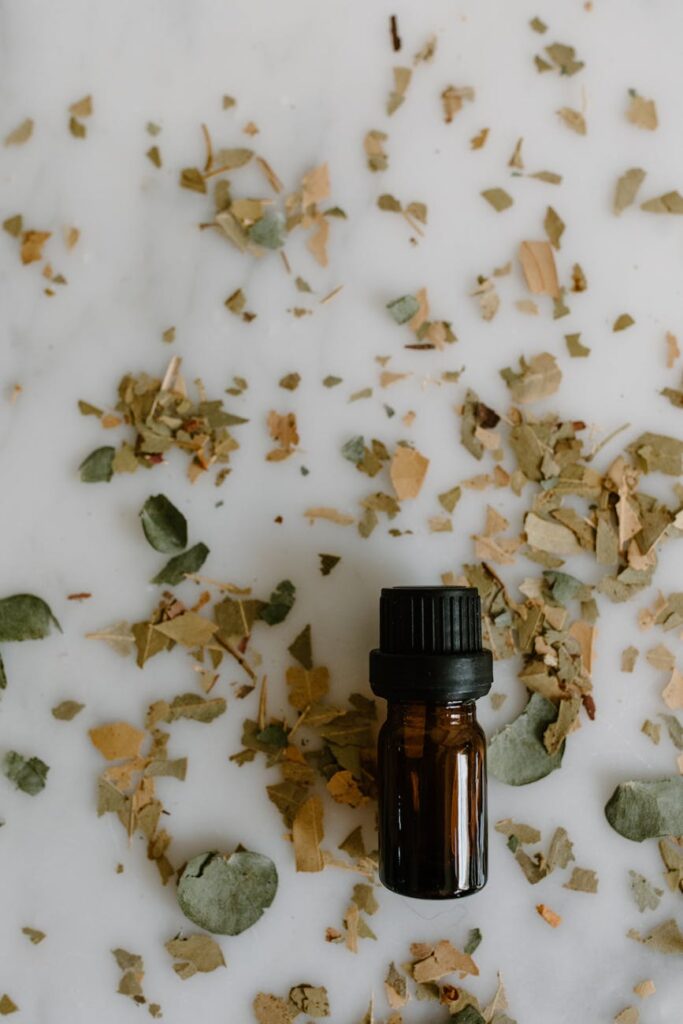
Complete Guide to Cypress Oil Part 1
Introduction
Cypress oil, derived from the leaves and twigs of the cypress tree, has been utilized for centuries in various cultures for its aromatic properties and potential benefits. As an essential oil, it has garnered attention in the fields of aromatherapy and natural health, finding its place among a variety of other botanical extracts. This guide aims to provide a comprehensive overview of cypress oil, exploring its origins, properties, uses, and safety considerations.
What Is Cypress Oil?
Cypress oil is extracted from several species of cypress trees, most commonly Cupressus sempervirens, also known as the Mediterranean or Italian cypress. The extraction process generally involves steam distillation, which captures the oil’s aromatic compounds while preserving its natural properties. The resulting oil has a fresh, woody aroma with subtle earthy undertones, making it a popular choice for various applications.
Historically, cypress trees have been associated with strength and resilience, often used in funerary rites and meant to symbolize protection and healing. Today, cypress oil is celebrated not only for its fragrance but also for its versatile properties in aromatherapy and holistic practices.
Key Benefits and Properties
Cypress oil is lauded for several key benefits and properties, primarily due to its unique composition of compounds such as alpha-pinene, beta-pinene, and camphene. These constituents contribute to its distinct characteristics, which include:
- Astringent Qualities: Cypress oil is known for its astringent properties, which may help tighten and tone tissues. This property makes it a favored ingredient in skincare formulations.
- Antimicrobial Action: Some studies suggest that cypress oil possesses antimicrobial properties, potentially making it effective against certain bacteria and fungi.
- Relaxation and Stress Relief: The calming aroma of cypress oil can promote relaxation, making it a popular choice for stress relief in aromatherapy.
- Respiratory Support: The fresh, woody scent of cypress oil is often used to help clear the airways, providing a sense of relief during respiratory discomfort.
- Circulatory Support: Cypress oil is sometimes associated with promoting healthy circulation, which can be beneficial for overall well-being.
- Aromatherapy Diffusion: Cypress oil is commonly used in diffusers to create a calming atmosphere. Its aroma can help alleviate feelings of stress and anxiety.
- Massage Oil: When blended with a carrier oil, cypress oil can be incorporated into massage therapy, promoting relaxation and circulation.
- Skincare: Due to its astringent properties, cypress oil is often added to skincare products to help tone the skin and may be beneficial for oily and acne-prone skin.
- Household Cleaning: The antimicrobial properties of cypress oil can be harnessed in homemade cleaning solutions, providing a natural alternative to chemical cleaners.
- Bath Soaks: Adding a few drops of cypress oil to bathwater can create a soothing and aromatic experience, enhancing relaxation.
- Diffusion: Add a few drops of cypress oil to a diffuser to disperse its aromatic properties throughout a room. This can create a tranquil environment conducive to relaxation or meditation.
- Inhalation: Inhaling the aroma directly from the bottle or from a cotton ball can provide immediate calming effects, helping to alleviate anxiety or tension.
- Topical Application: When diluted with a carrier oil, cypress oil can be massaged onto specific areas of the body. This method can be particularly useful for those seeking muscle relaxation or improved circulation.
- Blending: Cypress oil blends well with a variety of other essential oils, including lavender, bergamot, and rosemary. This versatility allows for the creation of personalized blends tailored to individual preferences and needs.
- Dilution: Always dilute cypress oil with a carrier oil before applying it topically to minimize the risk of skin irritation.
- Patch Test: Conduct a patch test on a small area of skin to check for any allergic reactions or sensitivities.
- Consultation: If you are pregnant, nursing, or have any underlying health conditions, it is advisable to consult with a qualified healthcare professional before using cypress oil.
- Avoid Ingestion: Cypress oil is intended for external use and should not be ingested unless under the guidance of a qualified professional.
- Storage: Store cypress oil in a cool, dark place away from direct sunlight. A glass container with a tight-fitting lid is recommended to prevent oxidation and degradation.
- Shelf Life: When stored correctly, cypress oil typically has a shelf life of about 3 to 5 years. Over time, the aroma and properties may diminish, so it is advisable to periodically check for changes in scent or consistency.
Common Uses
Cypress oil is versatile and can be utilized in various ways, including:
Aromatherapy Applications
In the realm of aromatherapy, cypress oil can be utilized in various ways to promote emotional and physical well-being. Here are some common applications:
Safety Considerations
While cypress oil is generally regarded as safe for most individuals when used appropriately, it is essential to adhere to safety guidelines:
Storage and Shelf Life
Proper storage of cypress oil is crucial to maintaining its quality and efficacy. Here are some guidelines:
Frequently Asked Questions
1. Can cypress oil be used in skincare products?
Yes, cypress oil can be used in skincare formulations, particularly for its astringent properties. It is often added to products intended for oily or acne-prone skin.
2. Is cypress oil safe for children?
Cypress oil can be used with caution in children. It is advisable to consult with a healthcare professional for guidance on safe usage and appropriate dilutions.
3. How can I use cypress oil for stress relief?
Cypress oil can be diffused in a room, inhaled directly from the bottle, or used in a massage blend with a carrier oil to promote relaxation and alleviate stress.
4. Does cypress oil have any contraindications?
While cypress oil is considered safe for most individuals, it is essential to consult a healthcare professional if you have specific health concerns, are pregnant, or are nursing.
5. Can I mix cypress oil with other essential oils?
Yes, cypress oil blends well with various essential oils, including lavender, bergamot, and frankincense. Experimenting with different combinations can yield unique aromas and benefits.
—
In this first part of the guide, we have explored the fundamental aspects of cypress oil, including its origins, benefits, and common applications. In Part 2, we will delve deeper into specific recipes, blending techniques, and case studies that illustrate the versatility of cypress oil in everyday life.