
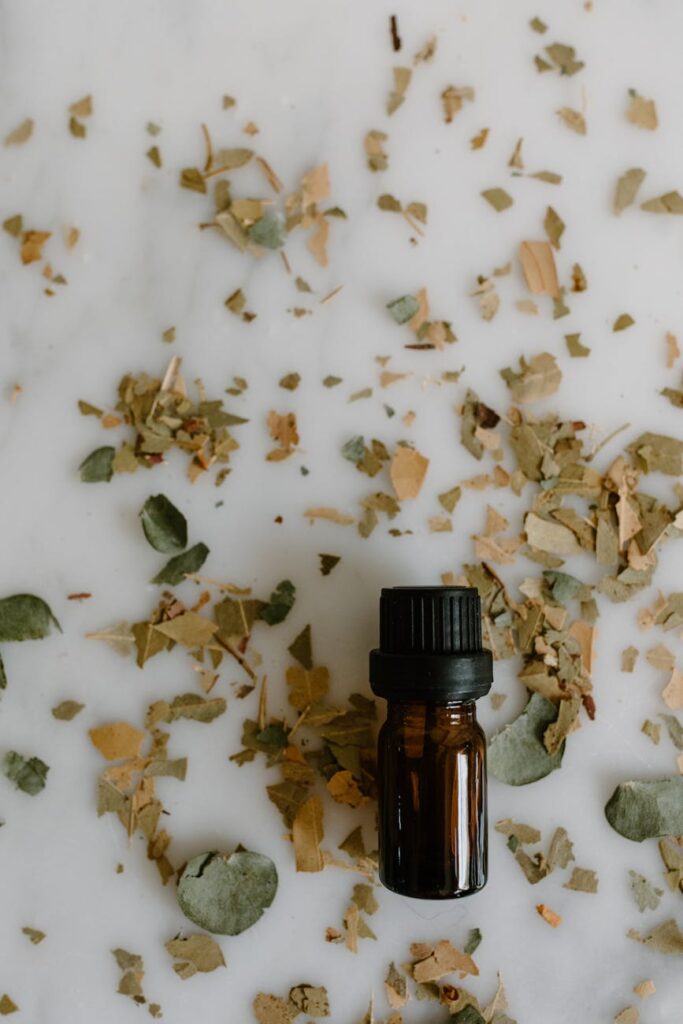
Complete Guide to Cypress Oil Part 2
Introduction
Cypress oil, derived from the leaves and twigs of the Cupressus tree, has been revered for centuries for its aromatic properties and potential benefits. This guide will delve deeper into the characteristics, uses, and safety considerations related to cypress oil, providing a comprehensive overview for those interested in its applications in aromatherapy and beyond.
What Is Cypress Oil?
Cypress oil is an essential oil extracted from the wood, leaves, and twigs of various species of cypress trees, primarily through steam distillation. The most commonly used species in essential oil production include Cupressus sempervirens (Mediterranean cypress) and Cupressus leylandii (Leyland cypress). The oil has a fresh, woody scent, often characterized as invigorating and calming.
The oil is rich in monoterpenes, sesquiterpenes, and other compounds that contribute to its unique aroma and potential therapeutic properties. Cypress oil has been utilized in various cultural practices, from ancient Egyptian rituals to modern-day aromatherapy, highlighting its enduring popularity.
Key Benefits and Properties
Cypress oil is lauded for several key benefits and properties, including:
1. Astringent Properties
Cypress oil is known for its astringent qualities, which can help tighten and tone tissues. This property makes it popular in skincare formulations.
2. Antiseptic and Antifungal
Research indicates that cypress oil possesses antiseptic and antifungal properties, making it useful in cleansing and purifying the skin.
3. Calming and Grounding
The oil is often associated with calming effects, helping to alleviate feelings of anxiety and promoting relaxation, which is particularly beneficial in aromatherapy practices.
4. Circulatory Support
While not a substitute for medical care, cypress oil is believed to support healthy circulation. Its use in massage blends can help stimulate blood flow and promote a sense of warmth.
5. Respiratory Support
The invigorating scent of cypress oil can support respiratory health, making it a common choice in diffusers to promote clearer breathing.
Common Uses
Cypress oil finds its way into various applications, including:
1. Skincare
Due to its astringent and antiseptic properties, cypress oil is often incorporated into skincare products for oily or acne-prone skin. It can help balance sebum production and reduce the appearance of blemishes.
2. Haircare
Cypress oil can be beneficial in hair products, helping to stimulate the scalp and promote healthy hair growth. Its antiseptic nature also makes it a good choice for addressing dandruff.
3. Massage
Incorporating cypress oil into massage oils can enhance the experience by promoting relaxation and improving circulation. It is often combined with carrier oils such as sweet almond or jojoba oil.
4. Home Fragrance
Cypress oil can be used in diffusers, candles, and potpourri to create a refreshing and grounding atmosphere in living spaces.
5. Personal Care Products
From deodorants to foot sprays, cypress oil’s natural deodorizing properties make it a popular ingredient in personal care items.
Aromatherapy Applications
Cypress oil is widely used in aromatherapy, where its unique scent and properties can be harnessed for emotional and physical benefits. Here are some common aromatherapy applications:
1. Diffusion
Adding a few drops of cypress oil to a diffuser can create a calming and grounding environment. It is often combined with other essential oils like lavender or bergamot for enhanced relaxation.
2. Inhalation
Inhaling cypress oil directly from the bottle or a cotton pad can provide immediate uplifting effects, making it useful during moments of stress or anxiety.
3. Topical Application
Blending cypress oil with a carrier oil for topical application can target specific areas of concern, such as the skin or muscles. It is advisable to perform a patch test prior to widespread use.
4. Bathing
Adding a few drops of cypress oil to bathwater can create a soothing experience that promotes relaxation and alleviates tension.
5. Meditation and Spiritual Practices
The grounding aroma of cypress oil can enhance meditation practices, helping to create a serene atmosphere conducive to mindfulness and reflection.
Safety Considerations
While cypress oil is generally considered safe for use, it is essential to follow certain guidelines to minimize risks:
1. Dilution
Always dilute cypress oil with a carrier oil before applying it to the skin. A common dilution ratio is 2-3 drops of essential oil per teaspoon of carrier oil.
2. Skin Sensitivity
Perform a patch test on a small area of skin to check for any adverse reactions before using cypress oil more extensively.
3. Pregnancy and Nursing
Pregnant or nursing individuals should consult a qualified healthcare provider before using cypress oil, as its effects during these periods are not well studied.
4. Avoid Ingestion
Cypress oil is not intended for internal use. Always keep essential oils out of reach of children and avoid ingestion.
5. Pre-existing Conditions
Individuals with pre-existing health conditions, particularly those affecting the skin or respiratory system, should consult a healthcare professional prior to using cypress oil.
Storage and Shelf Life
Proper storage of cypress oil is crucial to maintaining its potency and quality:
1. Storage Conditions
Keep cypress oil in a cool, dark place, away from direct sunlight and heat sources. This will help preserve its aromatic properties.
2. Container Type
Store cypress oil in dark glass containers, as these protect the oil from light degradation. Ensure the container is tightly sealed to prevent oxidation.
3. Shelf Life
Cypress oil typically has a shelf life of 3-5 years if stored correctly. Regularly check for any changes in smell, color, or consistency, which may indicate that the oil has gone rancid.
Frequently Asked Questions
1. Can cypress oil be used in cooking?
No, cypress oil is not recommended for culinary use. It is intended for topical and aromatic applications only.
2. What are the best essential oils to blend with cypress oil?
Cypress oil blends well with a variety of essential oils, including lavender, bergamot, and rosemary, enhancing its calming and grounding properties.
3. Is cypress oil safe for children?
Cypress oil may not be suitable for young children. It is advisable to consult a healthcare provider or aromatherapy expert before using it with children.
4. How can I incorporate cypress oil into my daily routine?
You can use cypress oil in diffusers, massage oils, or skincare products to enhance your daily wellness routine.
5. Where can I purchase high-quality cypress oil?
High-quality cypress oil can be found at reputable health stores, online retailers, or specialty shops dedicated to essential oils. Always look for products that are 100% pure and preferably organic.
Conclusion
Cypress oil is a versatile essential oil with a rich history and a wide range of applications. From skincare to aromatherapy, its unique properties make it a valuable addition to wellness practices. By understanding its benefits and following safety considerations, individuals can effectively incorporate cypress oil into their daily routines for a more balanced and harmonious life.