
Complete Guide to Cypress Oil Part 3
Introduction
Cypress oil, derived from the leaves and twigs of the Cupressus tree, has been utilized for centuries for its aromatic qualities and potential therapeutic properties. Known for its fresh, woody scent, cypress oil is a staple in the world of essential oils and aromatherapy. This article will explore the various aspects of cypress oil, including its composition, benefits, applications, and safety considerations, while providing a comprehensive understanding of its role in holistic practices.
What Is Cypress Oil?
Cypress oil is an essential oil extracted from the Cupressus species of trees, predominantly found in Mediterranean regions, as well as parts of North America and Asia. The extraction process typically involves steam distillation, which captures the plant’s aromatic compounds in a concentrated form. The resulting oil is characterized by its clean, crisp fragrance, reminiscent of a forest after rain.
The main components of cypress oil include alpha-pinene, beta-pinene, camphene, and cedrol. These constituents contribute not only to its distinctive scent but also to its potential therapeutic effects, making cypress oil a valuable asset in both aromatherapy and natural wellness practices.
Key Benefits and Properties
Cypress oil is celebrated for a variety of potential benefits, which stem from its unique chemical composition. Some of the notable properties include:
- Astringent: Cypress oil is known for its astringent qualities, making it beneficial for tightening and toning the skin.
- Antiseptic: The oil’s antiseptic properties can help in cleansing minor wounds and cuts, potentially reducing the risk of infection.
- Sedative: Cypress oil may have calming effects, promoting relaxation and reducing feelings of anxiety.
- Circulatory Support: Some proponents suggest that cypress oil may help stimulate circulation, which can be beneficial for overall vitality.
- Antimicrobial: The antibacterial and antifungal characteristics of cypress oil make it useful in various formulations aimed at promoting skin health.
- Aromatherapy: Cypress oil is frequently used in diffusers to create a calming atmosphere, often employed for meditation or relaxation practices.
- Skincare: Due to its astringent properties, cypress oil is often incorporated into skincare products aimed at oily or acne-prone skin.
- Massage: The oil can be diluted in a carrier oil and used in massage blends to promote relaxation and alleviate muscle tension.
- Household Cleaning: Its antimicrobial properties make cypress oil a popular ingredient in natural cleaning products.
- Personal Fragrance: The unique scent of cypress oil makes it suitable for use in perfumes and colognes.
- Diffusion: Add a few drops of cypress oil to a diffuser to fill a room with its refreshing scent. This can help create a serene environment conducive to relaxation and meditation.
- Inhalation: Inhale the aroma directly from the bottle or add a few drops to a tissue to experience its calming effects.
- Baths: A few drops of cypress oil can be added to bathwater, providing a soothing experience that may alleviate stress and tension.
- Blending: Cypress oil blends well with other essential oils, such as lavender, bergamot, and cedarwood, creating a harmonious and uplifting aromatic profile.
- Dilution: Always dilute cypress oil with a carrier oil before applying it to the skin to avoid irritation.
- Pregnancy and Nursing: Pregnant and nursing individuals should consult a healthcare professional before using cypress oil, as its effects during these periods are not well-documented.
- Allergies: Individuals with known allergies to coniferous plants should perform a patch test before using cypress oil.
- Children: The use of cypress oil in children should be approached with caution; always seek guidance from a knowledgeable practitioner.
- Medical Conditions: Those with existing medical conditions should consult a healthcare professional before using cypress oil, especially if they are on medication.
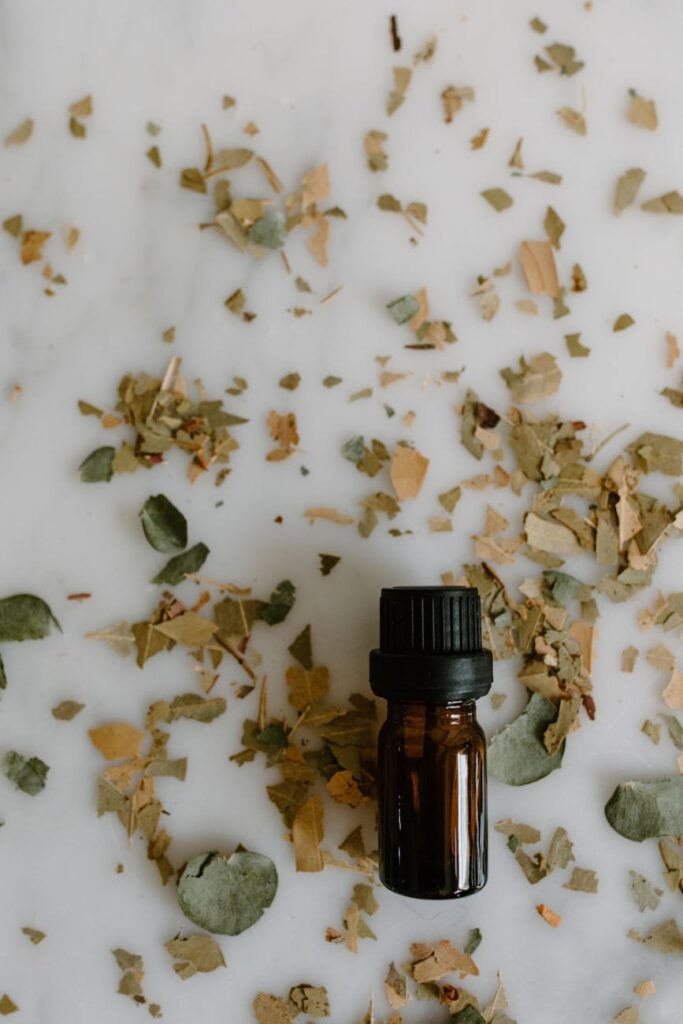
- Container: Store cypress oil in a dark glass bottle to protect it from light, which can degrade the oil over time.
- Temperature: Keep the oil in a cool, dry place, away from direct sunlight and heat sources to prevent oxidation.
- Shelf Life: When stored properly, cypress oil typically has a shelf life of 2 to 3 years. However, it is advisable to check for any changes in aroma or consistency before use.
While these properties are widely acknowledged, individual experiences with cypress oil may vary, and further research is necessary to substantiate many of these claims.
Common Uses
Cypress oil has a diverse range of applications in various fields. Below are some common uses:
Aromatherapy Applications
In the realm of aromatherapy, cypress oil is highly regarded for its ability to promote emotional balance and mental clarity. Here are some specific applications:
Safety Considerations
While cypress oil is generally regarded as safe when used appropriately, certain precautions should be observed:
Storage and Shelf Life
To maintain the quality and efficacy of cypress oil, proper storage is essential. Here are some guidelines:
Frequently Asked Questions
1. Can cypress oil be ingested?
Cypress oil is primarily intended for external use and aromatherapy. Ingestion is not recommended without the guidance of a qualified healthcare professional.
2. Is cypress oil suitable for sensitive skin?
Cypress oil may cause irritation in sensitive individuals. It is essential to perform a patch test before applying it to larger areas of skin.
3. Can cypress oil help with stress and anxiety?
Many users report that cypress oil has calming effects, but individual experiences may vary. It is often utilized in aromatherapy to promote relaxation.
4. How can I incorporate cypress oil into my skincare routine?
Cypress oil can be diluted with a carrier oil and applied to the skin or added to skincare formulations designed for oily or acne-prone skin types.
5. Are there any contraindications for using cypress oil?
Individuals with allergies to coniferous plants, pregnant or nursing women, and those with specific medical conditions should consult a healthcare professional before using cypress oil.
Conclusion
Cypress oil is a versatile essential oil with a rich history and a multitude of applications. From its aromatic benefits in the realm of aromatherapy to its potential skin-enhancing properties, cypress oil offers a unique contribution to holistic practices. When utilized safely and appropriately, cypress oil can be a valuable addition to one’s collection of essential oils, promoting emotional well-being and enhancing everyday experiences. Always prioritize safety and consult with knowledgeable sources when integrating new essential oils into your routine.