
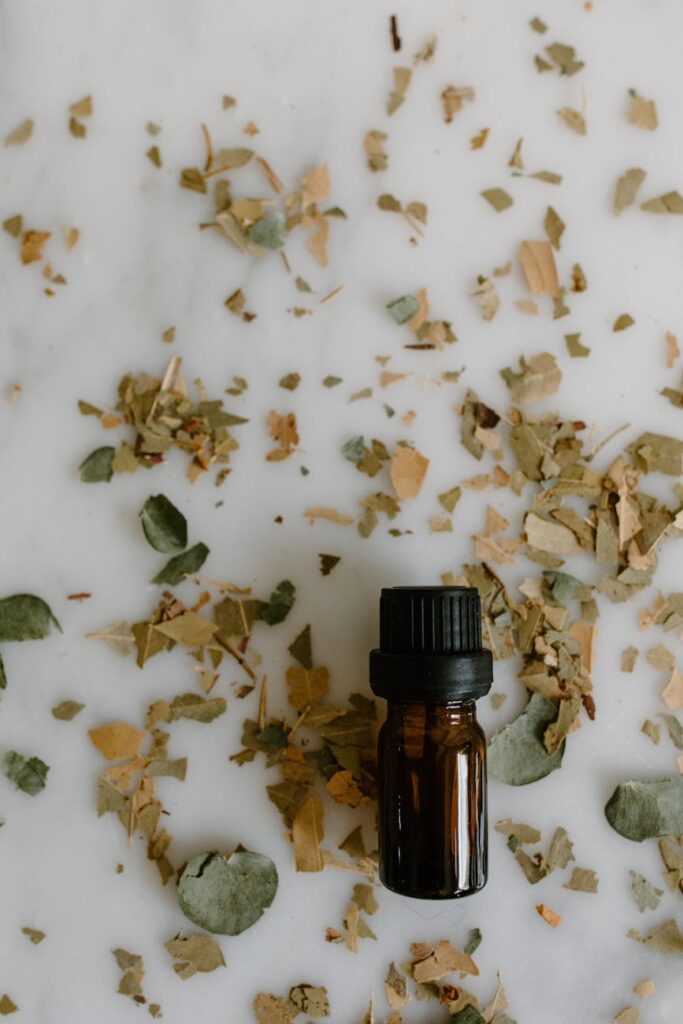
Complete Guide to Cypress Oil Part 3
Introduction
Cypress oil, derived from the leaves and twigs of the Cypress tree (Cupressus spp.), has been utilized for centuries across various cultures. Renowned for its refreshing, woodsy aroma, this essential oil is not only cherished in aromatherapy but also in traditional practices. In this comprehensive guide, we will explore the essence of cypress oil, its benefits, applications, and safety considerations, providing a holistic understanding of its role in wellness and everyday life.
What Is Cypress Oil?
Cypress oil is an essential oil extracted from the needle-like leaves and small twigs of the cypress tree. The extraction process typically involves steam distillation, which captures the aromatic compounds and essential properties of the plant. The cypress tree is native to regions of North America, Europe, and Asia, and its oil has a distinct fresh, woody scent that can evoke feelings of tranquility and grounding.
The oil has a pale yellow to clear color and is known for its unique blend of monoterpenes, sesquiterpenes, and other bioactive components. Each of these compounds contributes to the oil’s distinct aroma and potential benefits, making it a popular choice in both personal care and wellness applications.
Key Benefits and Properties
Cypress oil is celebrated for its array of benefits and properties, which include:
1. Astringent Properties
Cypress oil is known for its astringent qualities, which can help tighten and tone the skin. This makes it a popular choice in skincare formulations aimed at reducing the appearance of pores and promoting a more youthful appearance.
2. Antiseptic Qualities
The oil possesses natural antiseptic properties, making it useful in formulations intended to cleanse and purify the skin. This can help in reducing the risk of infections and supporting overall skin health.
3. Calming Effects
The soothing aroma of cypress oil can promote relaxation and emotional balance. It is often used in aromatherapy practices to create a calming atmosphere, helping to alleviate feelings of stress and anxiety.
4. Circulatory Support
Cypress oil is believed to support healthy circulation, making it a favored choice for massage blends. Its invigorating scent can stimulate blood flow, aiding in the relief of muscle tension and discomfort.
5. Respiratory Support
The fresh, woodsy aroma of cypress oil may help promote clear breathing and respiratory wellness. It can be particularly beneficial during seasonal changes when respiratory challenges may arise.
Common Uses
Cypress oil has a wide range of applications in everyday life, including:
1. Skincare
Incorporated into skincare routines, cypress oil can help improve the appearance of oily or acne-prone skin. It is often found in facial cleansers, toners, and moisturizing products.
2. Massage Therapy
Due to its potential circulatory benefits, cypress oil is frequently used in massage oils and blends. It can enhance the massage experience by promoting relaxation and easing muscle tension.
3. Home Fragrance
Cypress oil is commonly used in diffusers and candles, providing a fresh, uplifting aroma that can enhance the ambiance of any space. It pairs well with other essential oils, such as lavender or rosemary, for a balanced scent profile.
4. Bath Products
Added to bath salts or oils, cypress oil can create a relaxing bathing experience. Its soothing aroma can help calm the mind and body, making it a popular choice for self-care rituals.
5. Cleaning Products
Thanks to its antiseptic properties, cypress oil can be included in homemade cleaning solutions. It can help purify surfaces and impart a fresh scent to the environment.
Aromatherapy Applications
In aromatherapy, cypress oil is valued for its grounding and stabilizing effects. Here are some of the primary applications:
1. Diffusion
Cypress oil can be diffused in a room to create a calming atmosphere. It can help reduce stress, improve focus, and promote emotional well-being. When diffused, it is often blended with other oils like lavender, bergamot, or frankincense.
2. Inhalation
Direct inhalation of cypress oil can provide immediate benefits. A few drops can be placed on a tissue or in a personal inhaler to help clear the mind and enhance respiratory function.
3. Topical Application
When diluted with a carrier oil, cypress oil can be applied to the skin. This can enhance its benefits while minimizing any potential irritation. It is often used in blends for massage or skincare.
4. Bathing
Adding a few drops of cypress oil to a warm bath can create a serene and rejuvenating experience. Its calming effects can help soothe both the mind and body.
Safety Considerations
While cypress oil is generally regarded as safe for use, there are several safety considerations to keep in mind:
1. Dilution
Cypress oil should always be diluted with a carrier oil before topical application to avoid skin irritation. Common carrier oils include jojoba, almond, and coconut oil.
2. Patch Test
Before using cypress oil on a larger skin area, it is advisable to conduct a patch test. Apply a small amount of diluted oil to a discreet area and observe for any adverse reactions.
3. Pregnancy and Nursing
Pregnant or nursing individuals should consult with a qualified healthcare professional before using cypress oil, as some essential oils may have contraindications during these periods.
4. Pre-existing Conditions
Individuals with specific health conditions, particularly those related to the skin or respiratory system, should exercise caution and seek professional guidance before using cypress oil.
5. Storage
Proper storage is essential to maintaining the quality and efficacy of cypress oil. It should be kept in a cool, dark place away from direct sunlight and heat sources.
Storage and Shelf Life
To maximize the shelf life of cypress oil:
- Store in a Dark Glass Bottle: Essential oils are sensitive to light, so using a dark glass bottle can help protect the oil from degradation.
- Keep in a Cool, Dry Place: A cool environment will help preserve the oil’s integrity. Avoid areas with fluctuating temperatures, such as near stoves or windows.
- Check for Expiration: Essential oils can have a shelf life of 1-3 years, depending on their quality and storage conditions. Regularly check for changes in aroma, color, or consistency, which may indicate the oil has expired.
Frequently Asked Questions
1. Can cypress oil be used for all skin types?
Cypress oil can be beneficial for oily and acne-prone skin, but it is advisable to perform a patch test first. Those with sensitive skin should use caution and dilute the oil appropriately.
2. Is cypress oil safe for children?
Cypress oil can be used with caution around children, but it is essential to dilute it properly and consult a qualified professional for guidance.
3. Can cypress oil be ingested?
Ingesting essential oils is not generally recommended without the guidance of a healthcare professional. Cypress oil is primarily intended for topical and aromatic applications.
4. How can I incorporate cypress oil into my daily routine?
Cypress oil can be added to skincare products, used in massage blends, diffused for aromatherapy, or included in bath rituals for a relaxing experience.
5. What other essential oils blend well with cypress oil?
Cypress oil blends well with oils such as lavender, bergamot, rosemary, and cedarwood, creating harmonious and balanced aromatherapeutic experiences.
In conclusion, cypress oil is a versatile essential oil with a rich history and a myriad of applications. By understanding its properties, uses, and safety considerations, individuals can incorporate it into their routines for enhanced well-being and a calming atmosphere. Always approach essential oils with mindfulness and respect for their potency, ensuring a safe and enjoyable experience.