
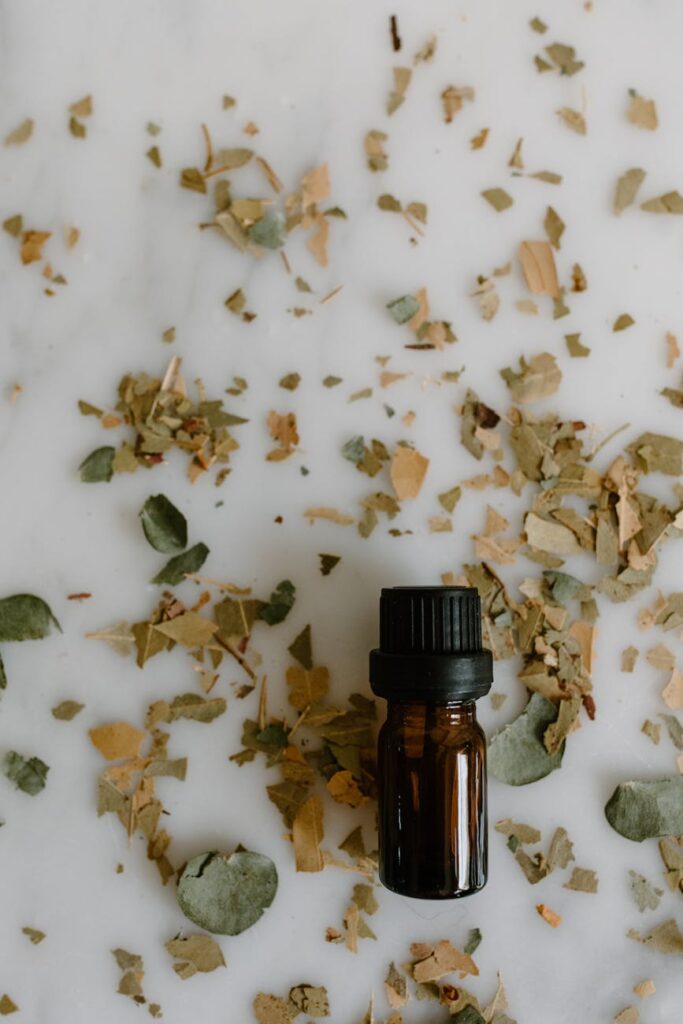
Complete Guide to Cypress Oil Part 5
Introduction
Cypress oil, derived from the leaves and twigs of the Cupressus tree, has been revered for centuries for its aromatic and therapeutic properties. This essential oil is known for its crisp, fresh scent reminiscent of a forest, and it has been used in various cultures for its potential benefits. In this guide, we will explore the origins, properties, and applications of cypress oil, providing a comprehensive understanding of its role in aromatherapy and beyond.
What Is Cypress Oil?
Cypress oil is an essential oil extracted from the foliage and branches of several species of the cypress tree, most commonly Cupressus sempervirens. This evergreen conifer is native to the Mediterranean region but can also be found in various parts of the world, including North America and Asia. The oil is obtained through steam distillation, which preserves the tree’s natural compounds, resulting in a potent and fragrant oil.
Cypress oil is characterized by its fresh, woody aroma, reminiscent of a forest after rain. Its scent has grounding and calming properties, making it a popular choice in both personal care products and therapeutic applications.
Key Benefits and Properties
Cypress oil is celebrated for its unique chemical composition, which includes compounds such as alpha-pinene, beta-pinene, and limonene. These constituents contribute to its various properties, which can be categorized as follows:
1. Astringent Properties
Cypress oil has natural astringent qualities, which can help tighten and tone tissues. This property makes it beneficial for skincare applications, particularly for oily or acne-prone skin.
2. Antiseptic Properties
The oil exhibits antimicrobial properties, making it useful for cleansing and purifying. It can be applied topically in diluted forms to help maintain skin health.
3. Calming and Grounding Effects
Aromatically, cypress oil is known for its soothing effects on the mind and body. It may help alleviate feelings of anxiety and promote relaxation, making it a valuable addition to meditation and mindfulness practices.
4. Circulatory Support
Cypress oil is often associated with supporting healthy circulation. Its invigorating aroma is believed to stimulate blood flow, which can enhance overall vitality and energy levels.
Common Uses
Cypress oil has a wide range of applications due to its versatile properties. Here are some common uses:
1. Skincare
- Acne Treatment: Diluted cypress oil can be applied to the skin to help reduce the appearance of blemishes due to its astringent and antiseptic properties.
- Toning Agent: It can be incorporated into toners or facial sprays to help tighten pores and refresh the skin.
- Stress Relief: Cypress oil is often used in diffusers or inhalers to create a calming atmosphere, helping to reduce feelings of stress and anxiety.
- Meditation: Many practitioners incorporate cypress oil into their meditation practices for its grounding qualities.
- Muscle Relief: When diluted with a carrier oil, cypress oil can be used in massage blends to ease tension in sore muscles and promote relaxation.
- Natural Air Freshener: Cypress oil can be added to homemade cleaning products or used in diffusers to freshen the air and create an inviting environment.
2. Aromatherapy
3. Massage Therapy
4. Home Fragrance
Aromatherapy Applications
In the field of aromatherapy, cypress oil is often blended with other essential oils to enhance its effects. Here are a few recommended blends:
1. For Stress Relief
Combining cypress oil with lavender and bergamot can create a calming blend that promotes relaxation and alleviates anxiety.
2. For Respiratory Support
Mixing cypress oil with eucalyptus and tea tree oil can help support respiratory health, especially during cold seasons.
3. For Circulation
A blend of cypress oil, rosemary, and ginger may provide invigorating support for healthy circulation. This combination is often used in massage oils.
4. For Emotional Balance
Combining cypress oil with frankincense and sandalwood can create a grounding blend that supports emotional well-being and enhances meditation practices.
Safety Considerations
While cypress oil is generally regarded as safe for use when properly diluted, certain precautions should be taken:
1. Dilution
Always dilute cypress oil with a carrier oil before applying it to the skin. A common dilution ratio is 2-3 drops of essential oil per tablespoon of carrier oil.
2. Patch Test
Before using cypress oil topically, perform a patch test to check for any allergic reactions. Apply a small amount of diluted oil to a discreet area of skin and wait 24 hours to observe any adverse reactions.
3. Pregnancy and Nursing
Pregnant or nursing women should consult a healthcare provider before using cypress oil or any essential oils.
4. Children and Pets
Keep cypress oil out of reach of children and pets. Some essential oils can be harmful to animals, so it is essential to ensure that any products used in the home are safe for all inhabitants.
Storage and Shelf Life
Proper storage of cypress oil is crucial for maintaining its quality and efficacy. Here are some guidelines:
1. Storage Conditions
Store cypress oil in a cool, dark place, away from direct sunlight and heat sources. The ideal temperature is between 15°C and 25°C (59°F to 77°F).
2. Container
Use dark glass bottles to protect the oil from light degradation. Ensure that the bottle is tightly sealed to prevent oxidation.
3. Shelf Life
When stored correctly, cypress oil can last for 3 to 5 years. However, it is advisable to check for any changes in color, scent, or viscosity before use, as these may indicate that the oil has gone rancid.
Frequently Asked Questions
1. Can I ingest cypress oil?
Ingesting essential oils is not recommended unless under the guidance of a qualified healthcare professional. Cypress oil should primarily be used for aromatherapy or topical applications.
2. Is cypress oil safe for sensitive skin?
While cypress oil can be beneficial for various skin types, those with sensitive skin should exercise caution and conduct a patch test before use.
3. What is the best way to use cypress oil in a diffuser?
Add 3-5 drops of cypress oil to your diffuser, along with water as per the manufacturer’s instructions. This will create a refreshing and calming atmosphere.
4. Can cypress oil help with muscle soreness?
Cypress oil may provide relief from muscle soreness when diluted in a carrier oil and used for massage. Its warming and stimulating properties can aid in relaxation.
5. Where can I purchase high-quality cypress oil?
Look for cypress oil from reputable suppliers that provide information about sourcing, distillation methods, and purity testing. Organic and steam-distilled varieties are often preferred for their quality.
Conclusion
Cypress oil is a versatile essential oil with a rich history and a variety of applications. From skincare to aromatherapy, its benefits can enhance both physical and emotional well-being. By understanding its properties, uses, and safety considerations, you can effectively incorporate cypress oil into your daily routine. Whether you’re seeking relaxation, improved skin tone, or a refreshing home atmosphere, cypress oil offers a natural solution worth exploring.