
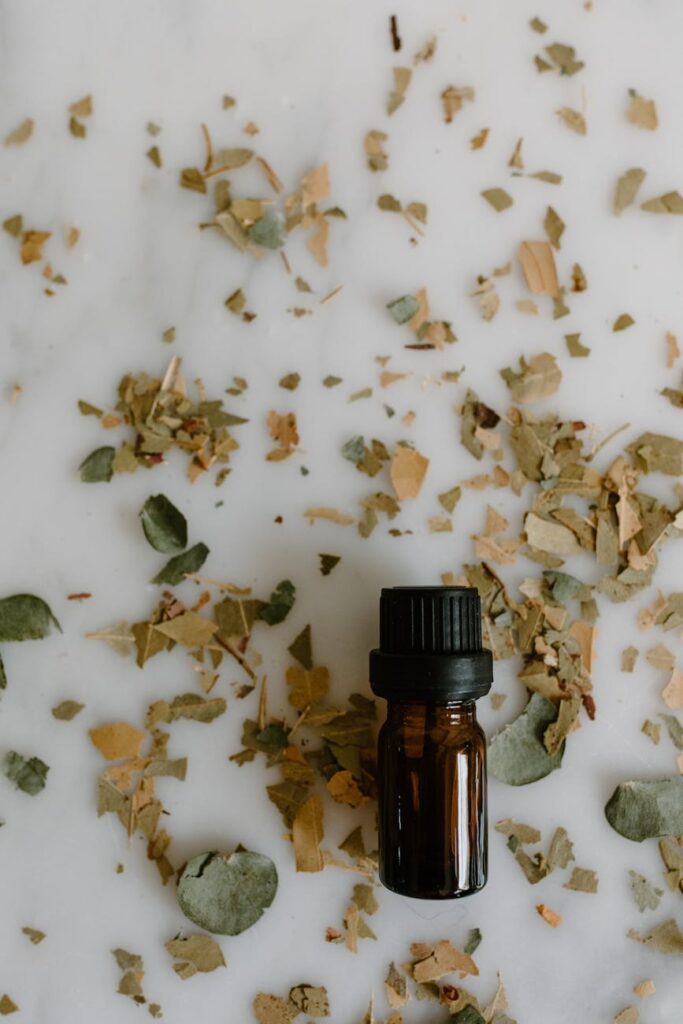
Complete Guide to Cypress Oil Part 6
Introduction
Cypress oil, derived from the leaves and branches of the cypress tree (genus Cupressus), has been valued for centuries for its aromatic, therapeutic, and practical applications. With a history rooted in various cultures, cypress oil is often associated with feelings of calmness, grounding, and tranquility. This comprehensive guide will delve into the various aspects of cypress oil, exploring its properties, benefits, and uses in aromatherapy and beyond.
What Is Cypress Oil?
Cypress oil is an essential oil extracted from the foliage and twigs of the cypress tree, which belongs to the Cupressaceae family. The oil is typically obtained through steam distillation, a method that preserves the delicate aromatic compounds. Cypress trees are native to regions such as North America, Asia, and parts of Europe and have been historically significant in many cultures.
The oil boasts a fresh, woody aroma with a hint of spice, making it a popular choice in perfumery and natural wellness practices. Its chemical composition includes compounds such as alpha-pinene, beta-pinene, and camphene, which contribute to its distinctive scent and potential benefits.
Key Benefits and Properties
Cypress oil is celebrated for its numerous benefits, making it a valuable addition to both personal care and holistic practices. Some of the key properties include:
- Astringent: Cypress oil has natural astringent qualities, which can help tighten and tone the skin.
- Antiseptic: It possesses antiseptic properties, making it useful for cleaning cuts and minor wounds.
- Calming: The oil is known for its calming effects on the mind and body, promoting relaxation and easing tension.
- Circulatory Support: Cypress oil is often associated with promoting healthy circulation, making it a common ingredient in various body care products.
- Deodorizing: Its fresh scent is effective in neutralizing odors, making it a popular choice for home cleaning and air freshening.
- Skin Care: Due to its astringent properties, cypress oil is used in skincare products for oily and acne-prone skin. It can help reduce the appearance of pores and improve overall skin texture.
- Hair Care: The oil is also incorporated into hair care formulations to promote scalp health and manage oily hair.
- Household Cleaning: Its antiseptic and deodorizing properties make cypress oil an effective ingredient in natural cleaning solutions.
- Perfume and Fragrance: The uplifting scent of cypress oil lends itself well to perfumes and scented candles, providing a refreshing and grounding aroma.
- Meditation and Yoga: Often used in meditation and yoga practices, cypress oil can create a serene environment, helping individuals to focus and relax.
- Diffusion: Adding a few drops of cypress oil to a diffuser can help create a peaceful atmosphere. It blends well with other essential oils such as lavender, bergamot, or frankincense.
- Topical Application: When diluted with a carrier oil, cypress oil can be applied to pulse points or used in massage to promote relaxation and relieve tension.
- Bathing: Including cypress oil in bathwater can enhance the experience, providing a soothing and aromatic bath. Combine it with Epsom salts for added relaxation.
- Inhalation: Direct inhalation of cypress oil from the bottle or using an aromatherapy inhaler can quickly uplift the mood and promote a sense of calm.
- Dilution: Always dilute cypress oil with a carrier oil before applying it to the skin to prevent irritation. A general guideline is to use a 1-2% dilution for topical applications.
- Sensitivity: Some individuals may experience sensitivity or allergic reactions. It is advisable to conduct a patch test before using the oil extensively.
- Pregnancy and Nursing: Pregnant or nursing individuals should consult a healthcare professional before using cypress oil, as its effects during these periods are not well understood.
- Children: Essential oils should be used with caution in children. It is best to consult a qualified aromatherapist or healthcare provider for appropriate use.
- Medical Conditions: If you have specific health conditions or are taking medications, consult a healthcare professional before using cypress oil.
- Containers: Store cypress oil in dark glass bottles to protect it from light and oxidation.
- Temperature: Keep the oil in a cool, dry place away from direct sunlight and heat sources.
- Shelf Life: When properly stored, cypress oil has a shelf life of approximately 2 to 3 years. Over time, the oil may lose its potency or change in aroma.
Common Uses
Cypress oil has a wide range of applications across various fields. Here are some common uses:
Aromatherapy Applications
In aromatherapy, cypress oil is valued for its calming and balancing effects. Here are several ways to incorporate it into your practice:
Safety Considerations
While cypress oil is generally regarded as safe for use, it is essential to follow certain precautions:
Storage and Shelf Life
Proper storage of cypress oil is crucial to maintain its quality and efficacy. Here are some storage tips:
Frequently Asked Questions
1. Can cypress oil be ingested?
Cypress oil is primarily intended for topical and aromatic use. Ingestion should only be done under the guidance of a qualified healthcare professional.
2. How can I use cypress oil for stress relief?
Diffusing cypress oil in your home or adding it to a warm bath can create a calming environment conducive to stress relief. Additionally, using it in massage can help ease tension in the body.
3. Is cypress oil safe for pets?
Essential oils can be toxic to pets, particularly cats and dogs. It is essential to consult a veterinarian before using cypress oil around animals.
4. Can cypress oil help with oily skin?
Yes, cypress oil’s astringent properties can help reduce excess oil and tighten the appearance of pores, making it beneficial for oily skin types.
5. What essential oils blend well with cypress oil?
Cypress oil blends well with a variety of essential oils, including lavender, bergamot, frankincense, and rosemary. Experimenting with different combinations can create a customized aromatic experience.
Conclusion
Cypress oil is a versatile essential oil with a range of applications in aromatherapy, personal care, and household use. Its calming aroma and beneficial properties make it a valuable addition to any essential oil collection. By understanding its uses, benefits, and safety considerations, individuals can harness the potential of cypress oil to enhance their well-being and create a serene environment in their daily lives. Always remember to approach essential oil use with care, and enjoy the aromatic journey that cypress oil offers.