
Complete Guide to Cypress Oil Part 6
Introduction
Cypress oil, derived from the leaves and twigs of the cypress tree, has been utilized across cultures for centuries. Traditionally revered for its aromatic properties and various applications, cypress oil is celebrated in aromatherapy, cosmetics, and holistic wellness. This comprehensive guide delves into the essence of cypress oil, exploring its composition, benefits, uses, and safety considerations.
What Is Cypress Oil?
Cypress oil is extracted from the Cupressus genus of trees, which includes several species, the most common being the Italian cypress (Cupressus sempervirens). The extraction is typically carried out through steam distillation, which captures the essential compounds while maintaining the oil’s therapeutic properties. The oil has a fresh, woody, and slightly spicy aroma that is both grounding and uplifting.
The cypress tree is native to regions of the Mediterranean and has been recognized for its durability and resilience. In many cultures, it symbolizes strength, protection, and eternal life. The oil’s rich history encompasses uses in ancient rituals, traditional medicine, and modern aromatherapy practices.
Key Benefits and Properties
Cypress oil is characterized by several beneficial properties, which are largely attributed to its chemical composition. The primary constituents include:
- Monoterpenes: Known for their antiseptic and anti-inflammatory properties.
- Cypressene: Contributes to the oil’s fresh aroma and may possess calming effects.
- Terpenoids: These compounds are linked to various health benefits, including antimicrobial effects.
- Skin Care: Due to its astringent and antimicrobial properties, cypress oil is often incorporated into skincare products designed for oily or acne-prone skin.
- Emotional Balance: Many individuals utilize cypress oil in diffusers or personal inhalers to promote a sense of calm and emotional stability.
- Massage Blends: By diluting cypress oil with a carrier oil, it can be used in massage therapies to enhance relaxation and soothe muscle tension.
- Household Cleaning: The oil’s antimicrobial properties make it a popular ingredient in natural cleaning products.
- Dilution: Cypress oil should always be diluted with a suitable carrier oil before application on the skin to prevent irritation.
- Patch Test: Before using cypress oil for the first time, it is advisable to conduct a patch test to check for any allergic reactions.
- Pregnancy and Nursing: Pregnant or nursing individuals should consult with a healthcare professional before using cypress oil.
- Avoid Ingestion: Cypress oil is not intended for internal use unless guided by a qualified practitioner.
- Pre-existing Conditions: Individuals with specific health conditions or those taking medications should seek advice from a healthcare provider prior to use.
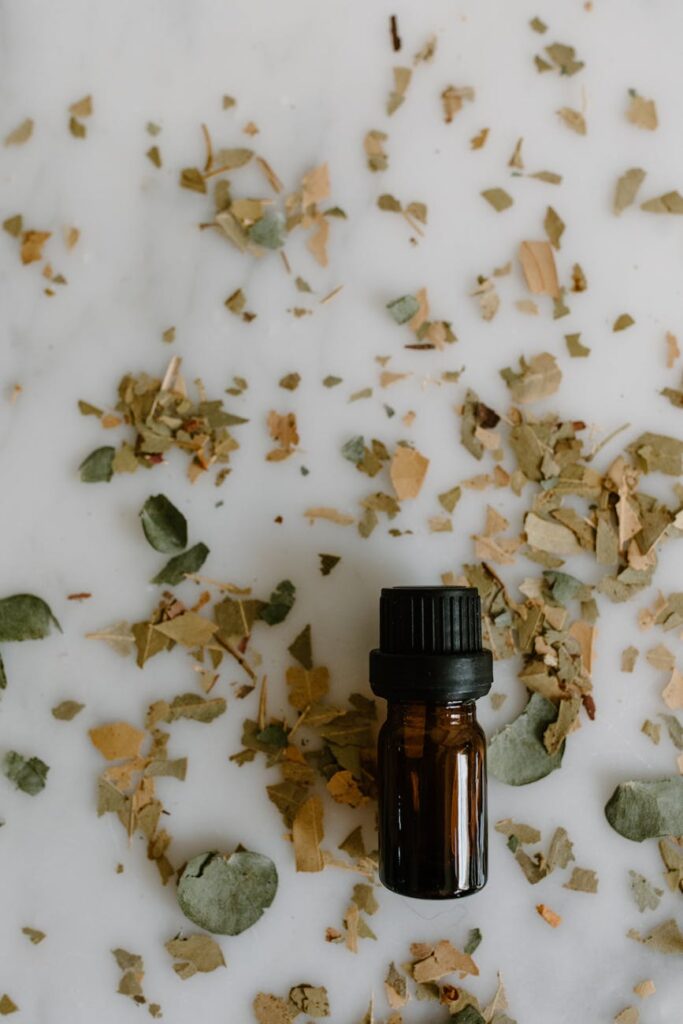
- Container: Store the oil in a dark glass bottle to protect it from light, which can degrade its quality over time.
- Temperature: Keep cypress oil in a cool, dry place, away from direct sunlight and heat sources.
- Shelf Life: When stored correctly, cypress oil typically has a shelf life of 3 to 5 years. Regularly check for any changes in odor or appearance, as these can be indicators of deterioration.
While many people use cypress oil for its potential benefits, it is important to note the following common properties:
1. Astringent: Cypress oil may help tighten and tone tissues, making it a popular choice in skincare formulations.
2. Antimicrobial: The oil has demonstrated properties that may inhibit the growth of certain bacteria and fungi.
3. Calming: Many individuals report a sense of grounding and tranquility when using cypress oil, making it a favored choice in stress-relief applications.
4. Circulatory Support: Cypress oil is often associated with promoting healthy circulation, which can be beneficial for various body functions.
Common Uses
Cypress oil has a plethora of applications across different domains. Some of the most common uses include:
Aromatherapy Applications
In the realm of aromatherapy, cypress oil is utilized for its calming effects and aromatic profile. Some applications include:
Diffusion
Cypress oil can be diffused in a room to create a serene atmosphere. When used in a diffuser, it can purify the air and uplift the mood, making it ideal for meditation or relaxation sessions.
Inhalation
For a quick boost of tranquility, cypress oil can be inhaled directly from the bottle or added to a personal inhaler. This method is particularly effective for individuals seeking immediate emotional support during stressful moments.
Bathing
Adding a few drops of cypress oil to a warm bath can create a relaxing experience. When combined with Epsom salts or carrier oils, it can enhance the overall calming effect and promote a sense of well-being.
Massage
As mentioned earlier, cypress oil can be blended with carrier oils for use in massage. Its soothing aroma and properties can help relieve tension in the body while promoting relaxation.
Safety Considerations
While cypress oil is generally considered safe for use in aromatherapy and topical applications, certain precautions should be observed:
Storage and Shelf Life
Proper storage of cypress oil is crucial to maintaining its quality and efficacy. Here are some guidelines:
Frequently Asked Questions
1. Can cypress oil be used for skincare?
Yes, cypress oil is often included in skincare formulations due to its astringent and antimicrobial properties. However, it should always be diluted before applying it directly to the skin.
2. Is cypress oil safe for children?
Cypress oil may be used in small amounts for children older than two years, but it is essential to dilute it adequately and consult with a healthcare professional for guidance.
3. How can I incorporate cypress oil into my daily routine?
Cypress oil can be added to your daily routine through diffusion during meditation, added to your skincare regimen, or used in relaxing baths.
4. What is the best way to diffuse cypress oil?
For diffusing cypress oil, add a few drops to your essential oil diffuser, following the manufacturer’s instructions. It can be blended with other oils like lavender or bergamot for an enhanced aromatic experience.
5. Are there any contraindications for using cypress oil?
Individuals with known allergies to cypress or related species should avoid using cypress oil. Additionally, pregnant or nursing individuals and those with specific health concerns should consult a healthcare provider before use.
Conclusion
Cypress oil stands as a remarkable essential oil with a rich history and an array of applications. Its unique properties and benefits make it a popular choice for aromatherapy, skincare, and emotional well-being. By understanding its uses, benefits, and safety considerations, individuals can incorporate cypress oil into their lives thoughtfully and responsibly, enhancing their overall wellness journey.