
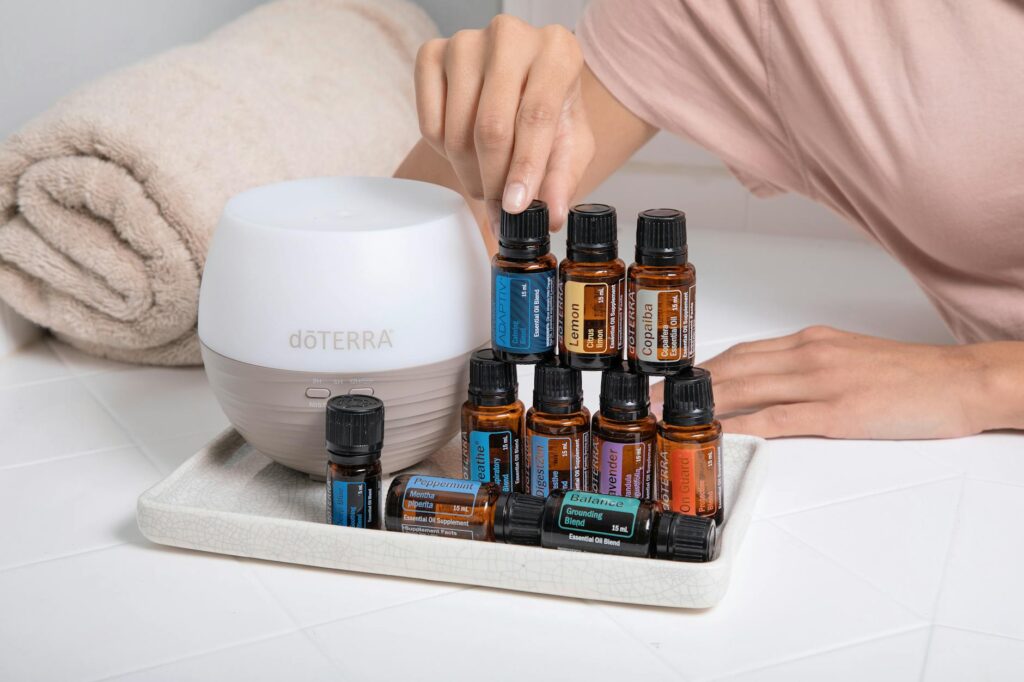
Complete Guide to Diffuser Blends Part 11
Introduction
The world of essential oils and aromatherapy has captivated individuals across the globe, offering a natural and holistic approach to enhancing well-being. Among the myriad methods of utilizing essential oils, diffuser blends stand out as a popular choice for their ease of use and immediate aromatic benefits. This comprehensive guide aims to delve into the intricacies of diffuser blends, exploring their composition, benefits, applications, and practical considerations for safe and effective use.
What Is Diffuser Blends?
Diffuser blends are carefully crafted combinations of essential oils that are designed to be dispersed into the air using an aromatherapy diffuser. These blends can vary widely in their aromatic profiles, effects, and intended purposes. Typically, a diffuser blend may contain two or more essential oils, balanced in a way that enhances their individual properties and creates a synergistic effect when inhaled.
Creating a diffuser blend involves selecting essential oils that complement one another, whether in scent or therapeutic properties. Commonly used essential oils include lavender, eucalyptus, peppermint, and citrus oils, each contributing unique characteristics to the overall blend.
Key Benefits and Properties
The benefits of using diffuser blends are multifaceted, encompassing emotional, psychological, and environmental aspects. Some key benefits include:
1. Mood Enhancement: Many essential oils possess uplifting properties that can help alleviate feelings of stress, anxiety, or sadness. For instance, citrus oils like orange and lemon often evoke feelings of happiness and positivity.
2. Air Purification: Certain essential oils, such as tea tree and eucalyptus, have antimicrobial properties that can help purify the air, making it cleaner and more pleasant to breathe.
3. Relaxation and Sleep Support: Oils like lavender and chamomile are renowned for their calming effects, making them ideal for promoting relaxation and aiding sleep.
4. Focus and Clarity: Essential oils such as peppermint and rosemary are often used to enhance concentration and mental clarity, making them suitable for work or study environments.
5. Seasonal Support: Diffuser blends can also be tailored to provide comfort during seasonal changes, helping to alleviate symptoms associated with allergies or colds.
Common Uses
Diffuser blends can be employed in various settings and for numerous occasions. Some common uses include:
- Home Environment: Diffusing essential oils in the home can create a welcoming and soothing atmosphere, enhancing the overall ambiance. Blends can be tailored to suit different rooms, such as calming scents in the bedroom and invigorating aromas in the kitchen.
- Wellness and Relaxation: During yoga or meditation practices, specific blends can enhance the experience by creating a serene and focused environment.
- Social Gatherings: Utilizing uplifting and pleasant scents during gatherings can help create a warm and inviting atmosphere for guests.
- Workspaces: Diffuser blends can be beneficial in office settings, promoting concentration and reducing fatigue.
Aromatherapy Applications
Diffuser blends are a fundamental aspect of aromatherapy, which involves the use of essential oils for therapeutic and emotional benefits. Various applications of diffuser blends in aromatherapy include:
1. Stress Relief: Blends combining lavender, bergamot, and ylang-ylang may help to reduce stress and promote relaxation, making them ideal for use after a long day.
2. Energy Boosting: A blend of citrus oils and peppermint can invigorate and enhance alertness, making it suitable for morning use or during mid-afternoon slumps.
3. Seasonal Comfort: Blends containing eucalyptus, lemon, and tea tree can provide relief during allergy seasons by purifying the air and uplifting the spirit.
4. Sleep Improvement: Combining lavender and chamomile can create a calming atmosphere conducive to restful sleep.
5. Focus and Clarity: A mixture of rosemary and peppermint can enhance cognitive function, making it perfect for study sessions or work tasks.
Safety Considerations
While essential oils and diffuser blends can offer numerous benefits, safety is paramount when using them. Here are some important safety considerations:
1. Quality of Essential Oils: Always use high-quality, pure essential oils from reputable sources. Adulterated or synthetic oils can pose health risks and may not provide the desired effects.
2. Dilution: Although diffuser blends are typically used in small quantities, it is essential to understand the recommended dilution ratios, especially when combining oils. Not all essential oils are safe to use in high concentrations.
3. Sensitivity Testing: Some individuals may have sensitivities or allergic reactions to specific essential oils. It is advisable to conduct a patch test before widespread use.
4. Pregnancy and Medical Conditions: Certain essential oils may not be safe during pregnancy or for individuals with specific medical conditions. It is essential to research and consult with a qualified expert if unsure.
5. Children and Pets: Not all essential oils are safe for use around children or pets. Always research specific oils to ensure they are safe for use in your environment.
Storage and Shelf Life
Proper storage of essential oils and diffuser blends is crucial to maintain their efficacy and aroma. Here are some tips for storing essential oils:
1. Dark Glass Containers: Store essential oils in dark glass bottles to protect them from light, which can degrade their quality.
2. Cool, Dry Place: Keep oils in a cool, dry location away from direct sunlight and heat sources. High temperatures can alter the chemical composition of essential oils.
3. Tightly Sealed: Ensure that all containers are tightly sealed to prevent oxidation and evaporation.
4. Shelf Life: The shelf life of essential oils varies depending on the type. Generally, citrus oils have a shorter shelf life (1-2 years), while oils like patchouli and sandalwood can last longer (up to 5 years or more). Regularly check oils for changes in color, smell, or consistency.
Frequently Asked Questions
1. How many drops of essential oil should I use in my diffuser?
The recommended number of drops varies depending on the size of the diffuser. As a general guideline, use 3-10 drops of essential oil per 100 ml of water.
2. Can I mix different essential oils in my diffuser?
Yes, blending different essential oils can create unique and synergistic aromas. Experiment with various combinations to find blends that resonate with you.
3. How often should I clean my diffuser?
It is advisable to clean your diffuser after each use to prevent the buildup of residue and ensure optimal performance. Refer to the manufacturer’s instructions for specific cleaning guidelines.
4. Can I use diffuser blends in a spray bottle?
While diffuser blends are primarily intended for use in diffusers, you can create a room spray by diluting the blend in water and a dispersing agent, such as alcohol. Always test for compatibility first.
5. Are there any essential oils I should avoid?
Certain essential oils may not be suitable for everyone. Pregnant individuals, children, and pets may require specific precautions. Always research individual oils and consult with professionals if necessary.
Conclusion
Diffuser blends offer a unique way to experience the aromatic and therapeutic benefits of essential oils. By understanding their properties, applications, and safety considerations, individuals can effectively incorporate these blends into their daily lives, enhancing their well-being in a natural and holistic manner. Whether seeking relaxation, energy, or emotional support, the world of diffuser blends presents endless possibilities for exploration and enjoyment.