
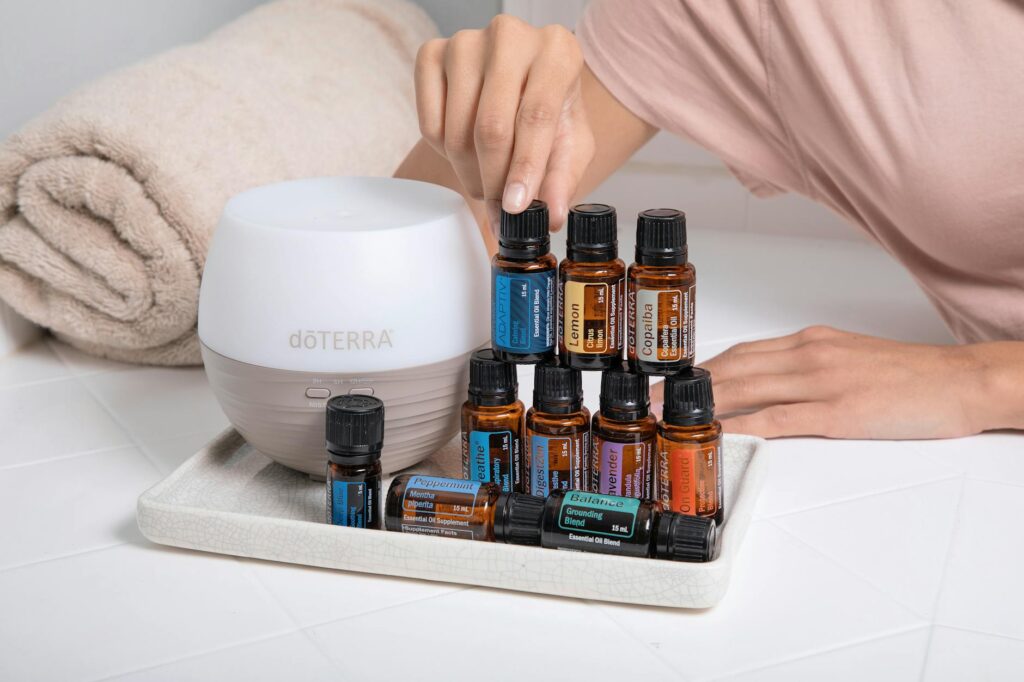
Complete Guide to Diffuser Blends Part 12
Introduction
Aromatherapy has gained substantial popularity in recent years, thanks in large part to the widespread use of essential oils and their various applications. One of the most effective and enjoyable methods to experience these aromatic compounds is through diffuser blends. This guide will delve into the intricacies of diffuser blends, exploring their composition, benefits, and various applications, while also addressing safety considerations and proper storage practices.
What Is Diffuser Blends?
Diffuser blends consist of carefully selected essential oils combined to create specific aromatic profiles. When these blends are used in an essential oil diffuser, they disperse fine particles of essential oils into the air, allowing for the inhalation of their aromatic properties. The choice of oils in a blend can be tailored to achieve desired effects, whether for relaxation, energization, or mood enhancement.
Diffuser blends can be composed of single essential oils or combinations of multiple oils, each contributing its unique scent and therapeutic properties. The art of blending is both a science and a creative endeavor, allowing for endless possibilities in scent combinations.
Key Benefits and Properties
Mood Enhancement
Many essential oils are known for their ability to influence mood. Citrus oils such as lemon and orange are often used to uplift spirits, while floral oils like lavender are recognized for their calming effects. By carefully selecting oils with mood-enhancing properties, diffuser blends can create an atmosphere that aligns with the desired emotional state.
Stress Relief
Certain essential oils, including chamomile and frankincense, are renowned for their ability to reduce stress and promote relaxation. When diffused, these oils can help to create a serene environment, perfect for unwinding after a long day or during meditation practices.
Improved Focus and Concentration
Certain blends, particularly those containing peppermint or rosemary, can help increase alertness and concentration. These oils are often favored in workspaces or study areas to enhance productivity.
Enhanced Air Quality
Diffusers can also improve indoor air quality. Many essential oils possess natural antibacterial and antiviral properties, which can help purify the air. Oils like tea tree and eucalyptus are commonly included in blends aimed at creating a healthier environment.
Sleep Support
For those struggling with sleep issues, diffuser blends featuring oils such as lavender, cedarwood, and bergamot may foster a calming atmosphere conducive to restful sleep. These blends are often used in bedrooms to promote relaxation before bedtime.
Common Uses
Home Environment
Using diffuser blends in the home is one of the most common applications. Whether it’s creating a welcoming ambiance for guests or setting the mood for a cozy evening, essential oils can transform the atmosphere of any room.
Workspaces
Many individuals utilize diffuser blends in their workplaces to enhance productivity and reduce stress. A blend of peppermint and lemon can invigorate the senses, while lavender can help to create a calming effect during stressful projects.
Yoga and Meditation
Diffuser blends are popular in yoga studios and during personal meditation practices. Oils like sandalwood and frankincense are often used to deepen the experience, helping to ground and center the mind.
Wellness and Spa Treatments
In wellness centers and spas, diffuser blends are frequently employed to enhance treatments. The right combination of oils can create a soothing environment, promoting relaxation and well-being.
Aromatherapy Applications
Creating Your Own Blends
One of the joys of working with essential oils is the opportunity to create personalized blends. Here are some tips for crafting your own diffuser blends:
1. Start with a Base: Begin with a foundational oil that serves as the base of your blend. Common base oils include lavender or bergamot.
2. Select Complementary Oils: Choose oils that complement your base. For example, citrus oils can add brightness, while woody oils can provide depth.
3. Experiment with Ratios: There is no one-size-fits-all approach. Start with small quantities and adjust ratios based on your preferences. A common starting point is three drops of the base oil and two drops of each complementary oil.
Pre-Made Blends
For those new to aromatherapy, pre-made diffuser blends are widely available. These blends are typically formulated by experts to ensure a harmonious balance of scents and effects. Common pre-made options include:
- Relaxation Blend: Often combines lavender, chamomile, and ylang-ylang.
- Energizing Blend: Typically features citrus oils like lemon and grapefruit, along with mint.
- Focus Blend: May include oils like rosemary, peppermint, and eucalyptus.
- Dilution: Always dilute essential oils before applying them to the skin. While this guide focuses on diffusion, it’s important to remember that undiluted oils can cause irritation.
- Quality of Oils: Choose high-quality, pure essential oils from reputable sources. Synthetic oils may contain harmful chemicals.
- Sensitivity: Some individuals may be sensitive to certain essential oils. It’s advisable to perform a patch test before using a new oil in a diffuser.
- Children and Pets: Exercise caution when diffusing oils around children and pets. Some oils may be harmful to them. It is often recommended to avoid highly concentrated oils or those known to be toxic to animals.
- Pregnancy and Medical Conditions: Pregnant individuals or those with certain medical conditions should consult a healthcare professional before using essential oils.
Safety Considerations
While essential oils are natural, they can still pose risks if not used properly. Here are some safety considerations to keep in mind:
Storage and Shelf Life
Proper storage is crucial for maintaining the integrity of essential oils and diffuser blends. Here are some guidelines:
1. Store in Dark Glass Bottles: Essential oils should be stored in dark glass containers to protect them from light, which can degrade their quality.
2. Keep in a Cool, Dry Place: Exposure to heat and humidity can affect the efficacy of essential oils. A cool, dry cabinet is an ideal storage location.
3. Check Expiry Dates: Essential oils generally have a shelf life of 1 to 3 years, depending on the type. Citrus oils tend to have shorter shelf lives compared to woody oils.
4. Label Your Blends: If you create your own diffuser blends, label them with the ingredients and date made to track their freshness.
Frequently Asked Questions
How many drops of essential oil should I use in a diffuser?
The number of drops can vary based on the size of the diffuser and personal preference. A common guideline is to use 3-6 drops of essential oil per 100ml of water in your diffuser.
Can I mix different essential oils together?
Yes, blending essential oils is a common practice in aromatherapy. Experimenting with different combinations can lead to unique and enjoyable scents.
How often should I change the water in my diffuser?
It is recommended to change the water and clean your diffuser after each use to prevent oil buildup and ensure optimal performance.
Are there any essential oils I should avoid?
Certain oils can be irritating or harmful to specific groups, including pregnant individuals, children, and pets. Researching or consulting with a knowledgeable source is advisable before use.
Can I use fragrance oils in a diffuser instead of essential oils?
Fragrance oils may contain synthetic ingredients that do not provide the same therapeutic benefits as essential oils. It is generally best to use pure essential oils for aromatherapy purposes.
Conclusion
Diffuser blends offer a wonderful way to experience the benefits of essential oils in your daily life. By understanding their properties, applications, and safety considerations, you can create a personalized aromatic environment that enhances your well-being. Whether you choose to create your own blends or explore pre-made options, the world of essential oils and aromatherapy opens up a realm of sensory experiences and therapeutic benefits.