
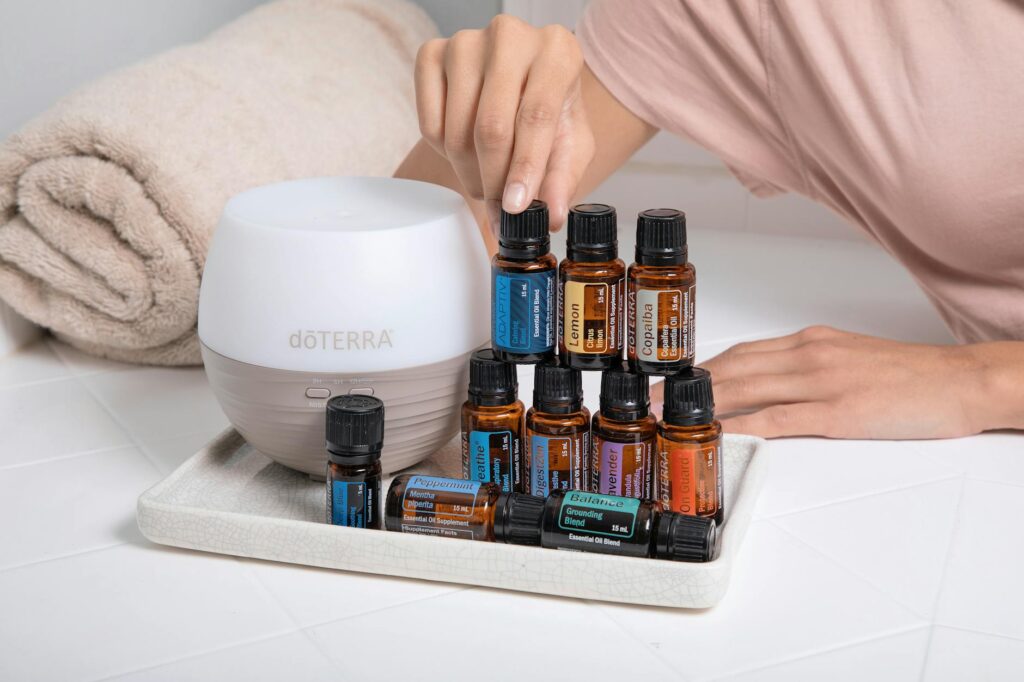
Complete Guide to Diffuser Blends Part 13
Introduction
Diffuser blends are a cornerstone of the aromatherapy experience, enabling individuals to harness the therapeutic properties of essential oils in a simple and effective manner. This guide aims to provide a comprehensive understanding of diffuser blends, exploring their benefits, common uses, and safety considerations. Whether you are a novice or a seasoned enthusiast, this article will deepen your knowledge of how to create and utilize diffuser blends in your daily life.
What Is Diffuser Blends?
Diffuser blends are combinations of essential oils specifically formulated for use in essential oil diffusers. These blends can enhance the ambiance of a space, promote emotional well-being, and create a relaxing atmosphere. The oils are typically diluted with a carrier oil or used in their concentrated form, depending on the diffuser type. The process of diffusion disperses the aromatic molecules into the air, providing a sensory experience that can influence mood and environment.
Key Benefits and Properties
Emotional Well-Being
Diffuser blends can significantly influence emotional health. Oils such as lavender and bergamot are known for their calming effects, while citrus oils like lemon and orange can uplift and energize. The olfactory system is closely linked to the brain’s limbic system, which processes emotions, making aromatherapy a powerful tool for emotional balance.
Physical Environment
Beyond emotional benefits, diffuser blends can improve the physical environment. Many essential oils possess antimicrobial properties, potentially purifying the air and reducing airborne pathogens. Eucalyptus and tea tree oil are often included in blends for their ability to create a fresher atmosphere.
Stress Relief
The act of diffusing essential oils itself can be a ritual of self-care. The gentle release of fragrance can help ease tension and promote relaxation. Blends containing chamomile or sandalwood, for example, are particularly effective for stress relief.
Common Uses
Home Environment
Using diffuser blends in the home can create a welcoming atmosphere. Popular blends for living spaces often include a mix of floral and citrus oils, providing a refreshing and inviting scent profile.
Workspaces
Incorporating diffuser blends in office settings can enhance focus and productivity. Blends with peppermint, rosemary, or lemon can invigorate the mind and help combat fatigue.
Sleep Support
Creating a restful environment is essential for good sleep hygiene. Blends designed for nighttime use typically include calming oils like lavender, cedarwood, and marjoram to promote relaxation and facilitate a good night’s sleep.
Seasonal Blends
Many enthusiasts enjoy seasonal blends that reflect the time of year. For example, blends that include cinnamon, clove, and orange can evoke the warmth of autumn and winter holidays, while floral and citrus notes can capture the essence of spring and summer.
Aromatherapy Applications
Diffuser Types
Different types of diffusers can affect how blends are experienced. Ultrasonic diffusers use water to disperse oil particles, while nebulizing diffusers utilize air pressure to release pure essential oils. Each type may alter the intensity and duration of the aroma.
Techniques for Blending
Creating your own diffuser blends can be an enjoyable and creative process. Common blending techniques include:
- Layering: Start with a base note, followed by middle and top notes. Base notes like vetiver provide depth, while middle notes like geranium add complexity, and top notes like peppermint offer brightness.
- Pre-Made Blends: Many companies offer pre-made blends designed for specific effects, such as relaxation or invigoration. These can be convenient for those new to blending.
Customization
One of the joys of diffuser blends is the ability to customize them to suit personal preferences or specific needs. Experimenting with different ratios and combinations can lead to unique and fulfilling aromas.
Safety Considerations
Dilution
Although essential oils are natural, they are highly concentrated and should be used with caution. It is generally recommended to dilute essential oils before use. The typical dilution ratio for diffusion is 3-5 drops of essential oil per 100 ml of water, although this may vary based on personal sensitivity and the potency of the oil.
Allergies and Sensitivities
Individuals should be aware of their own sensitivities and any allergies when using essential oils. Conducting a patch test with diluted oils on the skin can help identify potential reactions before using them in a diffuser.
Not Suitable for Everyone
Certain essential oils may not be suitable for pregnant or nursing women, children, or individuals with specific health conditions. Always consult with a knowledgeable aromatherapist or essential oil expert if there are concerns.
Storage and Shelf Life
Proper Storage
Essential oils should be stored in a cool, dark place, away from direct sunlight and heat sources. Amber or cobalt blue glass bottles are recommended to protect oils from light degradation.
Shelf Life
The shelf life of essential oils can vary based on their chemical composition and storage conditions. Generally, most oils can last from one to five years. However, oils with high citrus content may have a shorter shelf life. It is advisable to check for any changes in aroma, viscosity, or color before use.
Frequently Asked Questions
How many drops of essential oil should I use in my diffuser?
A common guideline is to use 3-5 drops of essential oil per 100 ml of water. However, this can vary based on the type of diffuser and personal preference.
Can I mix different essential oils together?
Yes, blending different essential oils can create unique aromas and enhance therapeutic benefits. Experimenting with different combinations can be a fun and rewarding experience.
Are there any essential oils that should not be used in a diffuser?
Some oils may be too potent or irritating for diffusion. Oils like cinnamon bark and oregano can be overwhelming. It’s important to research each oil’s properties and consult guidelines for safe use.
How often should I clean my diffuser?
Regular cleaning of your diffuser is important to maintain its functionality and prevent residue buildup. It is generally recommended to clean your diffuser after each use, especially if you switch oils frequently. Use a mixture of water and vinegar for cleaning, followed by rinsing with plain water.
Can I use diffuser blends in a bath?
While diffuser blends are designed for aromatic diffusion, some essential oils can be added to bathwater. However, it is crucial to dilute them in a carrier oil first to avoid skin irritation.
Conclusion
Diffuser blends offer a versatile and enjoyable way to experience the benefits of essential oils. By understanding their properties, applications, and safety considerations, individuals can create enriching environments that promote emotional and physical well-being. Whether you enjoy pre-made blends or prefer to create your own custom combinations, the world of aromatherapy invites exploration and creativity. Embrace the journey of discovering the perfect diffuser blends that resonate with your unique lifestyle.