
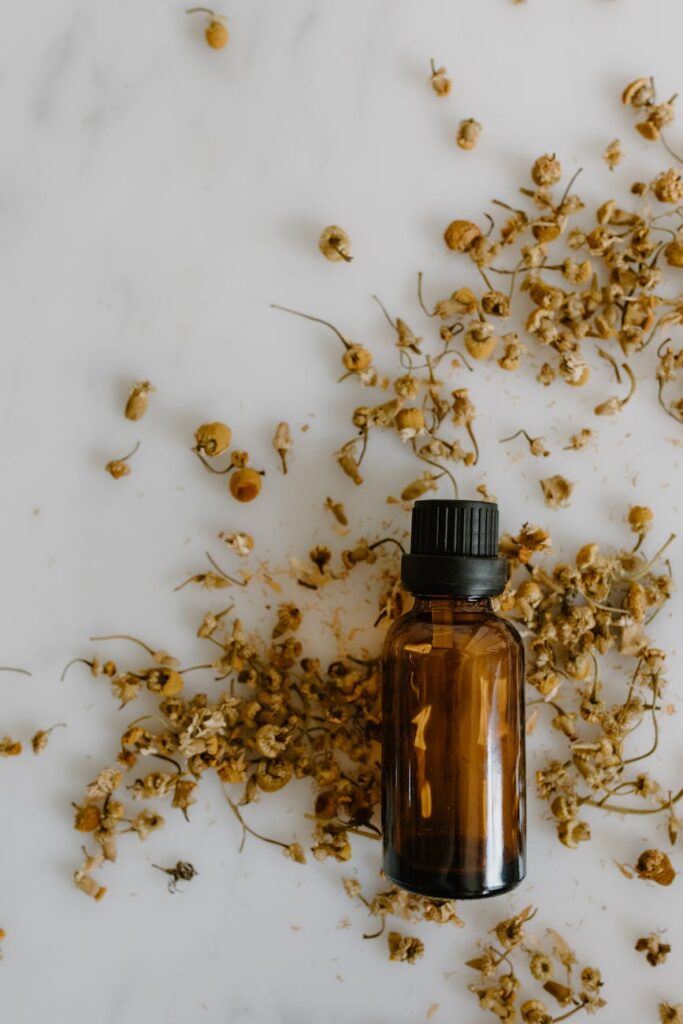
Complete Guide to DIY Aromatherapy Recipes for Relaxation with Chamomile and Ylang Ylang Oils
Introduction
Aromatherapy, the practice of using essential oils extracted from plants to enhance physical and emotional well-being, has gained traction in recent years. Among the vast array of essential oils available, chamomile and ylang ylang stand out for their calming and relaxing properties. This guide explores the essentials of DIY aromatherapy recipes using these oils, providing insights into their benefits, applications, and how to safely incorporate them into your relaxation routines.
What Is DIY Aromatherapy Recipes for Relaxation with Chamomile and Ylang Ylang Oils?
DIY aromatherapy recipes involve creating personalized blends of essential oils for specific therapeutic purposes. Chamomile oil, derived from the flowers of the chamomile plant, is renowned for its soothing and anti-inflammatory qualities. Ylang ylang oil, extracted from the flowers of the Cananga odorata tree, is celebrated for its sweet, floral scent and mood-enhancing properties. Together, these oils can create a powerful synergy that promotes relaxation and emotional well-being.
Key Benefits and Properties
Chamomile Oil
- Calming Effect: Chamomile oil is widely recognized for its ability to reduce anxiety and promote sleep. It can help in calming the mind and body.
- Anti-Inflammatory: Contains compounds that may reduce inflammation, making it beneficial for skin irritations and overall well-being.
- Digestive Aid: Often used to ease digestive discomfort, chamomile oil may help in promoting overall digestive health.
- Mood Enhancer: Known for its uplifting properties, ylang ylang oil can help alleviate feelings of stress and anxiety, promoting a positive emotional state.
- Hormonal Balance: This oil is often associated with balancing hormones, which can be particularly beneficial for women.
- Skin Benefits: Ylang ylang oil has properties that may help with skin conditions and hydration.
- Ingredients:
- 3 drops of chamomile oil
- 4 drops of ylang ylang oil
- Water
- Instructions: Add the oils to your diffuser filled with water. Turn it on and enjoy the calming aroma throughout your space.
- Ingredients:
- 5 drops of chamomile oil
- 5 drops of ylang ylang oil
- 1 cup Epsom salt
- Instructions: Combine the oils with Epsom salt in a bowl. Add to warm bathwater and soak for at least 20 minutes to unwind.
- Ingredients:
- 5 drops of chamomile oil
- 5 drops of ylang ylang oil
- 2 tablespoons of sweet almond oil (or any carrier oil)
- Instructions: Mix the oils in a small glass bottle. Use for a gentle massage, focusing on areas of tension.
- Ingredients:
- 2 drops of chamomile oil
- 2 drops of ylang ylang oil
- Instructions: Place the oils on a tissue or cotton ball and inhale whenever you need a moment of calm.
- Dilution: Always dilute essential oils with a carrier oil before applying to the skin to avoid irritation.
- Allergic Reactions: Perform a patch test by applying a diluted mixture to a small area of skin to check for any allergic reactions.
- Pregnancy and Nursing: Consult with a qualified professional before using essential oils during pregnancy or nursing.
- Children and Pets: Use caution when using essential oils around young children and pets, as certain oils can be harmful to them.
- Cool, Dark Place: Store essential oils in a cool, dark area, away from direct sunlight and heat sources.
- Tightly Sealed Containers: Use dark glass bottles with airtight lids to prevent oxidation and degradation.
- Shelf Life: Generally, essential oils can last between 1-3 years, depending on the oil. Chamomile oil typically has a shelf life of about 1-2 years, while ylang ylang can last up to 3 years if stored correctly.
Ylang Ylang Oil
Common Uses
Chamomile and ylang ylang oils can be used in various ways to promote relaxation:
1. Diffusion: Adding to an essential oil diffuser can create a calming atmosphere in your home.
2. Massage Oil: Blending with carrier oils allows for soothing massages that promote relaxation.
3. Bath Soak: Adding to bathwater can enhance relaxation and provide a spa-like experience.
4. Inhalation: Direct inhalation from the bottle or a tissue can provide immediate calming effects.
Aromatherapy Applications
When using chamomile and ylang ylang oils, consider the following DIY recipes that can easily be made at home:
1. Relaxing Diffuser Blend
2. Soothing Bath Soak
3. Calming Massage Oil
4. Stress Relief Inhalation
Safety Considerations
While chamomile and ylang ylang oils are generally considered safe for use, it is essential to follow certain precautions:
Storage and Shelf Life
To maintain the integrity and efficacy of chamomile and ylang ylang oils, proper storage is crucial. Follow these guidelines:
Frequently Asked Questions
1. Can I use chamomile and ylang ylang oils together in all applications?
Yes, these oils can complement each other in various applications. However, it is always advisable to start with small amounts to gauge your personal response.
2. Are there any contraindications for using these oils?
While chamomile and ylang ylang oils are generally safe, individuals with specific allergies, skin sensitivities, or those on certain medications should consult a healthcare provider before use.
3. What carrier oils are best for diluting essential oils?
Common carrier oils include sweet almond oil, jojoba oil, coconut oil, and grapeseed oil. Choose one that suits your skin type and personal preference.
4. Can I use these oils in cooking or food?
Chamomile and ylang ylang oils are primarily used for aromatherapy and topical applications. It is advisable not to ingest essential oils unless specifically labeled as food-grade and under professional guidance.
5. How can I enhance the effects of aromatherapy?
Creating a peaceful environment—such as dimming lights, playing soft music, or practicing mindfulness—can enhance the effects of aromatherapy. Pairing these practices with your DIY recipes can create a more profound relaxation experience.
Conclusion
Incorporating chamomile and ylang ylang oils into your DIY aromatherapy recipes can provide numerous benefits for relaxation and emotional well-being. With their soothing properties, these essential oils can enhance your self-care routines and promote a sense of tranquility in your daily life. By understanding the benefits, applications, and safety considerations, you can confidently explore the world of aromatherapy and create personalized blends that cater to your relaxation needs.