
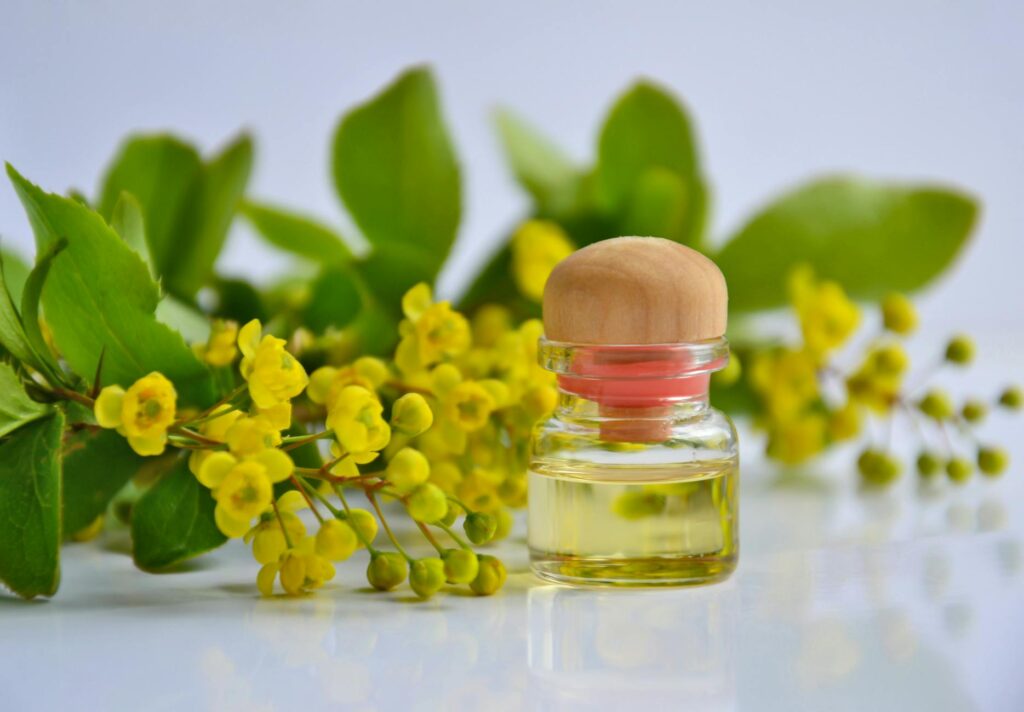
Complete Guide to DIY Aromatherapy Recipes for Seasonal Allergy Relief with Essential Oils
Introduction
Seasonal allergies, commonly referred to as hay fever, affect millions of individuals worldwide. These allergies can be triggered by a variety of environmental factors, such as pollen, dust, and mold. While traditional medicine offers relief, many individuals are turning to natural alternatives, such as essential oils and aromatherapy, to alleviate their symptoms. This guide delves into DIY aromatherapy recipes designed specifically for seasonal allergy relief, exploring the benefits, uses, applications, and safety considerations associated with essential oils.
What Is DIY Aromatherapy Recipes for Seasonal Allergy Relief with Essential Oils?
DIY aromatherapy recipes incorporate essential oils—concentrated plant extracts known for their aromatic and therapeutic properties—into various applications designed to provide relief from allergy symptoms. These recipes can be easily created at home, allowing individuals to personalize their experience according to their preferences and symptoms. Essential oils can be used in diffusers, topical blends, inhalers, and more, offering versatility in how they are applied for symptom management.
Key Benefits and Properties
Essential oils possess a range of properties that can be beneficial for those suffering from seasonal allergies. Some of the primary benefits include:
1. Anti-Inflammatory Properties: Many essential oils have anti-inflammatory effects, which can help reduce inflammation in the nasal passages and sinuses.
2. Antihistamine Effects: Certain oils may act as natural antihistamines, helping to mitigate the body’s allergic response to pollen and other allergens.
3. Decongestant Qualities: Essential oils can promote clearer breathing by acting as natural decongestants, making them ideal for treating nasal congestion.
4. Calming Effects: Allergies can be stressful, and some essential oils have calming properties that can help reduce anxiety and promote relaxation.
5. Antimicrobial Benefits: Some essential oils possess antimicrobial properties that may help keep the respiratory system free from infections, which can sometimes accompany allergies.
Common Uses
Essential oils can be employed in various ways to help alleviate seasonal allergy symptoms:
- Diffusion: Inhaling essential oils via a diffuser can promote respiratory health and enhance mood.
- Topical Applications: Diluted essential oils can be applied to the skin to relieve sinus pressure and inflammation.
- Inhalers: Portable inhalers filled with essential oils can provide on-the-go relief.
- Baths: Adding essential oils to bath water can create a soothing environment that promotes relaxation and alleviates symptoms.
- Room Sprays: Creating a spray with essential oils can help purify the air and reduce allergen exposure in living spaces.
- 4 drops of Lavender essential oil
- 3 drops of Peppermint essential oil
- 2 drops of Eucalyptus essential oil
- 2 tablespoons of carrier oil (e.g., sweet almond oil or jojoba oil)
- 5 drops of Tea Tree essential oil
- 5 drops of Lemon essential oil
- 5 drops of Peppermint essential oil
- 1 cup Epsom salt
- 10 drops of Chamomile essential oil
- 10 drops of Lavender essential oil
- 10 drops of Eucalyptus essential oil
- 10 drops of Peppermint essential oil
- 5 drops of Lavender essential oil
- 1 cup of distilled water
- 1 tablespoon of witch hazel
- 10 drops of Frankincense essential oil
- 10 drops of Lemon essential oil
Aromatherapy Applications
Here are several DIY aromatherapy recipes aimed at alleviating seasonal allergy symptoms:
1. Allergy Relief Diffuser Blend
Ingredients:
Instructions:
Add the essential oils to your diffuser filled with water. Turn it on for 30 minutes to promote clear breathing and relaxation.
2. Topical Sinus Relief Blend
Ingredients:
Instructions:
Mix the essential oils with the carrier oil in a small glass bottle. Apply a small amount to your temples, chest, and under the nose for relief from sinus pressure.
3. Calming Bath Soak
Ingredients:
Instructions:
Combine the Epsom salt and essential oils in a bowl. Add to a warm bath and soak for at least 20 minutes to relax the body and mind.
4. Portable Allergy Inhaler
Ingredients:
Instructions:
Add the essential oils to a cotton wick and insert it into an inhaler tube. Use as needed for on-the-go relief from allergy symptoms.
5. Room Spray
Ingredients:
Instructions:
Combine all ingredients in a spray bottle. Shake well before each use and spray around your living space to reduce allergens.
Safety Considerations
While essential oils are generally considered safe when used properly, it is essential to adhere to the following safety guidelines:
1. Dilution: Always dilute essential oils with a carrier oil before applying them to the skin to avoid irritation.
2. Patch Test: Conduct a patch test prior to using any new essential oil to ensure no allergic reaction occurs.
3. Avoid Sensitive Areas: Keep essential oils away from sensitive areas, such as the eyes and mucous membranes.
4. Consultation: Consult with a qualified professional or aromatherapist if you are pregnant, nursing, or have pre-existing health conditions.
5. Storage: Store essential oils in a cool, dark place to maintain their potency and prevent degradation.
Storage and Shelf Life
Essential oils should be stored in dark glass bottles to protect them from light and heat. Most essential oils have a shelf life of 1 to 3 years, depending on the oil type and storage conditions. Citrus oils, for instance, are typically more volatile and may have a shorter shelf life compared to oils like sandalwood or patchouli. Always check for any changes in aroma or color before use.
Frequently Asked Questions
1. Can essential oils completely cure seasonal allergies?
Essential oils can help alleviate symptoms but should not be seen as a complete cure. They are best used as complementary therapies alongside medical advice.
2. Are there any essential oils to avoid for seasonal allergies?
Individuals may react differently to various essential oils. It is advisable to avoid oils that are known allergens or irritants for your specific sensitivities.
3. Can children use essential oils for allergy relief?
Certain essential oils can be safe for children when properly diluted and used under adult supervision. Always consult with a healthcare professional for specific recommendations.
4. How often can I use these DIY recipes?
Usage can depend on individual tolerance and sensitivity. Generally, using these recipes multiple times a day is acceptable, but it is wise to monitor your body’s response.
5. What is the best way to diffuse essential oils?
A diffuser is an excellent option, as it disperses the oils evenly in the air. Alternatively, you can add a few drops of essential oil to a bowl of hot water and inhale the steam.
Conclusion
DIY aromatherapy recipes utilizing essential oils can serve as a natural and soothing approach to managing seasonal allergy symptoms. With a wide array of options available, individuals can tailor their experience to suit personal preferences and needs. Remember to prioritize safety and storage for the best results. While essential oils can provide relief, they should complement traditional medical advice and practices. By harnessing the power of nature, you can create a more comfortable and enjoyable environment during allergy season.