
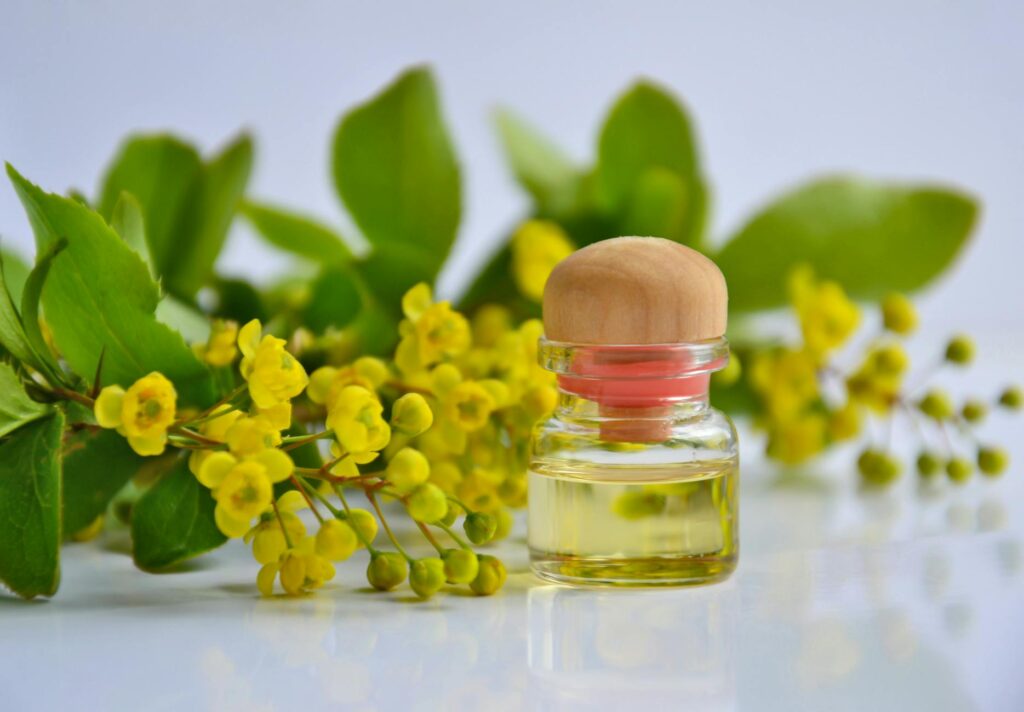
Complete Guide to DIY Aromatherapy Recipes for Seasonal Immune Strengthening
Introduction
As the seasons change, so do the challenges our immune systems face. The cold months bring along various seasonal ailments, making it essential to find natural ways to bolster our defenses. Aromatherapy, the practice of using essential oils for therapeutic benefits, has gained popularity for its potential to support wellness. This guide will explore DIY aromatherapy recipes specifically designed to strengthen the immune system during seasonal transitions.
What Is DIY Aromatherapy Recipes for Seasonal Immune Strengthening?
DIY aromatherapy recipes involve creating blends of essential oils and carrier oils to promote health and well-being. These recipes can be tailored to enhance immune function, particularly during times of the year when colds, flu, and other illnesses are more prevalent. By harnessing the natural properties of essential oils, individuals can create their own mixtures for personal use, making them both cost-effective and customizable.
Key Benefits and Properties
Essential oils possess a variety of properties that can contribute to immune support. Some key benefits include:
- Antimicrobial Properties: Many essential oils, such as tea tree and eucalyptus, exhibit antimicrobial effects that can help fight off pathogens.
- Anti-inflammatory Effects: Oils like lavender and chamomile can reduce inflammation, which is often associated with seasonal illnesses.
- Mood Enhancement: Oils such as citrus and peppermint can elevate mood and reduce stress, supporting overall well-being during challenging seasons.
- Respiratory Support: Certain oils, including peppermint and eucalyptus, are known for their ability to promote easier breathing and clear airways.
- 5 drops of tea tree oil
- 5 drops of eucalyptus oil
- 3 drops of lemon oil
- 2 tablespoons of carrier oil (e.g., coconut or almond oil)
- 10 drops of peppermint oil
- 10 drops of rosemary oil
- 5 drops of lavender oil
- 10 drops of lavender oil
- 10 drops of sweet orange oil
- 1 cup of Epsom salt
- 15 drops of frankincense oil
- 10 drops of cinnamon oil
- 1 cup of distilled water
- 1 tablespoon of witch hazel (optional)
- Dilution: Always dilute essential oils with a carrier oil before applying them to the skin to prevent irritation.
- Allergies: Conduct a patch test prior to widespread use to check for allergic reactions.
- Pregnancy and Nursing: Certain essential oils may not be safe during pregnancy or while nursing. Consult with a knowledgeable professional for guidance.
- Children and Pets: Some oils are not suitable for young children or pets. Research and ensure the safety of specific oils around them.
- Quality of Oils: Use high-quality, pure essential oils to maximize benefits and minimize risks.
- Storage: Store essential oils in dark glass bottles, away from light and heat. A cool, dry place is ideal.
- Shelf Life: Most essential oils have a shelf life of 1 to 3 years, although some, like citrus oils, may last only about 6 months. Always check for changes in aroma or consistency.
Common Uses
The following are common ways to utilize DIY aromatherapy recipes for immune strengthening:
1. Diffusion: Adding essential oil blends to a diffuser can fill a room with beneficial aromas, promoting respiratory health and emotional well-being.
2. Topical Application: Diluting essential oils with a carrier oil allows for safe application on the skin, aiding in localized relief and absorption.
3. Inhalation: Directly inhaling essential oils from the bottle or through steam can provide immediate respiratory benefits.
4. Bath Soaks: Bathing with essential oils can create a relaxing environment while also delivering the oils’ therapeutic properties through the skin.
Aromatherapy Applications
Here are some DIY aromatherapy recipes specifically designed for seasonal immune strengthening:
Immune Support Blend
Ingredients:
Instructions:
1. Mix the essential oils with the carrier oil in a small glass bottle.
2. Apply a few drops to pulse points or the chest as needed.
Respiratory Relief Inhaler
Ingredients:
Instructions:
1. Combine the oils in a small glass bottle.
2. Use a cotton wick or inhaler tube to soak up the oil mixture.
3. Inhale deeply as needed for respiratory support.
Immune-Boosting Bath Soak
Ingredients:
Instructions:
1. Mix the essential oils into the Epsom salt.
2. Add the mixture to a warm bath and soak for at least 20 minutes.
Seasonal Shield Spray
Ingredients:
Instructions:
1. Combine all ingredients in a spray bottle.
2. Shake well before each use and spray in the air or on surfaces.
Safety Considerations
While essential oils can be beneficial, it is crucial to use them safely:
Storage and Shelf Life
Proper storage of essential oils is essential for maintaining their efficacy. Consider the following guidelines:
Frequently Asked Questions
1. Can I use essential oils if I have a pre-existing condition?
It is advisable to consult with a healthcare professional or aromatherapist if you have any pre-existing conditions before using essential oils.
2. How often can I use these recipes?
The frequency of use depends on the specific recipe and individual tolerance. Generally, applying or using the recipes 1-3 times daily is common, but adjust according to personal preference and response.
3. Are there any specific oils to avoid?
Some essential oils may cause skin irritation or adverse reactions in sensitive individuals. Oils like cinnamon and clove should be used cautiously, and it’s best to avoid applying them undiluted.
4. Can I mix different oils together?
Yes, many essential oils can be blended to create unique mixtures. However, it’s important to research compatibility and potential interactions.
5. Are there any essential oils that are particularly effective for children?
Gentle oils like lavender, chamomile, and sweet orange are often well-tolerated by children when properly diluted. Always seek professional advice for age-appropriate choices.
Conclusion
DIY aromatherapy recipes offer a creative and natural approach to strengthening the immune system during seasonal changes. By understanding the properties and uses of various essential oils, individuals can craft personalized blends that suit their needs. However, it is essential to prioritize safety and quality when using essential oils. With proper knowledge and care, aromatherapy can serve as a supportive tool in maintaining wellness throughout the year.