
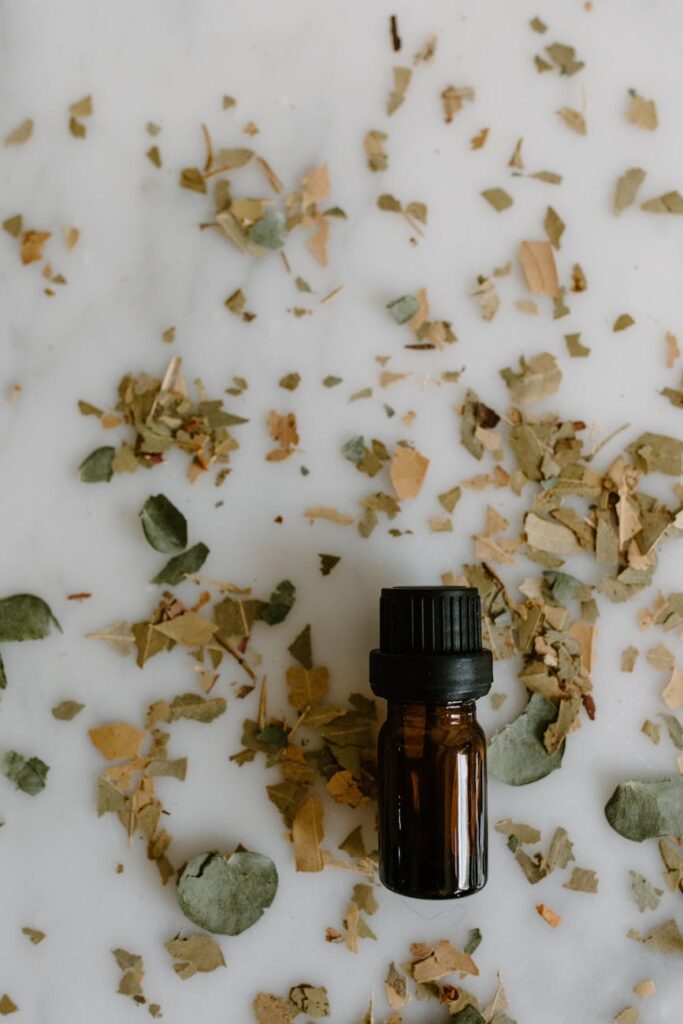
Complete Guide to DIY Aromatherapy Recipes for Seasonal Mood Changes
Introduction
As the seasons change, so do our moods and emotional states. Many individuals experience shifts in energy, motivation, and overall well-being as they transition from the vibrant colors of autumn to the chilly embrace of winter, or from the dreariness of winter to the fresh blooms of spring. Aromatherapy, the practice of using essential oils for therapeutic benefits, offers a natural and effective way to help manage these seasonal mood changes. This guide provides an overview of DIY aromatherapy recipes you can create at home, offering insights into their benefits, common uses, and application methods.
What Is DIY Aromatherapy Recipes for Seasonal Mood Changes?
DIY aromatherapy recipes utilize essential oils, which are concentrated plant extracts known for their aromatic and therapeutic properties. These recipes can be tailored to address specific emotional and psychological needs that arise during seasonal transitions. For instance, uplifting oils might be favored during the winter months when sunlight is scarce, while calming oils may be beneficial during the spring when allergies can cause discomfort. By blending various essential oils, individuals can create personalized formulations that resonate with their unique emotional landscapes.
Key Benefits and Properties
The use of essential oils in aromatherapy offers a myriad of potential benefits:
1. Emotional Balance: Certain essential oils are known for their mood-enhancing properties. For example, citrus oils like lemon and orange are often uplifting, while lavender is recognized for its calming effects.
2. Stress Reduction: Aromatherapy can help alleviate feelings of stress and anxiety, often associated with seasonal changes. Oils such as chamomile and bergamot may promote relaxation.
3. Increased Energy: Seasonal shifts can lead to lethargy. Essential oils like peppermint and rosemary are invigorating and may aid in boosting energy levels.
4. Improved Sleep Quality: As daylight hours change, sleep patterns may be disrupted. Oils like cedarwood and lavender can promote restful sleep.
5. Enhanced Focus and Clarity: Oils such as basil and lemon can help enhance concentration, making them ideal for periods of mental fatigue.
Common Uses
Aromatherapy can be integrated into various aspects of daily life, providing a holistic approach to managing seasonal mood changes. Common applications include:
- Diffusion: Adding essential oils to a diffuser can disperse their aromatic compounds throughout a room, filling the space with uplifting or calming scents.
- Topical Application: Diluted essential oils can be applied to pulse points or massaged into the skin to promote emotional balance.
- Inhalation: Simply inhaling the aroma of essential oils directly from the bottle or through a cotton ball can provide immediate relief.
- Bathing: Adding essential oils to bathwater can create a soothing and rejuvenating experience.
- Household Products: Incorporating essential oils into cleaning products can freshen the home while providing emotional benefits.
- 5 drops of Sweet Orange Essential Oil
- 3 drops of Lemon Essential Oil
- 2 drops of Grapefruit Essential Oil
- 4 drops of Lavender Essential Oil
- 3 drops of Ylang Ylang Essential Oil
- 2 drops of Bergamot Essential Oil
- 4 drops of Peppermint Essential Oil
- 3 drops of Rosemary Essential Oil
- 2 drops of Eucalyptus Essential Oil
- 5 drops of Cedarwood Essential Oil
- 3 drops of Chamomile Essential Oil
- 2 drops of Frankincense Essential Oil
- Dilution: Always dilute essential oils with a carrier oil before applying to the skin to prevent irritation. A common dilution ratio is 2-3 drops of essential oil per teaspoon of carrier oil.
- Patch Test: Conduct a patch test on a small area of skin to check for allergic reactions prior to broader application.
- Pregnancy and Nursing: Certain essential oils are not recommended for pregnant or nursing women. It is advisable to consult with a healthcare professional.
- Children and Pets: Some essential oils can be harmful to children and pets. Ensure you select oils that are safe for use around them.
- Quality: Use high-quality essential oils from reputable sources to ensure purity and efficacy.
Aromatherapy Applications
Below are some DIY recipes tailored for various seasonal moods:
1. Uplifting Citrus Blend
Ingredients:
Instructions:
1. Combine the essential oils in a small glass bottle.
2. Use in a diffuser for an energizing aroma or dilute with a carrier oil for topical application.
2. Calming Floral Blend
Ingredients:
Instructions:
1. Mix the oils in a rollerball bottle filled with carrier oil.
2. Apply to wrists and neck during moments of stress or anxiety.
3. Invigorating Herbal Blend
Ingredients:
Instructions:
1. Add the essential oils to a diffuser or a bowl of hot water for inhalation.
2. Use during periods of fatigue or when you need a mental boost.
4. Sleep-Inducing Woodsy Blend
Ingredients:
Instructions:
1. Combine the oils and add to your nighttime bath or diffuser.
2. Use before bedtime to promote restful sleep.
Safety Considerations
While essential oils are natural, they are also potent substances that require careful handling. Consider the following safety guidelines:
Storage and Shelf Life
Proper storage of essential oils is crucial for maintaining their potency. Store oils in a cool, dark place, away from direct sunlight and heat sources. Glass containers are preferred over plastic to prevent chemical leaching. Most essential oils have a shelf life of 1 to 3 years, although some oils, like citrus, may degrade more quickly. Check for any changes in color, scent, or viscosity to determine if an oil is still usable.
Frequently Asked Questions
1. Can I mix different essential oils together?
Yes, blending essential oils can create unique aromas and amplify the therapeutic effects. Experiment with different combinations to find what works best for you.
2. How often can I use aromatherapy?
Aromatherapy can be used daily. However, it’s essential to listen to your body and adjust the frequency based on your individual needs and responses.
3. Are there any essential oils I should avoid?
Yes, certain essential oils may not be suitable for everyone. Oils like wintergreen and clary sage should be used with caution, especially for pregnant women or those with specific health conditions.
4. Can essential oils replace medication for mood disorders?
While essential oils can support emotional well-being, they are not a substitute for medical treatment or therapy. Always consult a healthcare professional for guidance on managing mood disorders.
5. How can I learn more about essential oils?
Many resources are available, including books, online courses, and workshops that focus on aromatherapy and essential oils. Joining a local or online aromatherapy community can also enhance your knowledge and experience.
—
By understanding the principles of aromatherapy and utilizing DIY recipes, individuals can harness the power of essential oils to navigate the emotional ebbs and flows of seasonal changes. Through careful selection, blending, and application, one can create a personalized aromatic experience that uplifts, calms, and rejuvenates throughout the year.