
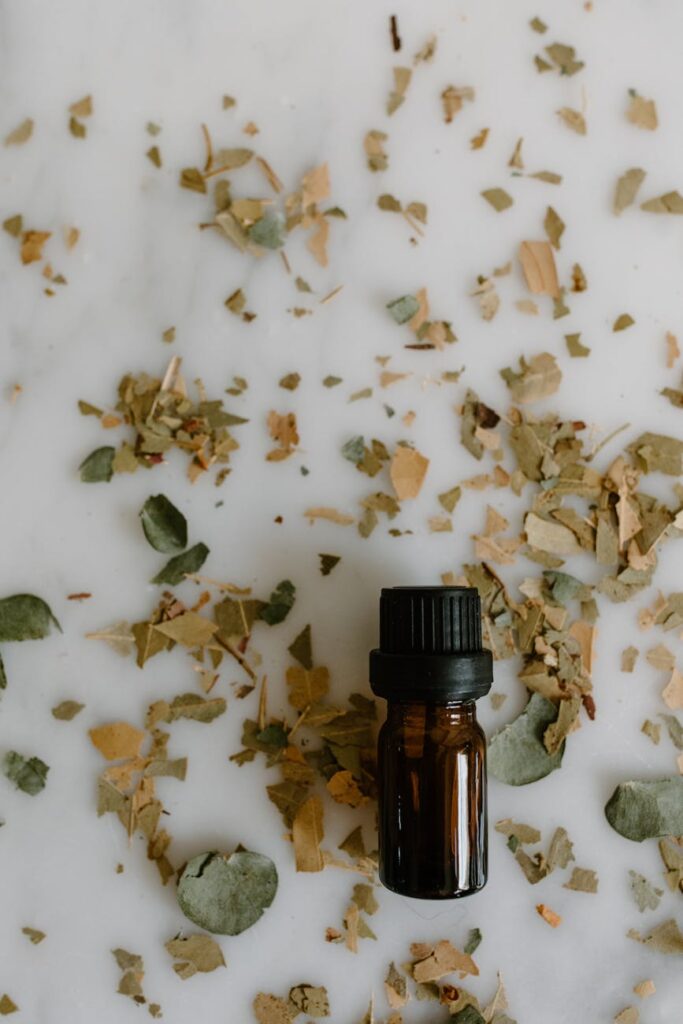
Complete Guide to DIY Aromatherapy Recipes for Seasonal Mood Regulation
Introduction
Aromatherapy, the practice of using essential oils for therapeutic purposes, has gained immense popularity as individuals seek natural ways to enhance their well-being. Seasonal changes can significantly impact mood, energy levels, and overall mental health. The use of essential oils in DIY aromatherapy recipes offers a versatile and effective approach to managing these fluctuations. This guide explores the essential aspects of creating your own aromatherapy blends to help regulate mood throughout the seasons.
What Are DIY Aromatherapy Recipes for Seasonal Mood Regulation?
DIY aromatherapy recipes involve the blending of essential oils, often combined with carrier oils or other natural ingredients, to create personalized formulations that support emotional and mental wellness. Seasonal mood regulation focuses on utilizing these blends to address common emotional challenges that arise with changes in weather, daylight, and environment. For instance, the winter months may bring feelings of sadness or lethargy, while the spring may usher in anxiety or restlessness.
By crafting your own aromatherapy recipes, you can tailor the scents and effects to suit your individual preferences and needs, creating a unique sensory experience that resonates with you.
Key Benefits and Properties
The benefits of using essential oils for mood regulation are manifold. Here are some of the key properties:
Emotional Balance
Certain essential oils are known for their calming or uplifting properties. Lavender, chamomile, and bergamot are commonly used to promote relaxation and reduce anxiety. Conversely, citrus oils like lemon and sweet orange can invigorate and uplift, helping to combat feelings of fatigue or sadness.
Stress Relief
Essential oils can serve as powerful tools for stress relief. Oils such as frankincense and ylang-ylang are often used in aromatherapy for their ability to ease tension and promote a sense of peace.
Enhanced Focus and Clarity
For those struggling with seasonal distractions or a lack of motivation, essential oils like rosemary and peppermint can help enhance mental clarity and focus. These oils stimulate the mind, making them ideal for use during transitional seasons.
Improved Sleep Quality
Sleep disturbances can often accompany seasonal changes. Oils like cedarwood and vetiver, known for their grounding properties, can aid in promoting restful sleep and improving overall sleep quality.
Common Uses
DIY aromatherapy recipes can be employed in various ways to enhance mood and well-being throughout the year. Here are some common applications:
Diffusion
Using a diffuser to disperse essential oils into the air allows for an easy and effective way to enjoy the benefits of aromatherapy. Different blends can be used in accordance with the season. For example, uplifting citrus blends may be preferred in the spring, while grounding woodsy scents may be favored in the fall.
Topical Application
Diluting essential oils with a carrier oil, such as sweet almond or jojoba oil, enables topical application. This method allows the oils to be absorbed into the skin, providing localized effects. Popular areas for application include pulse points, such as wrists and temples.
Bath Soaks
Adding essential oils to bathwater can create a soothing and aromatic experience. This method is particularly beneficial during colder months when a warm bath can provide relaxation and comfort.
Inhalation
Simply inhaling essential oils directly from the bottle or a cotton ball can offer immediate effects. This technique is useful for on-the-go mood regulation.
DIY Products
Creating personal care products, such as lotions, candles, or sprays, can also incorporate essential oils for mood enhancement.
Aromatherapy Applications
Understanding how to combine various essential oils can enhance their effectiveness for seasonal mood regulation. Here are some popular blends and recipes tailored for different seasons:
Spring Refresh Blend
Ingredients:
- 3 drops of lemon essential oil
- 2 drops of lavender essential oil
- 2 drops of peppermint essential oil
- 4 drops of sweet orange essential oil
- 2 drops of grapefruit essential oil
- 2 drops of bergamot essential oil
- 3 drops of cedarwood essential oil
- 2 drops of patchouli essential oil
- 2 drops of frankincense essential oil
- 4 drops of lavender essential oil
- 3 drops of sweet marjoram essential oil
- 2 drops of sandalwood essential oil
- Cool, Dark Place: Store essential oils in a cool, dark location away from direct sunlight and heat sources.
- Amber or Cobalt Bottles: Use dark glass bottles to protect oils from light degradation.
Application: Diffuse this blend to invigorate your space, promoting clarity and uplifting energy.
Summer Uplift Blend
Ingredients:
Application: Use in an inhaler or diffuser for a refreshing and energizing aroma perfect for hot summer days.
Autumn Grounding Blend
Ingredients:
Application: Create a calming atmosphere by diffusing this blend during fall evenings when cozy relaxation is desired.
Winter Comfort Blend
Ingredients:
Application: Add this blend to a warm bath for a relaxing experience amidst the cold winter months.
Safety Considerations
While essential oils offer many benefits, it is essential to use them safely to avoid adverse reactions. Here are some important safety considerations:
Dilution
Essential oils are highly concentrated and should generally be diluted with a carrier oil before applying to the skin to prevent irritation. A common dilution ratio is 2-3% for adults (approximately 10-15 drops of essential oil per ounce of carrier oil).
Skin Sensitivity
Conduct a patch test before applying a new blend to ensure you do not have an allergic reaction. Apply a small amount of the diluted oil to a small area of skin and wait 24 hours to observe any adverse reactions.
Pregnancy and Nursing
Certain essential oils may not be safe for pregnant or nursing women. Always consult with a healthcare professional before using essential oils in such cases.
Children and Pets
Many essential oils are not recommended for use around children or pets. Research specific oils to determine their safety for young ones and animals.
Storage and Shelf Life
Proper storage of essential oils is crucial to maintaining their potency and efficacy. Here are some tips for optimal storage:
Storage Conditions
Shelf Life
While essential oils do not expire in the traditional sense, they can lose their potency over time. Most essential oils have a shelf life of 1-3 years, while citrus oils may have a shorter shelf life. Pay attention to the scent and consistency of your oils, and discard any that have changed significantly.
Frequently Asked Questions
1. Can I mix different essential oils together?
Yes, blending different essential oils can create unique scents and enhance their therapeutic effects. Experiment with various combinations to find what works best for you.
2. How often can I use my DIY aromatherapy recipes?
You can use your aromatherapy recipes as often as you feel necessary. However, be mindful of how your body responds to the oils and adjust usage accordingly.
3. Are there specific essential oils to avoid?
Some essential oils, such as cinnamon or clove, can be irritating to the skin and should be used with caution. Additionally, certain oils are contraindicated for specific health conditions. Always research the oils you plan to use.
4. Can I use essential oils in cooking?
Some essential oils are safe for culinary use, but not all are suitable for ingestion. Ensure you are using high-quality, food-grade essential oils if you decide to incorporate them into recipes.
5. Can aromatherapy completely alleviate seasonal mood disorders?
While aromatherapy can support emotional well-being, it is not a substitute for professional treatment for mood disorders. If you are experiencing significant mood challenges, it is important to seek guidance from a qualified mental health professional.
Conclusion
Creating DIY aromatherapy recipes for seasonal mood regulation allows for a personalized approach to emotional well-being. By understanding the properties of essential oils and how to blend them effectively, individuals can harness the power of scent to enhance their mood throughout the year. With careful consideration of safety, storage, and applications, aromatherapy can become a valuable addition to your self-care routine.