
Complete Guide to DIY Aromatherapy Recipes for Seasonal Mood Support with Floral Oils
Introduction
Aromatherapy has been cherished across cultures for centuries, leveraging the natural properties of essential oils to enhance well-being and foster emotional balance. Among the multitude of essential oils available, floral oils stand out for their uplifting scents and mood-enhancing qualities. This guide delves into DIY aromatherapy recipes specifically designed to support seasonal mood fluctuations, providing you with the knowledge and tools to create your own aromatic blends.
What Is DIY Aromatherapy Recipes for Seasonal Mood Support with Floral Oils?
DIY aromatherapy involves the creation of personalized essential oil blends at home, utilizing various oils to target specific emotional or physical needs. Floral oils, derived from flowers such as lavender, rose, and chamomile, are known for their calming and uplifting properties. Seasonal mood support refers to the use of these oils to help manage emotional changes that often accompany shifts in seasons, such as winter blues or springtime allergies.
Incorporating floral oils into your daily routine can create a comforting atmosphere, promote relaxation, and enhance your overall emotional well-being. This guide will provide you with recipes and insights on how to effectively utilize floral oils for seasonal mood support.
Key Benefits and Properties
Floral oils possess unique benefits that are particularly effective in supporting mood. Here are some key properties of popular floral oils:
1. Lavender (Lavandula angustifolia): Known for its calming properties, lavender oil may help reduce anxiety and promote restful sleep.
2. Rose (Rosa damascena): Rose oil is celebrated for its ability to elevate mood and foster feelings of love and compassion. It is often used to combat feelings of sadness.
3. Chamomile (Matricaria chamomilla): With its soothing aroma, chamomile oil can help alleviate stress and promote relaxation.
4. Ylang-Ylang (Cananga odorata): This oil is known for its uplifting properties and can help reduce feelings of tension and anxiety.
5. Neroli (Citrus aurantium): Derived from the blossoms of the bitter orange tree, neroli oil is renowned for its ability to reduce stress and promote emotional balance.
Common Uses
Floral oils can be employed in various ways to enhance your emotional well-being throughout the year. Here are some common applications:
- Diffusion: Adding floral oils to a diffuser can fill your space with a calming scent, creating an inviting atmosphere.
- Topical Application: When diluted with carrier oils, floral oils can be applied to pulse points or used in massages to promote relaxation.
- Bath Soaks: Incorporating floral oils into bathwater can transform your bathing experience into a soothing ritual.
- Inhalation: Simply inhaling the scent directly from the bottle or from a cotton ball can provide immediate mood support.
- 3 drops Lavender
- 4 drops Bergamot
- 2 drops Ylang-Ylang
- 5 drops Chamomile
- 5 drops Lavender
- 1 cup Epsom salt
- 10 ml Carrier oil (e.g., sweet almond oil or jojoba oil)
- 3 drops Rose
- 3 drops Neroli
- 2 drops Lavender
- 2 drops Ylang-Ylang
- 2 drops Lavender
- Dilution: Always dilute essential oils with a carrier oil before applying them to the skin to avoid irritation.
- Patch Test: Conduct a patch test on a small area of skin to check for allergic reactions before widespread use.
- Pregnancy and Nursing: Certain essential oils may not be suitable for pregnant or nursing individuals. Consult a qualified professional for guidance.
- Medical Conditions: If you have a medical condition or are on medication, consult with a healthcare provider before using essential oils.
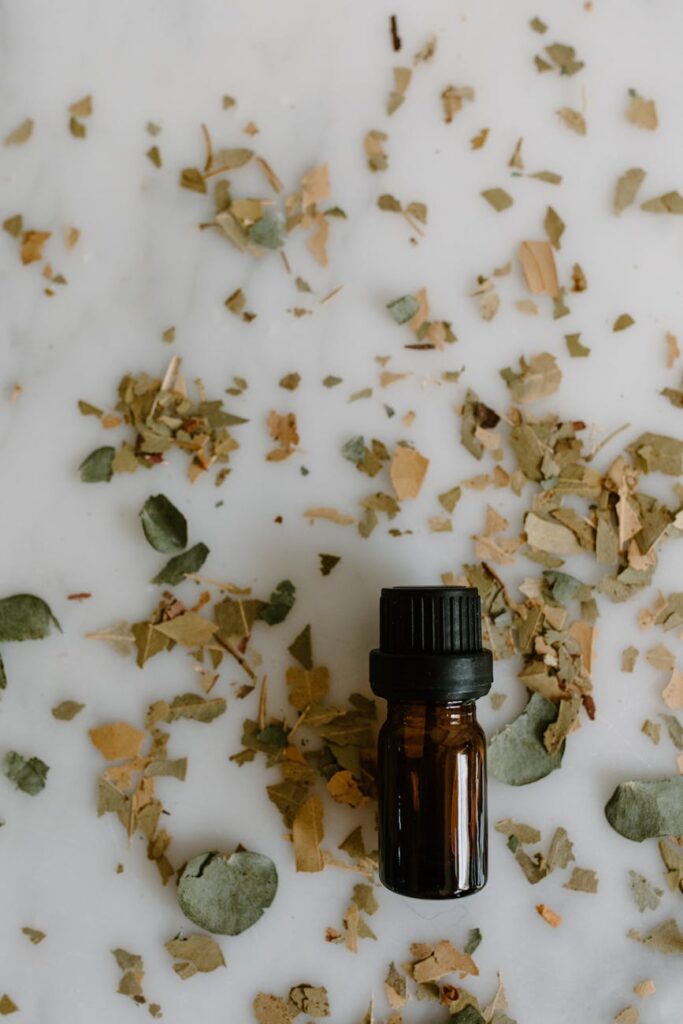
- Dark Glass Bottles: Store essential oils in dark glass bottles to protect them from light, which can degrade their quality.
- Cool, Dry Place: Keep oils in a cool, dry area away from direct sunlight and heat sources.
- Shelf Life: Most floral oils have a shelf life of 1-3 years, depending on the oil. Always check for changes in aroma or consistency before use, as these can indicate that an oil has gone bad.
Aromatherapy Applications
Creating your own DIY aromatherapy recipes can be a fulfilling and therapeutic experience. Below are some simple yet effective recipes for seasonal mood support using floral oils.
1. Uplifting Floral Diffuser Blend
Ingredients:
Instructions:
1. Add the essential oils to your diffuser.
2. Fill the diffuser with water according to the manufacturer’s instructions.
3. Turn on the diffuser and enjoy the uplifting aroma.
2. Calming Bath Soak
Ingredients:
Instructions:
1. In a bowl, mix the Epsom salt with the essential oils until well combined.
2. Add the mixture to a warm bath and soak for at least 20 minutes.
3. Mood-Boosting Roll-On
Ingredients:
Instructions:
1. In a roll-on bottle, combine the carrier oil and essential oils.
2. Replace the roller top and shake gently to mix.
3. Apply to pulse points as needed.
4. Inhalation Blend
Ingredients:
Instructions:
1. Place the essential oils on a cotton ball or tissue.
2. Inhale deeply whenever you need a mood boost.
Safety Considerations
While floral oils are generally safe when used correctly, it is essential to follow certain precautions:
Storage and Shelf Life
Proper storage of essential oils is crucial for maintaining their potency and effectiveness. Here are some tips for storage:
Frequently Asked Questions
1. Can I mix floral oils with other essential oils?
Yes, floral oils can be blended with other essential oils to create customized scents and benefits. Experiment with different combinations to find what works best for you.
2. How often can I use floral oils for mood support?
You can use floral oils daily, but it’s essential to listen to your body and adjust your usage based on how you feel.
3. Are there any oils I should avoid during pregnancy?
Certain essential oils, such as rosemary and sage, should be avoided during pregnancy. Always consult a healthcare provider for personalized advice.
4. Can I use floral oils on my children?
Many floral oils can be used safely on children, but it’s essential to dilute them appropriately and consult a healthcare professional for specific guidance.
5. How can I enhance the effects of floral oils?
Complement your use of floral oils with practices such as mindfulness, meditation, or gentle yoga to enhance their effects on your mood.
Conclusion
DIY aromatherapy with floral oils offers a natural and effective way to support your emotional well-being throughout the seasons. By understanding the benefits, applications, and safety considerations associated with these oils, you can create personalized blends that resonate with your unique needs. Embrace the beauty of floral aromas and explore the transformative potential they hold for seasonal mood support.