
Complete Guide to DIY Aromatherapy Recipes for Seasonal Mood Support with Herbal Blends
Introduction
As the seasons change, so too can our moods and emotional states. Many individuals seek natural methods to navigate these shifts, and aromatherapy offers an accessible and enjoyable approach. By harnessing the power of essential oils and herbal blends, you can create personalized DIY recipes that support emotional well-being throughout the year. This guide will explore the principles of DIY aromatherapy recipes, their benefits, common uses, and practical applications to help you navigate seasonal changes with ease.
What Is DIY Aromatherapy Recipes for Seasonal Mood Support with Herbal Blends?
DIY aromatherapy involves creating your own blends of essential oils, often combined with herbs, to enhance emotional health and well-being. Seasonal mood support focuses on addressing the emotional fluctuations that may occur with changing weather, daylight variations, and other seasonal factors. By using specific essential oils and herbs, one can craft unique blends that resonate with the energy of each season.
Essential oils are extracted from various parts of plants, offering concentrated aromatic compounds that can evoke emotional responses and stimulate the senses. When combined with herbs—whether dried, infused, or as essential oils—the resulting blends can amplify the therapeutic effects and provide a holistic experience.
Key Benefits and Properties
Emotional Balance
Many essential oils possess properties that can help stabilize moods. For instance, citrus oils like lemon and orange are known for their uplifting qualities, while grounding oils such as cedarwood and frankincense can promote calm and centering.
Stress Relief
Certain oils, such as lavender and chamomile, are renowned for their relaxing effects, helping to alleviate stress and tension. Combining these with herbs like lemon balm can create a soothing aromatic experience.
Enhanced Focus
Blends designed for clarity and concentration may include oils like rosemary and peppermint, which can invigorate the mind and support cognitive function.
Seasonal Adaptation
Seasonal changes often bring about unique emotional challenges, such as winter blues or springtime anxiety. Tailoring your blends to address these specific needs can provide targeted support.
Common Uses
Diffusion
Using a diffuser is one of the most popular methods for dispersing essential oils into the air. It allows for the gentle release of aromas, creating an inviting atmosphere conducive to emotional balance.
Topical Application
Blending essential oils with a carrier oil can create a topical application suitable for massages or pulse point application. Care should be taken to ensure proper dilution to avoid skin irritation.
Bathing
Adding essential oils to bathwater can enhance relaxation and create a serene bathing experience. This method allows the oils to be absorbed through the skin and inhaled simultaneously.
Inhalation
Simply inhaling the scent of essential oils directly from the bottle or from a cotton ball can provide immediate benefits. This method is particularly useful for on-the-go stress relief or focus enhancement.
Aromatherapy Applications
Spring: Renewal and Growth
Blend for Upliftment
- Essential Oils: Lemon, Bergamot, and Peppermint
- Herbs: Fresh Mint and Basil
- Recipe: Combine 5 drops of each essential oil and a few crushed mint leaves in a diffuser. This blend can invigorate the spirit and promote feelings of renewal.
- Essential Oils: Sweet Orange, Grapefruit, and Ylang Ylang
- Herbs: Lavender and Chamomile
- Recipe: Mix 4 drops of each essential oil with dried lavender and chamomile in a carrier oil for a refreshing body oil. This uplifting blend can help celebrate the vibrant energy of summer.
- Essential Oils: Cedarwood, Clary Sage, and Frankincense
- Herbs: Rosemary and Thyme
- Recipe: Combine 3 drops of each essential oil with a few sprigs of dried rosemary and thyme in a diffuser. This grounding blend can support a reflective state as the days shorten.
- Essential Oils: Cinnamon, Ginger, and Vanilla
- Herbs: Clove and Nutmeg
- Recipe: Mix 2 drops of each essential oil with a pinch of clove and nutmeg in a warm bath. This cozy blend can evoke feelings of warmth and comfort during the cold winter months.
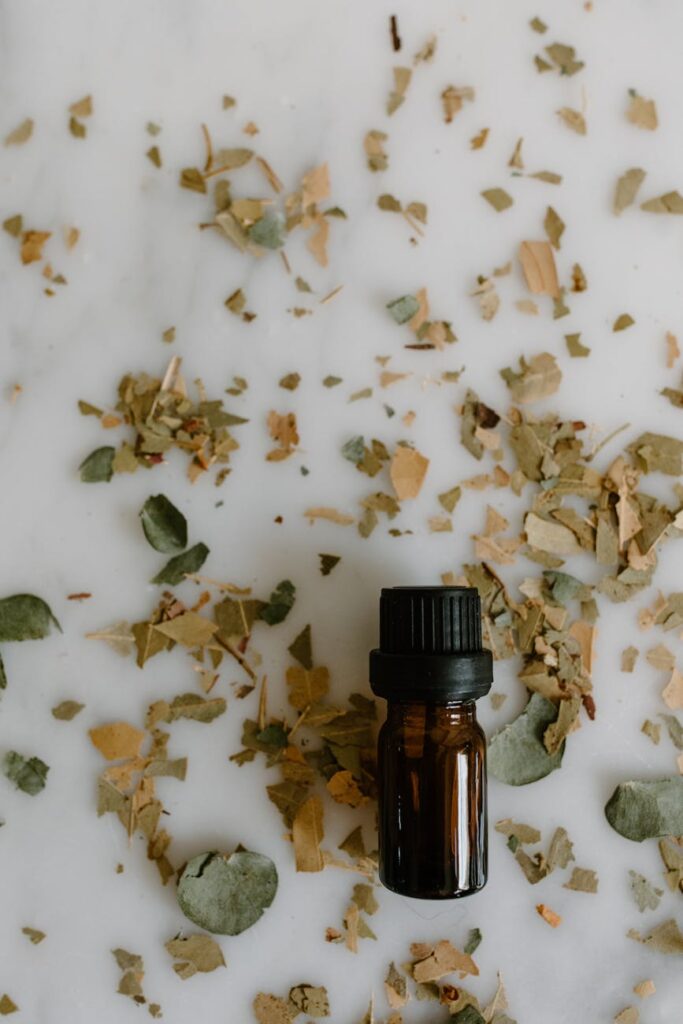
- Containers: Use dark glass bottles to protect oils from light degradation.
- Temperature: Store oils in a cool, dry place to avoid heat exposure.
- Shelf Life: Most essential oils have a shelf life of 1-3 years, depending on the type. Citrus oils tend to have a shorter shelf life, while some resins and woods can last longer.
Summer: Joy and Vitality
Blend for Joy
Autumn: Reflection and Grounding
Blend for Centering
Winter: Comfort and Warmth
Blend for Comfort
Safety Considerations
When creating and using DIY aromatherapy recipes, it is vital to consider safety to prevent adverse effects. Here are some key points:
1. Dilution: Essential oils are potent and should be diluted with a carrier oil (such as jojoba or sweet almond oil) when applied to the skin. A general guideline is to use 1-2% dilution for topical applications (about 5-12 drops of essential oil per ounce of carrier oil).
2. Skin Sensitivity: Always perform a patch test by applying a small amount of the diluted oil to an inconspicuous area of skin to check for any allergic reactions.
3. Pregnancy and Nursing: Certain essential oils may not be suitable for use during pregnancy or breastfeeding. It is advisable to consult with a health professional regarding safe options.
4. Children and Pets: Use caution when using essential oils around children and pets, as some oils can be toxic or irritating to them. Research safe options before use.
5. Storage: Store essential oils in dark glass bottles away from sunlight and heat to maintain their potency and integrity.
Storage and Shelf Life
Proper storage is crucial for maintaining the quality of essential oils and herbal blends. Here are some tips:
Frequently Asked Questions
Can I mix different essential oils together?
Yes, blending essential oils can create synergistic effects. Experiment with different combinations to find what resonates best with you.
How do I know which essential oils to choose for my mood?
Consider your emotional state and the qualities you wish to enhance. Research the properties of various essential oils to guide your selections.
Can I use dried herbs in my aromatherapy recipes?
Yes, dried herbs can enhance your blends. They can be used in diffusion, topical applications, or infused in carrier oils.
How often can I use my DIY blends?
The frequency of use can vary based on personal preference and the specific blend. Listening to your body and adjusting as needed is essential.
Are there any essential oils to avoid?
Certain oils may cause skin irritation or allergic reactions. Always research the oils you plan to use and consult knowledgeable sources if unsure.
Conclusion
Creating DIY aromatherapy recipes for seasonal mood support with herbal blends is an empowering way to navigate the emotional ebbs and flows of the year. By understanding the properties of essential oils and herbs, you can craft personalized blends that resonate with your emotional needs. With thoughtful application and safety considerations, these aromatic creations can enrich your seasonal experiences and foster a sense of well-being. Embrace the art of aromatherapy and enjoy the journey of self-care through scent.