
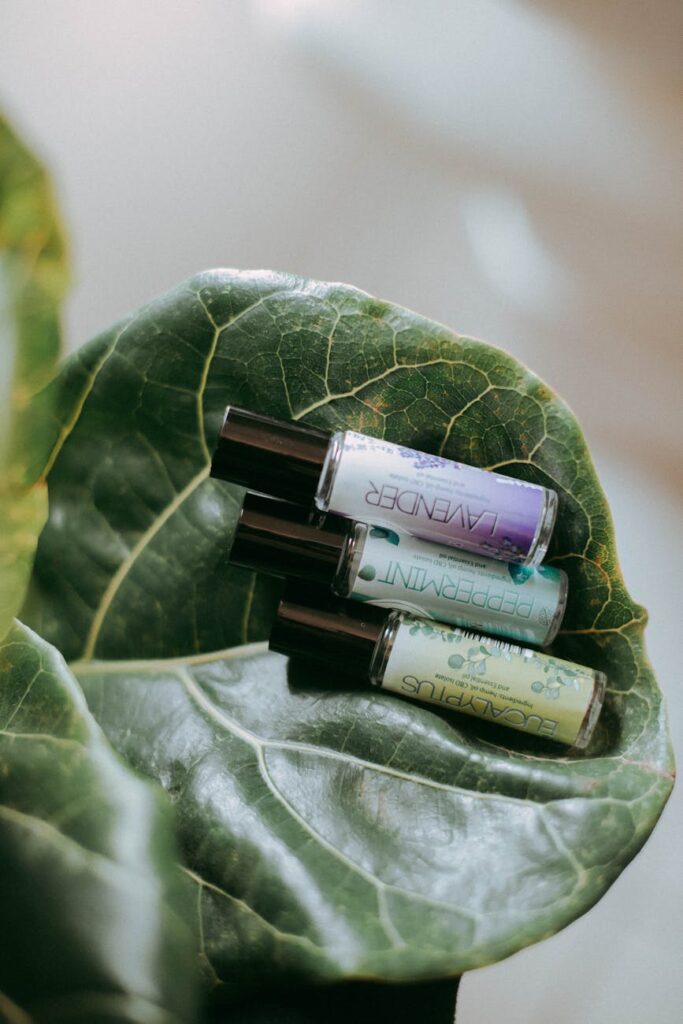
Complete Guide to DIY Aromatherapy Recipes for Seasonal Mood Support with Peppermint Oil
Introduction
Aromatherapy, the practice of using essential oils for therapeutic benefits, has gained popularity for its potential to promote emotional well-being and support seasonal mood fluctuations. Among the vast array of essential oils available, peppermint oil stands out for its invigorating and uplifting properties. This guide delves into the benefits of peppermint oil and provides a variety of DIY aromatherapy recipes specifically designed to support mood during different seasons.
What Is DIY Aromatherapy Recipes for Seasonal Mood Support with Peppermint Oil?
DIY aromatherapy involves creating personalized blends of essential oils to address specific emotional or physical needs. Peppermint oil, derived from the leaves of the Mentha × piperita plant, is known for its fresh, minty aroma and numerous applications. Seasonal changes can impact mood, and using peppermint oil in your aromatherapy recipes can help uplift spirits, enhance mental clarity, and provide a refreshing energy boost.
This guide offers a range of DIY recipes that highlight the versatility of peppermint oil, allowing individuals to create their own mood-enhancing blends tailored to the changing seasons.
Key Benefits and Properties
Peppermint oil possesses a variety of properties that contribute to its effectiveness in aromatherapy:
1. Uplifting and Energizing: The invigorating scent of peppermint can help combat feelings of fatigue and lethargy, making it an excellent choice for uplifting mood during the winter blues or springtime allergies.
2. Mental Clarity: Many users report enhanced focus and concentration when using peppermint oil, making it beneficial during periods of emotional overwhelm or seasonal stress.
3. Cooling Sensation: The menthol component in peppermint provides a refreshing and cooling sensation, which can be soothing during hot summer months.
4. Aromatherapeutic Effects: The aroma of peppermint has been linked to improved respiratory function, which can be particularly helpful during allergy season.
5. Versatility: Peppermint oil can be blended with other essential oils to create synergistic effects, enhancing its mood-supporting properties.
Common Uses
Peppermint oil can be employed in various ways within the realm of aromatherapy. Its most common uses include:
- Diffusion: Adding peppermint oil to a diffuser to disperse the aroma throughout a space, promoting an uplifting atmosphere.
- Inhalation: Directly inhaling peppermint oil from the bottle or from a cotton ball for immediate mood support.
- Topical Application: Diluting peppermint oil with a carrier oil for massage or skincare, harnessing its benefits through skin absorption.
- Bathing: Incorporating peppermint oil into bathwater for a refreshing and relaxing experience.
- 5 drops of peppermint oil
- 3 drops of lemon oil
- 2 drops of rosemary oil
- 10 drops of peppermint oil
- 10 drops of lavender oil
- 2 cups of distilled water
- 1 tablespoon of witch hazel (optional, for emulsification)
- 6 drops of peppermint oil
- 6 drops of eucalyptus oil
- 1 cup of Epsom salt
- 5 drops of peppermint oil
- 5 drops of lemon oil
- Inhaler sticks or cotton pads
- Dilution: Always dilute peppermint oil with a carrier oil before applying it to the skin, particularly for those with sensitive skin.
- Patch Test: Conduct a patch test on a small area of skin to check for any adverse reactions before extensive use.
- Pregnancy and Nursing: Consult with a healthcare professional if pregnant or nursing before using peppermint oil.
- Children and Pets: Use caution when using essential oils in households with young children or pets, as some oils can be irritating or harmful.
- Keep in a Cool, Dark Place: Essential oils should be stored away from direct sunlight and heat sources to prevent degradation.
- Use Amber or Dark Glass Bottles: These containers help protect the oils from light exposure.
- Shelf Life: Peppermint oil typically has a shelf life of 1 to 3 years when stored properly. Check for any changes in aroma or consistency before use.
Aromatherapy Applications
1. Peppermint Mood Booster Blend
Ingredients:
Instructions:
1. Combine the essential oils in a glass dropper bottle.
2. Add a carrier oil (like jojoba or sweet almond) if you intend to apply topically.
3. Use in a diffuser or inhale directly for an immediate mood boost.
2. Seasonal Refreshing Room Spray
Ingredients:
Instructions:
1. Mix the essential oils with witch hazel in a spray bottle.
2. Add distilled water and shake well before each use.
3. Spray around your home to create a refreshing atmosphere.
3. Energizing Bath Soak
Ingredients:
Instructions:
1. Combine the essential oils with Epsom salt in a bowl.
2. Add the mixture to a warm bath and soak for at least 20 minutes.
3. This blend can help invigorate the senses and promote relaxation.
4. Focus and Clarity Inhaler
Ingredients:
Instructions:
1. Add the essential oils to the inhaler sticks or soak cotton pads with the blend.
2. Inhale deeply whenever you need a mental boost or clarity during seasonal transitions.
Safety Considerations
While peppermint oil is generally regarded as safe for use in aromatherapy, certain precautions should be observed:
Storage and Shelf Life
Proper storage is essential to maintain the efficacy of peppermint oil and any DIY blends. Here are some tips:
Frequently Asked Questions
1. Can peppermint oil help with seasonal allergies?
While peppermint oil may provide temporary relief from respiratory discomfort associated with seasonal allergies, it is not a substitute for medical treatment. Its invigorating scent can help open airways and promote easier breathing.
2. How can I incorporate peppermint oil into my daily routine?
You can add peppermint oil to your diffuser, apply diluted oil to pulse points, or use it in a bath for a refreshing experience. Experiment with different applications to find what works best for you.
3. Is it safe to use peppermint oil during pregnancy?
Consult with a healthcare professional before using peppermint oil if you are pregnant or nursing, as some essential oils may not be recommended during these periods.
4. Can I use peppermint oil for headaches?
Peppermint oil is often used as a natural remedy for headaches. Applying a diluted blend to the temples may provide a cooling sensation and alleviate tension. However, individual responses may vary.
5. How can I blend peppermint oil with other essential oils?
Peppermint oil blends well with citrus oils (like lemon and orange), herbal oils (like rosemary and thyme), and other mint varieties. Start with a basic ratio of 3:1 or 2:1 for peppermint to other oils and adjust based on personal preference.
Conclusion
Peppermint oil is a versatile essential oil that offers numerous benefits for seasonal mood support. By incorporating DIY aromatherapy recipes into your routine, you can harness its uplifting properties and enhance your well-being throughout the year. Remember to prioritize safety and storage practices to ensure the longevity and effectiveness of your essential oils. With the right knowledge and creative blends, you can create a refreshing and supportive environment for yourself and your loved ones.