
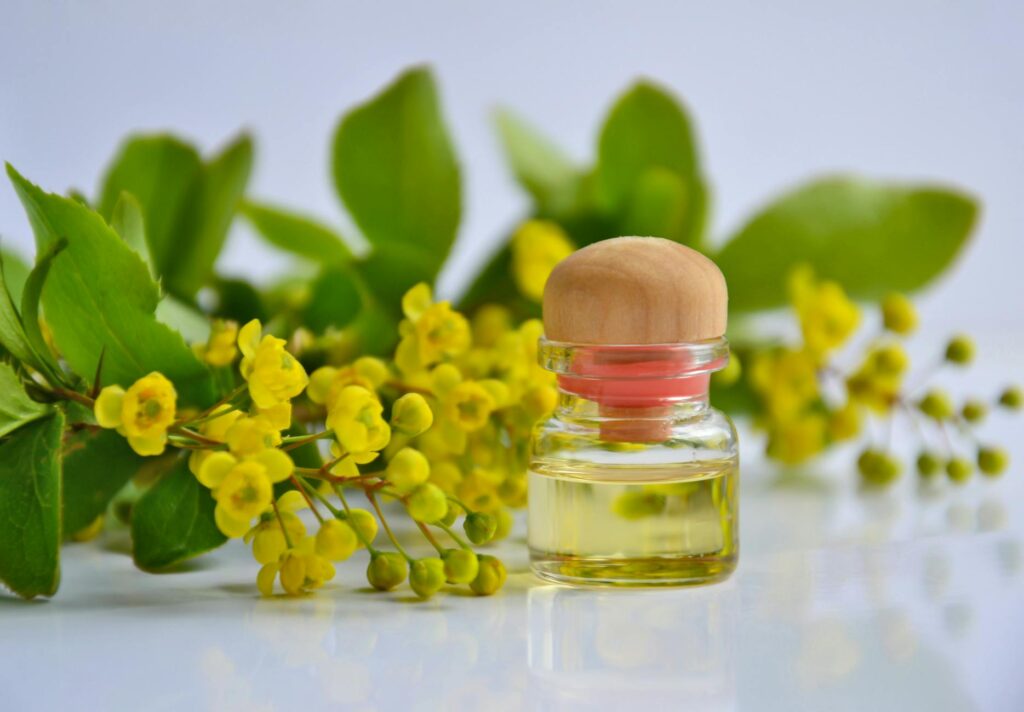
Complete Guide to DIY Aromatherapy Recipes for Seasonal Skin Nourishment
Introduction
As the seasons change, so do our skincare needs. The transition from the warmth of summer to the chill of winter, or the freshness of spring to the dryness of autumn, can have a significant impact on our skin. One effective and holistic approach to addressing these changes is through the use of essential oils and aromatherapy. This guide will explore the concept of DIY aromatherapy recipes specifically tailored for seasonal skin nourishment, providing insights into their benefits, applications, and safety considerations.
What Is DIY Aromatherapy Recipes for Seasonal Skin Nourishment?
DIY aromatherapy recipes involve the blending of essential oils with carrier oils and other natural ingredients to create personalized skincare solutions. These recipes are designed to harness the therapeutic properties of essential oils, which are concentrated plant extracts known for their aromatic and medicinal qualities. When applied topically, these oils can help nourish and rejuvenate the skin, addressing seasonal concerns such as dryness, irritation, and loss of elasticity.
Understanding Essential Oils
Essential oils are derived from various parts of plants, including leaves, flowers, seeds, and roots. They carry the unique fragrance and therapeutic properties of their source, making them potent allies in skincare. Common essential oils used for skin nourishment include lavender, tea tree, chamomile, frankincense, and rose.
Carrier Oils
Carrier oils are used to dilute essential oils and facilitate their application on the skin. They not only help in spreading essential oils but also provide additional nourishing properties. Popular carrier oils include jojoba oil, sweet almond oil, coconut oil, and argan oil.
Key Benefits and Properties
Using DIY aromatherapy recipes for seasonal skin nourishment offers a myriad of benefits. Here are some of the key properties of essential oils that make them particularly effective in addressing skin concerns:
Hydration
Many essential oils possess hydrating properties that can help to maintain moisture levels in the skin. Oils like geranium and rose are known for their ability to enhance skin hydration.
Anti-Inflammatory Effects
Certain essential oils, such as chamomile and lavender, have anti-inflammatory properties that can soothe irritated skin, making them suitable for seasonal changes that cause redness or discomfort.
Antioxidant Protection
Essential oils like frankincense and rosehip are rich in antioxidants, which help protect the skin from environmental stressors and free radicals that can lead to premature aging.
Balancing Oil Production
Some oils, like tea tree and lavender, can help balance sebum production, making them beneficial for both oily and dry skin types.
Common Uses
The versatility of DIY aromatherapy recipes allows for various applications, depending on seasonal skin needs. Below are some common uses:
Moisturizers
Create nourishing lotions or creams that hydrate and protect the skin during dry months, such as winter.
Serums
Formulate lightweight serums that penetrate deeply to deliver essential nutrients and moisture, ideal for transitioning seasons like spring and autumn.
Exfoliants
Combine essential oils with natural exfoliants like sugar or coffee to create gentle scrubs that remove dead skin cells and promote a fresh appearance.
Masks
Craft face masks using essential oils with calming and rejuvenating properties to provide intensive treatments during seasonal transitions.
Aromatherapy Applications
When creating DIY aromatherapy recipes for skin nourishment, consider the following applications:
Facial Oils
Recipe: Nourishing Facial Oil for Winter
- Ingredients:
- 2 tablespoons jojoba oil
- 2 drops lavender essential oil
- 2 drops frankincense essential oil
- 1 drop geranium essential oil
- Instructions:
- Ingredients:
- 1 cup shea butter
- 1/2 cup coconut oil
- 20 drops of ylang-ylang essential oil
- 10 drops of bergamot essential oil
- Instructions:
- Ingredients:
- 1 cup coffee grounds
- 1/2 cup coconut oil (melted)
- 5 drops of peppermint essential oil
- Instructions:
- Ingredients:
- 2 tablespoons honey
- 1 tablespoon yogurt
- 2 drops chamomile essential oil
- Instructions:
- Store blends in dark glass containers to protect them from light.
- Keep them in a cool, dry place to prevent degradation.
- Label containers with ingredients and creation dates.
- For dry skin, opt for oils like lavender and geranium.
- For oily or acne-prone skin, tea tree and rosemary are good choices.
1. Combine all ingredients in a small glass dropper bottle.
2. Shake gently to mix.
3. Apply a few drops to clean skin, massaging in gently.
Body Butters
Recipe: Hydrating Body Butter for Summer
1. Melt shea butter and coconut oil in a double boiler until fully liquefied.
2. Remove from heat and allow to cool slightly.
3. Stir in essential oils and mix well.
4. Whip the mixture with a hand mixer until fluffy and light.
5. Store in a glass jar and apply as needed.
Exfoliating Scrubs
Recipe: Revitalizing Coffee Scrub for Autumn
1. Combine coffee grounds and melted coconut oil in a bowl.
2. Add essential oil and mix well.
3. Use in the shower, massaging onto damp skin in circular motions before rinsing off.
Calming Face Masks
Recipe: Soothing Chamomile Face Mask for Spring
1. Mix honey and yogurt in a bowl.
2. Add chamomile essential oil and stir until well combined.
3. Apply to clean face and leave on for 15-20 minutes before rinsing.
Safety Considerations
While DIY aromatherapy recipes can be beneficial, safety should be a priority:
Patch Testing
Always conduct a patch test before applying new essential oil blends to ensure there are no adverse reactions. Apply a small amount to an inconspicuous area and wait 24 hours.
Dilution
Essential oils are highly concentrated and must be diluted with carrier oils before topical application to avoid skin irritation.
Essential Oil Quality
Use high-quality, pure essential oils from reputable sources. Adulterated oils may not provide the desired benefits and can cause skin issues.
Avoid Certain Oils
Some essential oils are not suitable for all skin types or conditions. For example, citrus oils can increase photosensitivity, so avoid applying them before sun exposure.
Storage and Shelf Life
Proper storage of your DIY aromatherapy recipes is essential to maintain their efficacy:
Storage Tips
Shelf Life
Most homemade skincare products can last from 6 months to a year, depending on the ingredients used. Monitor for any changes in smell or texture, which may indicate spoilage.
Frequently Asked Questions
Can I use essential oils directly on my skin?
No, essential oils should always be diluted with a carrier oil before topical application to prevent skin irritation and adverse reactions.
How do I choose the right essential oils for my skin type?
Consider your skin’s specific needs:
Can I use these recipes during pregnancy?
Certain essential oils should be avoided during pregnancy. It is essential to consult a qualified expert before using any essential oils.
Is it safe to use essential oils around children?
Some essential oils are safe for children, while others are not. Always check for age-appropriate usage and consult guidelines or experts.
Conclusion
Creating DIY aromatherapy recipes for seasonal skin nourishment is a rewarding and beneficial practice. By harnessing the power of essential oils, individuals can tailor their skincare to meet the demands of changing seasons, ensuring that their skin remains healthy, hydrated, and radiant. With the right knowledge and precautions, DIY aromatherapy can enhance not only skin health but overall well-being, providing a natural and holistic approach to personal care.