
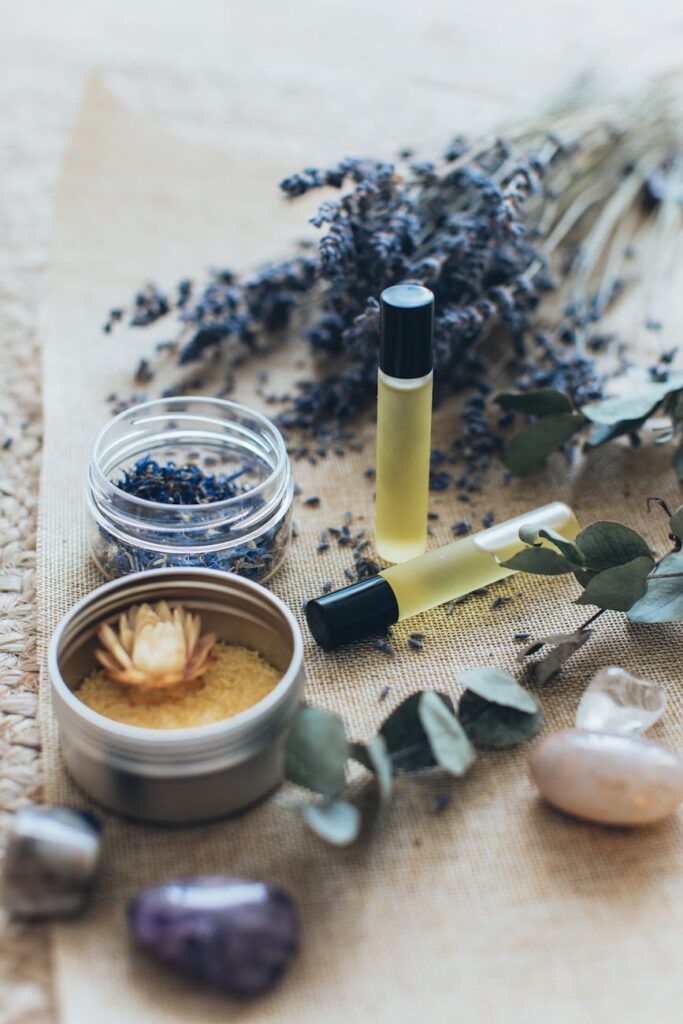
Complete Guide to DIY Aromatherapy Recipes for Skin Healing with Lavender Oil
Introduction
Aromatherapy has gained popularity in recent years as a holistic approach to enhancing well-being, particularly through the use of essential oils. One of the most revered oils in aromatherapy is lavender oil, known for its soothing properties and versatility in skincare. This guide will explore the essence of DIY aromatherapy recipes specifically aimed at skin healing using lavender oil. Whether you are a novice or an experienced aromatherapist, this comprehensive resource will provide you with essential information, recipes, and safety tips.
What Is DIY Aromatherapy Recipes for Skin Healing with Lavender Oil?
DIY aromatherapy recipes involve creating your own blends and products at home using essential oils, carrier oils, and other natural ingredients. Lavender oil, derived from the flowers of the lavender plant (Lavandula angustifolia), has long been cherished for its calming fragrance and therapeutic properties. When combined with other natural ingredients, it can be an effective component in skin healing formulations.
Lavender oil is particularly noted for its ability to promote relaxation, alleviate stress, and support skin health. Making your own aromatherapy products allows you to customize blends to suit your individual needs and preferences while ensuring the quality of ingredients used.
Key Benefits and Properties
Lavender oil is celebrated not only for its delightful aroma but also for its remarkable benefits, particularly in the realm of skincare. Here are some key properties:
1. Anti-inflammatory: Lavender oil can help reduce inflammation and redness, making it beneficial for conditions like acne and eczema.
2. Antimicrobial: Its natural antimicrobial properties can aid in preventing infections and can be beneficial for minor cuts and scrapes.
3. Calming and Relaxing: The soothing scent of lavender oil can promote relaxation and reduce stress, which can indirectly benefit the skin by preventing stress-related breakouts.
4. Moisturizing: When combined with carrier oils, lavender can enhance skin hydration and softness.
5. Wound Healing: Lavender oil has been traditionally used to promote the healing of minor wounds and burns.
Common Uses
Lavender oil can be used in various forms for skincare, including:
- Facial oils: Combining lavender with carrier oils like jojoba or almond oil for facial treatments.
- Lotions and creams: Incorporating lavender oil into homemade lotions for added skin benefits.
- Bath products: Adding lavender oil to bath soaks or bath bombs for a relaxing experience.
- Compresses: Using lavender oil in warm or cold compresses for targeted relief.
- Inhalation: Although not a topical application, inhaling lavender can help reduce stress and promote a sense of well-being, which is vital for overall skin health.
- 2 tablespoons jojoba oil (or another carrier oil)
- 10 drops lavender essential oil
- 1/2 cup coconut oil
- 1/4 cup beeswax pellets
- 15 drops lavender essential oil
- 1 cup Epsom salt
- 1/2 cup baking soda
- 15 drops lavender essential oil
- Dried lavender buds (optional)
- 1 cup warm water
- 5 drops lavender essential oil
- A clean cloth
- Dilution: Always dilute essential oils with a carrier oil before applying them to the skin to avoid irritation.
- Patch Test: Conduct a patch test on a small area of skin to check for allergic reactions before using any new formulation.
- Pregnancy and Nursing: Consult with a healthcare provider before using essential oils during pregnancy or nursing.
- Storage: Keep essential oils out of reach of children and pets, as they can be harmful if ingested.
Aromatherapy Applications
1. Lavender Facial Oil
Ingredients:
Instructions:
1. In a small glass dropper bottle, combine the jojoba oil and lavender oil.
2. Shake gently to mix.
3. Apply a few drops to clean skin, massaging gently in circular motions.
2. Lavender Healing Salve
Ingredients:
Instructions:
1. In a double boiler, melt the coconut oil and beeswax together until fully combined.
2. Remove from heat and let cool slightly before adding the lavender oil.
3. Pour the mixture into small containers and allow it to solidify.
3. Lavender Bath Soak
Ingredients:
Instructions:
1. In a bowl, mix the Epsom salt and baking soda.
2. Add the lavender oil and stir until evenly distributed.
3. Add dried lavender buds for added texture and fragrance.
4. Store in an airtight jar and add a scoop to your bath water as desired.
4. Lavender Compress
Ingredients:
Instructions:
1. In a bowl, mix the warm water and lavender oil.
2. Soak the cloth in the mixture and wring out excess water.
3. Apply the compress to the affected area for soothing relief.
Safety Considerations
While lavender oil is generally considered safe for topical use, certain precautions should be taken:
Storage and Shelf Life
Essential oils should be stored in a cool, dark place to maintain their potency. Lavender oil, when properly stored, has a shelf life of approximately 3-5 years. Homemade products, such as salves and lotions, typically last for 6 months to a year, depending on the freshness of the ingredients used and the presence of preservatives. To extend shelf life, consider refrigerating your homemade products.
Frequently Asked Questions
1. Can lavender oil be used on sensitive skin?
Lavender oil can be beneficial for sensitive skin, but it should always be diluted and patch-tested first.
2. Is lavender oil safe for children?
Lavender oil can be used for children aged 2 and above, but it’s best to consult with a healthcare professional for specific guidance.
3. How often can I use lavender oil on my skin?
You can use lavender oil daily in DIY formulations, but monitor your skin’s response and adjust frequency as needed.
4. Can I mix lavender oil with other essential oils?
Yes, lavender oil blends well with many other essential oils, such as bergamot, chamomile, and frankincense, for enhanced benefits.
5. What are some signs of lavender oil irritation?
Signs of irritation can include redness, itching, or a burning sensation. If any of these occur, discontinue use immediately.
Conclusion
Lavender oil is a versatile and beneficial ingredient in DIY aromatherapy recipes for skin healing. With its numerous properties and applications, it can enhance your skincare routine and promote overall well-being. By following the recipes and safety guidelines presented in this guide, you can create your own natural skincare products at home. Always remember to listen to your body and consult with a healthcare professional if you have any concerns regarding the use of essential oils. Happy crafting!