
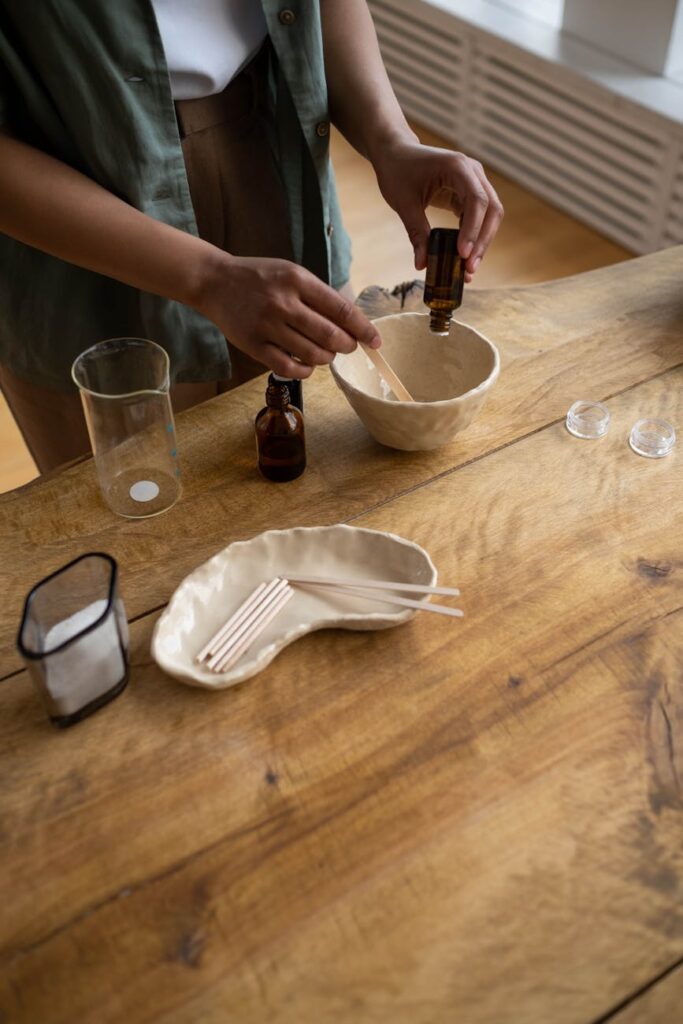
Complete Guide to DIY Aromatherapy Recipes for Skin Healing with Tea Tree Oil
Introduction
Aromatherapy, the practice of using essential oils for therapeutic benefits, has gained popularity as a natural approach to skin care. Among the myriad of essential oils available, tea tree oil stands out for its remarkable properties and versatility. This guide will explore DIY aromatherapy recipes specifically designed for skin healing with tea tree oil, allowing you to harness its benefits in a creative and effective manner.
What Is DIY Aromatherapy Recipes for Skin Healing with Tea Tree Oil?
DIY aromatherapy recipes involve blending essential oils with carrier oils, butters, or other ingredients to create topical formulations that can benefit skin health. Tea tree oil, scientifically known as Melaleuca alternifolia, is derived from the leaves of the tea tree and is renowned for its antimicrobial, anti-inflammatory, and antiseptic properties. When incorporated into DIY recipes, tea tree oil can help address various skin concerns, from acne to minor irritations and beyond.
Key Benefits and Properties
Tea tree oil boasts a range of beneficial properties that make it particularly suitable for skin healing. Some of the key benefits include:
- Antimicrobial Action: Tea tree oil is effective against a variety of bacteria, fungi, and viruses, making it a popular choice for treating skin infections and acne.
- Anti-inflammatory Properties: The oil can help reduce redness and swelling, making it useful for soothing irritated skin.
- Antiseptic Qualities: Its antiseptic nature helps prevent infections in minor cuts and abrasions, promoting faster healing.
- Sebum Regulation: Tea tree oil can help balance oil production in the skin, making it beneficial for those with oily skin types.
- Acne Treatment: Its antimicrobial properties effectively target acne-causing bacteria.
- Wound Care: Tea tree oil can be applied to minor cuts and scrapes to prevent infection and promote healing.
- Eczema Relief: The anti-inflammatory properties can help soothe irritated skin associated with conditions like eczema.
- Fungal Infections: It may assist in treating fungal infections such as athlete’s foot or nail fungus.
- 2 tablespoons of jojoba oil (as a carrier oil)
- 5 drops of tea tree oil
- 5 drops of lavender essential oil (optional for added calming effect)
- 1/4 cup of coconut oil
- 10 drops of tea tree oil
- 5 drops of chamomile essential oil (for additional soothing properties)
- 2 tablespoons of bentonite clay
- 1 tablespoon of water (or more for desired consistency)
- 3 drops of tea tree oil
- 1 cup of Epsom salt
- 5 drops of tea tree oil
- 5 drops of peppermint essential oil (for a refreshing touch)
- Dilution: Always dilute tea tree oil with a carrier oil before applying it to the skin to reduce the risk of irritation.
- Patch Test: Conduct a patch test by applying a small amount of diluted oil to a discreet area of skin to check for any allergic reactions before full application.
- Avoid Sensitive Areas: Do not apply tea tree oil near the eyes or mucous membranes.
- Pregnancy and Nursing: Those who are pregnant or nursing should consult with a healthcare provider before using essential oils.
- Storage: Store tea tree oil in a dark glass bottle, away from direct sunlight and heat sources. Essential oils can degrade when exposed to light and air.
- Shelf Life: When stored properly, tea tree oil can last for about 1-2 years. DIY recipes containing carrier oils will generally have a shorter shelf life, typically ranging from 6 months to a year, depending on the ingredients used.
Common Uses
Tea tree oil is commonly used in various DIY recipes for skin healing. Some popular applications include:
Aromatherapy Applications
When using tea tree oil in your DIY recipes, consider the following applications:
1. Tea Tree Oil Facial Serum
Ingredients:
Instructions:
1. In a small glass dropper bottle, combine the jojoba oil and tea tree oil.
2. If using, add lavender essential oil and mix gently.
3. Apply a few drops to clean skin, focusing on areas prone to acne or irritation.
2. Soothing Tea Tree Oil Balm
Ingredients:
Instructions:
1. Melt the coconut oil in a double boiler or microwave.
2. Once melted, remove from heat and let cool slightly.
3. Add tea tree oil and chamomile oil, stirring well to combine.
4. Pour into a small container and let it solidify. Apply to irritated areas as needed.
3. Tea Tree Oil Clay Mask
Ingredients:
Instructions:
1. In a small bowl, mix bentonite clay with water until a paste forms.
2. Add tea tree oil and combine thoroughly.
3. Apply the mask to clean skin and leave on for 10-15 minutes before rinsing off with warm water.
4. Tea Tree Oil Foot Soak
Ingredients:
Instructions:
1. In a large bowl or basin, combine Epsom salt with tea tree oil and peppermint oil.
2. Fill the basin with warm water and dissolve the salt mixture.
3. Soak your feet for 20-30 minutes to relieve tiredness and combat foot fungus.
Safety Considerations
While tea tree oil is considered safe for most people, certain precautions should be taken:
Storage and Shelf Life
To maintain the quality of tea tree oil and DIY recipes, proper storage is essential:
Frequently Asked Questions
1. Can tea tree oil be used on all skin types?
Tea tree oil is generally suitable for oily and acne-prone skin. However, those with sensitive skin should exercise caution and perform a patch test before widespread use.
2. How often can I use tea tree oil for skin care?
Frequency of use will depend on individual skin sensitivity. Most people find that applying diluted tea tree oil 1-2 times a day is effective. Adjust usage based on your skin’s response.
3. Is tea tree oil safe for children?
Tea tree oil can be used on children, but it should be significantly diluted and used with caution. Consult a healthcare professional for specific recommendations.
4. What should I do if I experience irritation after using tea tree oil?
If irritation occurs, discontinue use immediately and wash the affected area with mild soap and water. If irritation persists, consult a healthcare provider.
5. Can I mix tea tree oil with other essential oils?
Yes, tea tree oil can be blended with other essential oils to enhance its effects. Popular options include lavender, chamomile, and eucalyptus, each offering unique benefits for skin care.
Conclusion
Tea tree oil is a powerful ally in the realm of DIY aromatherapy for skin healing. With its array of beneficial properties and diverse applications, it can be a valuable addition to your skincare routine. By following safety guidelines and using the recipes outlined in this guide, you can harness the natural healing potential of tea tree oil for a variety of skin concerns. Embrace the art of DIY aromatherapy and enjoy the benefits of this remarkable essential oil.