
Complete Guide to DIY Aromatherapy Recipes for Sleep Support with Jasmine Oil
Introduction
Aromatherapy, a practice rooted in ancient traditions, utilizes the therapeutic properties of essential oils to enhance well-being. Among the myriad of essential oils, jasmine oil stands out for its enchanting fragrance and potential benefits, particularly in promoting restful sleep. This guide explores DIY aromatherapy recipes that harness the calming properties of jasmine oil to support sleep.
What Is DIY Aromatherapy Recipes for Sleep Support with Jasmine Oil?
DIY aromatherapy recipes for sleep support focus on the use of jasmine oil, derived from the flowers of the jasmine plant (Jasminum officinale). Jasmine oil is celebrated for its soothing scent, which is believed to help alleviate anxiety, reduce stress, and foster a tranquil environment conducive to sleep. By creating personalized blends and applications, individuals can tailor their aromatherapy experience to meet their unique needs.
Key Benefits and Properties
Jasmine oil is lauded for its numerous benefits and properties, particularly in the context of sleep support:
1. Sedative Effects: Jasmine oil is often used for its mild sedative properties, which may help in calming the mind and body, making it easier to fall asleep.
2. Mood Enhancer: The aromatic profile of jasmine oil can uplift the mood and promote a sense of relaxation, reducing feelings of stress and anxiety that may interfere with sleep.
3. Hormonal Balance: Some studies suggest that jasmine oil may play a role in balancing hormones, which can be beneficial for sleep regulation, especially in women.
4. Antidepressant Qualities: The scent of jasmine has been associated with uplifting effects, potentially helping to alleviate depressive symptoms that can disrupt sleep.
5. Skin Benefits: Beyond its aromatic properties, jasmine oil is also known for its skin-nourishing qualities, making it a versatile addition to sleep-supporting recipes.
Common Uses
The versatility of jasmine oil allows for various applications in sleep support. Some common uses include:
- Diffusion: Adding jasmine oil to a diffuser can disperse its calming aroma throughout a room, creating a serene atmosphere conducive to sleep.
- Topical Application: Blending jasmine oil with carrier oils allows for safe application on the skin, enhancing its soothing effects when massaged into areas of tension.
- Bath Soaks: Incorporating jasmine oil into bath rituals can enhance relaxation and prepare the body for restful sleep.
- Pillow Sprays: Creating a pillow spray with jasmine oil can help establish a calming bedtime routine.
- Sleep Masks: Infusing sleep masks with jasmine oil can promote relaxation through scent while blocking out light.
- 5 drops jasmine oil
- 5 drops lavender oil
- 3 drops bergamot oil
- Water (for the diffuser)
- 2 tablespoons carrier oil (sweet almond oil, jojoba oil, or coconut oil)
- 3 drops jasmine oil
- 3 drops lavender oil
- 1 cup Epsom salts
- 5 drops jasmine oil
- 5 drops chamomile oil
- Optional: Dried jasmine flowers (for aesthetic)
- 2 ounces distilled water
- 5 drops jasmine oil
- 5 drops lavender oil
- 1 tablespoon of witch hazel (optional, as an emulsifier)
- 1 sleep mask
- 5 drops jasmine oil
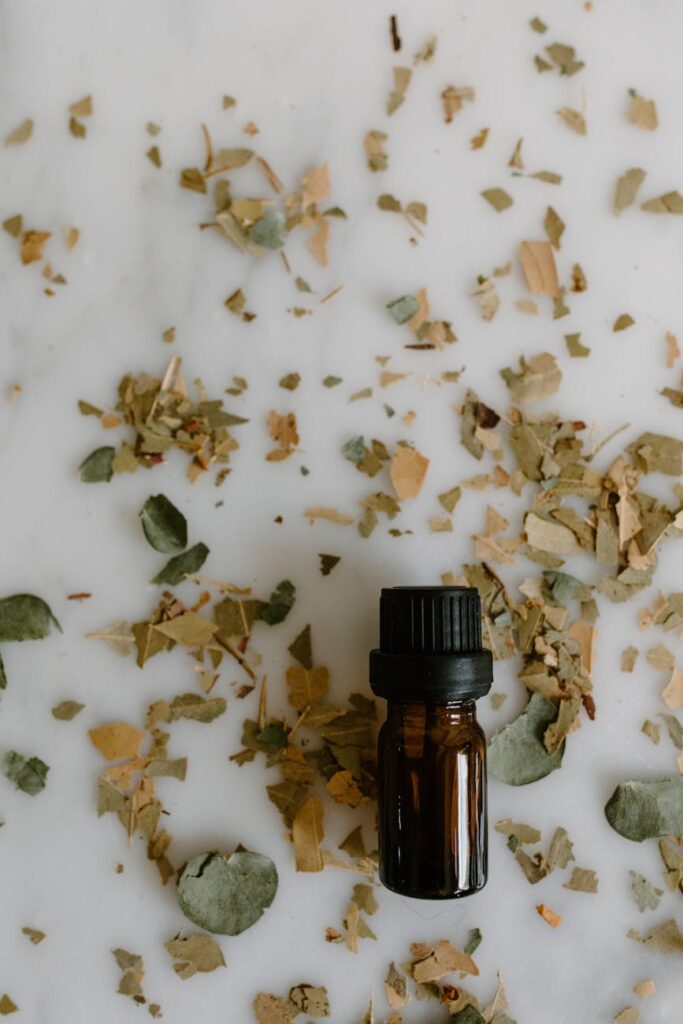
- Container: Store jasmine oil in a dark glass bottle to protect it from light, which can degrade the oil.
- Temperature: Keep it in a cool, dry place away from direct sunlight and heat sources.
- Shelf Life: When stored properly, jasmine oil can last for approximately 1-2 years. However, always check for changes in smell, color, or consistency before use.
Aromatherapy Applications
1. Jasmine Sleep Diffuser Blend
Ingredients:
Instructions:
1. Add the essential oils to your diffuser’s water reservoir.
2. Turn on the diffuser 30 minutes before bedtime to create a calming atmosphere.
2. Calming Jasmine Massage Oil
Ingredients:
Instructions:
1. In a small bottle, combine the carrier oil with jasmine and lavender oils.
2. Shake well to mix.
3. Use the oil for a calming massage before bedtime, focusing on the neck, shoulders, and back.
3. Jasmine Bath Soak
Ingredients:
Instructions:
1. In a bowl, mix Epsom salts with jasmine and chamomile oils.
2. Add dried jasmine flowers if desired.
3. Pour the mixture into a warm bath and soak for at least 20 minutes.
4. Jasmine Pillow Spray
Ingredients:
Instructions:
1. In a spray bottle, combine distilled water, jasmine oil, lavender oil, and witch hazel.
2. Shake well before each use and lightly mist your pillow and sheets before bedtime.
5. Jasmine-Infused Sleep Mask
Ingredients:
Instructions:
1. Place a few drops of jasmine oil on the inside of the sleep mask.
2. Allow the mask to air dry before using it to ensure the scent is not overwhelming.
Safety Considerations
While jasmine oil is generally considered safe for most individuals, certain precautions should be taken:
1. Dilution: Essential oils should always be diluted with a carrier oil before topical application to avoid skin irritation.
2. Allergic Reactions: Perform a patch test before using jasmine oil on the skin to ensure no allergic reactions occur.
3. Pregnancy and Nursing: Pregnant and nursing individuals should consult a healthcare professional before using jasmine oil.
4. Children: Use caution when applying jasmine oil around children. Always consult a pediatrician regarding the use of essential oils for children.
5. Storage: Store jasmine oil in a cool, dark place to maintain its potency and prevent degradation.
Storage and Shelf Life
Proper storage is essential for preserving the quality of jasmine oil. Here are some tips:
Frequently Asked Questions
1. Can jasmine oil be used directly on the skin?
No, jasmine oil should always be diluted with a carrier oil before applying it to the skin to prevent irritation.
2. Is jasmine oil safe for children?
Jasmine oil should be used with caution around children. Always consult a pediatrician before use.
3. Can jasmine oil replace sleep medication?
Jasmine oil is not a substitute for medical treatment or prescribed medications. Consult a healthcare professional for concerns regarding sleep issues.
4. How often can I use jasmine oil for sleep support?
You can use jasmine oil as needed, but it is advisable to incorporate it into a consistent bedtime routine for optimal effects.
5. Are there any contraindications for using jasmine oil?
Individuals with allergies to jasmine or related plants should avoid using jasmine oil. It is also advisable to consult a healthcare provider before using jasmine oil if you have existing medical conditions.
Conclusion
Jasmine oil offers a delightful and soothing approach to enhancing sleep quality through DIY aromatherapy recipes. By understanding its properties and benefits, individuals can create customized blends that cater to their sleep support needs. However, always remember to approach the use of essential oils with caution and mindfulness. Whether through diffusers, baths, or topical applications, jasmine oil can be a valuable addition to your bedtime routine, inviting tranquility and restful nights.