
Complete Guide to DIY Aromatherapy Recipes for Stress Relief with Rosemary Oil
Introduction
In our fast-paced world, the pursuit of relaxation and stress relief has become increasingly important. Aromatherapy, a holistic practice that utilizes essential oils, offers a natural approach to managing stress and enhancing emotional well-being. Among the myriad of essential oils available, rosemary oil stands out due to its invigorating scent and various therapeutic properties. This guide aims to provide a comprehensive understanding of DIY aromatherapy recipes for stress relief using rosemary oil, helping you harness its benefits through practical applications.
What Is DIY Aromatherapy Recipes for Stress Relief with Rosemary Oil?
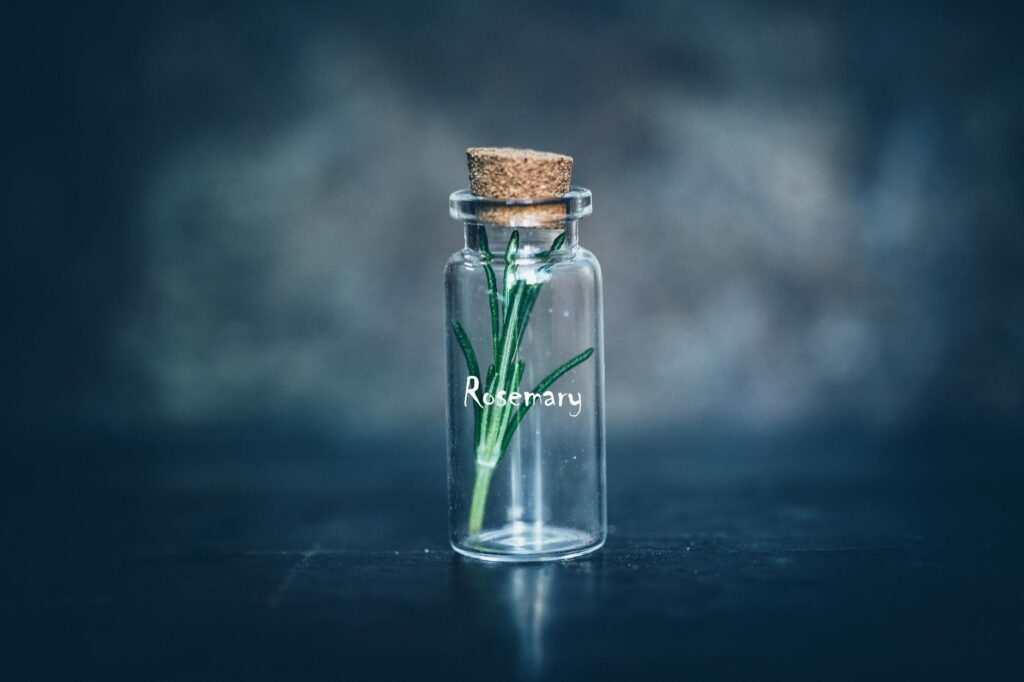
DIY aromatherapy involves creating your own blends and recipes using essential oils to promote relaxation and alleviate stress. By incorporating rosemary oil into your aromatherapy routine, you can tap into its unique properties. Rosemary (Rosmarinus officinalis) is an aromatic herb that has been revered for centuries for its culinary and medicinal uses. When used in aromatherapy, rosemary oil is believed to enhance mental clarity, uplift mood, and promote a sense of calm.
Key Benefits and Properties
Rosemary oil is characterized by its fresh, herbaceous aroma, which can invigorate the senses and stimulate the mind. Some key benefits and properties of rosemary oil include:
1. Cognitive Enhancement: Studies suggest that rosemary oil may improve concentration and memory, making it an excellent choice for those feeling mentally fatigued.
2. Mood Uplifting: The oil’s stimulating properties can help elevate mood and combat feelings of anxiety, making it a valuable ally in stress management.
3. Relaxation: Despite its invigorating scent, rosemary also possesses calming attributes that can aid in relaxation when used correctly.
4. Anti-Inflammatory Properties: Although not a substitute for medical treatment, rosemary is known for its anti-inflammatory qualities, which may contribute to overall well-being.
5. Antioxidant Effects: The oil contains compounds that may help protect the body from oxidative stress, further supporting general health.
Common Uses
Rosemary oil can be employed in various applications to promote stress relief, including:
- Diffusion: Using a diffuser to disperse the oil into the air.
- Topical Blends: Mixing with carrier oils for skin application.
- Bath Additives: Incorporating into bathwater for a soothing experience.
- Inhalation: Direct inhalation from the bottle or a cotton ball.
- 4 drops of rosemary oil
- 4 drops of lavender oil
- 2 tablespoons of carrier oil (e.g., almond or jojoba)
- 6 drops of rosemary oil
- 6 drops of eucalyptus oil (optional)
- 1 cup of Epsom salt
- 10 drops of rosemary oil
- 10 drops of lemon oil
- 1 cup of distilled water
- 1 tablespoon of vodka or rubbing alcohol (as an emulsifier)
- 3 drops of rosemary oil
- 3 drops of peppermint oil
- Dilution: Always dilute essential oils with a carrier oil when applying to the skin to prevent irritation.
- Patch Test: Conduct a patch test before using a new oil to check for allergic reactions.
- Pregnancy and Medical Conditions: Pregnant individuals or those with specific health conditions should consult a healthcare professional before using essential oils.
- Not for Ingestion: Essential oils should not be ingested unless under the guidance of a qualified professional.
- Keep Away from Eyes: Avoid contact with eyes and sensitive areas.
- Store in Dark Glass Containers: Essential oils should be kept in amber or cobalt blue glass bottles to protect them from light.
- Cool, Dark Place: Keep oils in a cool, dark environment to prevent degradation.
- Shelf Life: Generally, essential oils can last from 1 to 3 years, depending on the oil and storage conditions. Rosemary oil typically lasts about 3 to 4 years.
Each method can provide unique benefits, allowing individuals to choose the best approach for their needs.
Aromatherapy Applications
1. Rosemary and Lavender Calming Blend
Ingredients:
Instructions:
1. In a small glass container, combine the oils.
2. Mix well and store in a dark glass bottle.
3. Apply to pulse points, such as wrists and behind the ears, as needed.
This blend combines the invigorating properties of rosemary with the calming effects of lavender, creating a balanced approach to stress relief.
2. Rosemary Aromatic Bath Soak
Ingredients:
Instructions:
1. In a bowl, mix the essential oils with Epsom salt.
2. Add to warm bathwater and stir to disperse.
3. Soak for at least 20 minutes while enjoying the aromatic experience.
The combination of warm water and essential oils creates a relaxing environment conducive to stress relief.
3. Cognitive Boosting Room Spray
Ingredients:
Instructions:
1. In a spray bottle, combine all ingredients.
2. Shake well before each use.
3. Spray in the room or onto linens for an uplifting atmosphere.
This room spray harnesses the cognitive-enhancing properties of rosemary and lemon, perfect for boosting focus during stressful tasks.
4. Stress-Relief Inhalation Method
Ingredients:
Instructions:
1. Add the oils to a bowl of hot water.
2. Lean over the bowl (keeping a safe distance) and cover your head with a towel.
3. Inhale the steam deeply for several minutes.
This method provides immediate relief and clarity, ideal for moments of acute stress.
Safety Considerations
While rosemary oil is generally considered safe, it is important to follow some basic safety precautions:
Storage and Shelf Life
Proper storage is crucial for maintaining the integrity of essential oils. To ensure longevity:
Frequently Asked Questions
1. Can rosemary oil be used in cooking?
While rosemary oil has culinary applications, it is essential to use only food-grade essential oils when cooking. However, for aromatherapy purposes, it is best to avoid ingestion.
2. How often can I use rosemary oil for stress relief?
You can use rosemary oil as often as needed; however, moderation is key. Consider using it in various applications throughout the day for optimal benefit.
3. Is rosemary oil safe for children?
Essential oils should be used with caution around children. Always consult a healthcare professional for guidance on safe usage and dilution for young ones.
4. What are the best carrier oils for mixing with rosemary oil?
Common carrier oils include sweet almond oil, jojoba oil, coconut oil, and grapeseed oil. Choose one based on your skin type and preference.
5. Can I mix rosemary oil with other essential oils?
Yes, rosemary oil blends well with many other essential oils, including lavender, lemon, peppermint, and eucalyptus, enhancing its stress-relieving properties.
Conclusion
DIY aromatherapy recipes using rosemary oil can serve as effective tools for stress relief, allowing individuals to engage in self-care through the use of nature’s gifts. With its unique properties and versatile applications, rosemary oil can be seamlessly incorporated into daily routines, enhancing both mental clarity and emotional balance. By understanding safe practices and exploring various recipes, anyone can unlock the calming potential of rosemary oil to foster a more relaxed and centered life.