
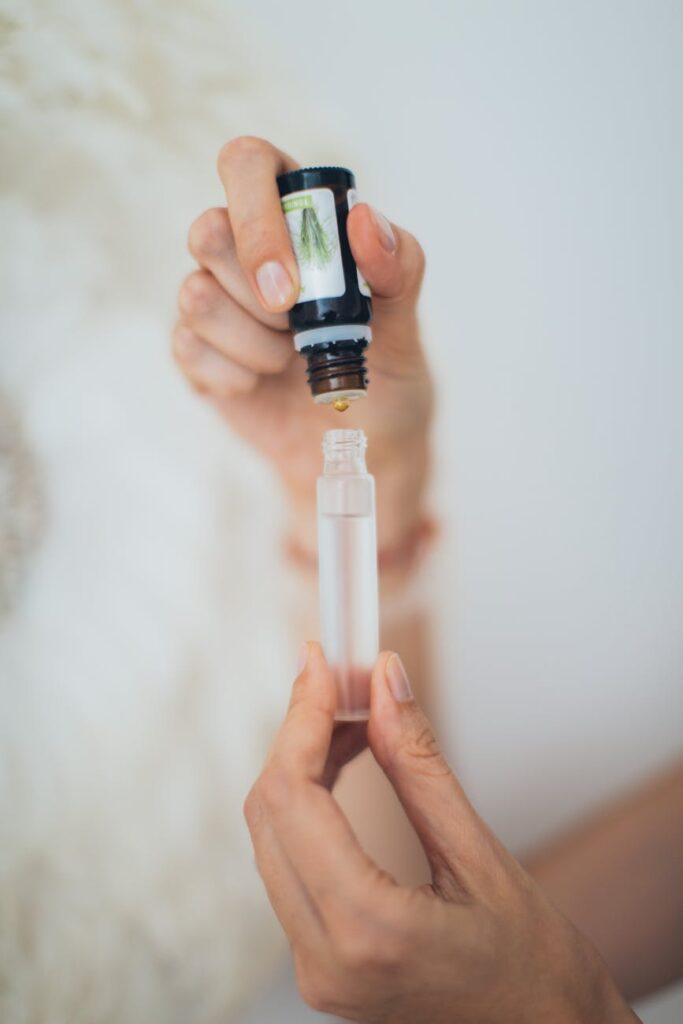
Complete Guide to DIY Aromatherapy Recipes for Stress Relief with Vetiver Oil
Introduction
In today’s fast-paced world, stress has become a common experience for many individuals. As people seek natural remedies to enhance their well-being, aromatherapy has gained popularity as an effective method for relaxation and stress relief. Among the various essential oils available, vetiver oil stands out for its grounding properties and calming aroma. This guide delves into the world of DIY aromatherapy recipes using vetiver oil, detailing its benefits, common uses, and practical applications.
What Is DIY Aromatherapy Recipes for Stress Relief with Vetiver Oil?
DIY aromatherapy recipes involve creating personalized blends of essential oils to promote relaxation and improve mental clarity. Vetiver oil, derived from the roots of the vetiver grass (Chrysopogon zizanioides), is renowned for its rich, earthy scent and therapeutic properties. This oil can be combined with other essential oils and carrier oils to create tailored blends that address individual stress-related concerns.
Key Benefits and Properties
Vetiver oil is celebrated for its numerous benefits, particularly in the realm of stress relief. Here are some key properties that make it a valuable asset in aromatherapy:
1. Calming Effect: The deep, woody aroma of vetiver oil is known to promote a sense of calm and relaxation. It can help alleviate feelings of anxiety and tension.
2. Grounding Properties: Vetiver is considered a grounding oil, making it an excellent choice for individuals feeling overwhelmed or scattered. Its scent can help re-establish emotional balance.
3. Sleep Aid: Many people use vetiver oil to aid sleep, as its calming properties can help reduce the mental chatter that often disrupts rest.
4. Anti-inflammatory and Antioxidant Properties: Vetiver oil has been noted for its potential anti-inflammatory and antioxidant benefits, contributing to overall wellness.
5. Mood Enhancement: The oil may help uplift mood and promote emotional stability, making it beneficial during times of stress or sadness.
Common Uses
Vetiver oil is versatile and can be used in various forms to achieve stress relief. Here are some common ways to incorporate vetiver oil into your daily routine:
1. Diffusion: Adding a few drops of vetiver oil to a diffuser can fill a room with its soothing scent, creating a calming atmosphere.
2. Topical Application: When diluted with a carrier oil, vetiver can be applied to pulse points, such as wrists or neck, to benefit from its calming effects throughout the day.
3. Bath Soak: Incorporating vetiver oil into a warm bath can provide a luxurious and relaxing experience, perfect for unwinding after a long day.
4. Inhalation: Simply inhaling the scent directly from the bottle or by placing a few drops on a cotton ball can provide immediate stress relief.
5. Massage Oil: Combining vetiver oil with a carrier oil, such as sweet almond or jojoba, can create a soothing massage oil to relieve tension in sore muscles.
Aromatherapy Applications
Here are some simple DIY aromatherapy recipes that incorporate vetiver oil for stress relief:
1. Relaxing Diffuser Blend
Ingredients:
- 3 drops vetiver oil
- 2 drops lavender oil
- 2 drops bergamot oil
- 5 drops vetiver oil
- 5 drops chamomile oil
- 2 tablespoons sweet almond oil (or another carrier oil)
- 5 drops vetiver oil
- 5 drops lavender oil
- 1 cup Epsom salt
- 2 drops vetiver oil
- 2 drops lavender oil
- 2 drops cedarwood oil
- 10 drops vetiver oil
- 5 drops sweet orange oil
- ½ cup distilled water
- ½ cup witch hazel or vodka
- Container: Keep vetiver oil in a dark glass bottle with a tight-sealing lid to protect it from light and air exposure.
- Temperature: Store in a cool location away from heat sources.
- Shelf Life: When stored correctly, vetiver oil can last between 3 to 5 years. However, always check for changes in aroma or consistency before use, as these may indicate degradation.
Instructions:
1. Add the essential oils to your diffuser.
2. Fill the diffuser with the recommended amount of water.
3. Turn it on and enjoy the calming aroma.
2. Calming Massage Oil
Ingredients:
Instructions:
1. In a small bottle, combine the essential oils with the carrier oil.
2. Shake gently to mix.
3. Use the blend for a soothing massage, focusing on areas of tension.
3. Stress-Relief Bath Soak
Ingredients:
Instructions:
1. In a bowl, mix the essential oils with Epsom salt.
2. Add the mixture to your warm bath water.
3. Soak for at least 20 minutes while breathing deeply.
4. Bedtime Inhaler
Ingredients:
Instructions:
1. Add the essential oils to a cotton inhaler.
2. Inhale deeply before bedtime to promote relaxation and sleep.
5. Instant Stress Relief Spray
Ingredients:
Instructions:
1. Combine all ingredients in a spray bottle.
2. Shake well before each use.
3. Spray around your space or on your pillow for a calming atmosphere.
Safety Considerations
While vetiver oil is generally safe for most individuals when used appropriately, it is essential to follow some safety guidelines:
1. Dilution: Always dilute vetiver oil with a carrier oil before applying it to the skin to avoid irritation.
2. Patch Test: Perform a patch test on a small area of skin to check for any allergic reactions before using it more broadly.
3. Pregnancy and Nursing: Consult with a healthcare professional before using essential oils during pregnancy or breastfeeding.
4. Avoid Direct Sunlight: Some essential oils can increase photosensitivity; while vetiver is less likely to do so, it is still advisable to avoid direct sunlight on treated skin.
5. Storage: Store vetiver oil in a cool, dark place to maintain its integrity and fragrance.
Storage and Shelf Life
Proper storage of vetiver oil enhances its shelf life and effectiveness. Follow these guidelines:
Frequently Asked Questions
1. Can vetiver oil be used in cooking?
Vetiver oil is not recommended for culinary use. It is intended for therapeutic applications and should not be ingested.
2. Is vetiver oil suitable for children?
While vetiver oil may be safe for older children when diluted properly, it is recommended to consult with a healthcare professional before use.
3. Can I mix vetiver oil with other essential oils?
Yes, vetiver oil blends well with various essential oils, including lavender, chamomile, and citrus oils. Experiment with different combinations to find a blend that suits your preferences.
4. How do I know if I am allergic to vetiver oil?
If you are concerned about allergies, conduct a patch test by diluting a small amount of vetiver oil with a carrier oil and applying it to a small area of skin. Wait 24 hours to see if any irritation occurs.
5. What should I do if I experience skin irritation from vetiver oil?
If irritation occurs, discontinue use immediately and wash the area with soap and water. If symptoms persist, consult a healthcare professional.
Conclusion
Vetiver oil is a remarkable essential oil that offers numerous benefits for stress relief and emotional well-being. By incorporating DIY aromatherapy recipes into your routine, you can create personalized blends that cater to your individual needs. Whether through diffusion, topical application, or relaxation rituals, vetiver oil can play a vital role in promoting tranquility and grounding amidst the chaos of everyday life. Embrace the calming power of vetiver and explore the world of aromatherapy for a more balanced and serene existence.